Focus on the BIG picture.
Friday, May 22, 2026
Outside the box.

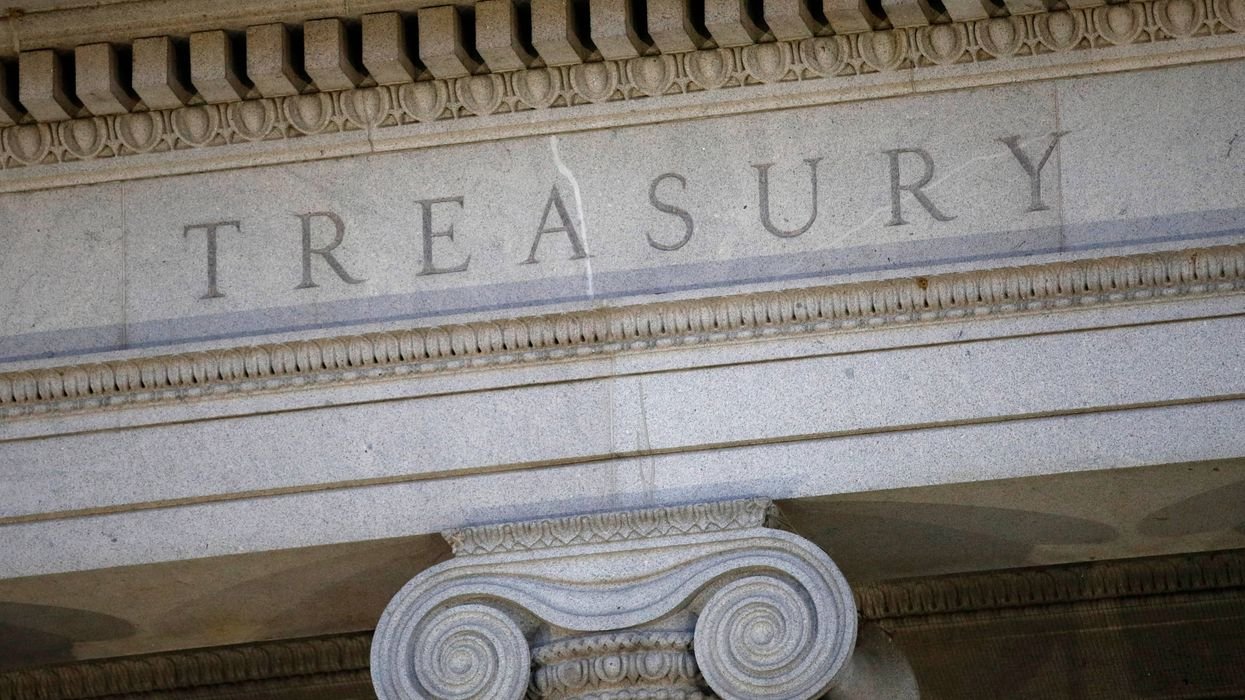
U.S. Expands Sanctions on Lebanese Officials Over Alleged Hezbollah Links, Tightening Pressure on Beirut’s Political System
New Treasury measures target lawmakers and security figures accused of enabling Hezbollah influence, deepening tensions between Washington and Lebanon’s fragile governing institutions
The United States is increasingly using targeted financial sanctions as a foreign policy instrument to constrain Hezbollah’s political and operational influence in Lebanon, a system-level approach that directly affects officials embedded within the country’s parliamentary and security structures.
What is confirmed is that the U.S. Treasury Department has imposed sanctions on multiple Lebanese political figures and security officials accused of facilitating or supporting Hezbollah, the Iran-backed armed group designated as a terrorist organization by the United States and several other countries.
The measures typically involve asset freezes under U.S. jurisdiction and restrictions on financial transactions involving American individuals or institutions.
Hezbollah operates both as a political party within Lebanon’s parliamentary system and as a heavily armed non-state military force, creating a hybrid structure that complicates governance and external diplomatic pressure.
The sanctioned individuals are alleged to have enabled Hezbollah’s influence within state institutions or provided material or political support that strengthens its position.
The mechanism of sanctions is financial rather than military.
Once designated, individuals are cut off from the U.S. financial system, and their international banking access can be severely restricted due to global compliance systems that often mirror U.S. regulatory decisions.
Even outside the United States, banks and businesses frequently avoid sanctioned individuals to reduce exposure risk.
The political implications in Lebanon are significant.
The country operates under a fragile sectarian power-sharing system in which Hezbollah maintains representation alongside rival political blocs.
Sanctions targeting elected lawmakers and security officials therefore intersect directly with domestic governance, raising tensions between sovereignty concerns and external pressure.
From Washington’s perspective, the measures are intended to disrupt networks that allow Hezbollah to maintain political legitimacy while sustaining its military capabilities.
U.S. officials have long argued that Hezbollah’s integration into Lebanese politics enables it to access state resources and shield parts of its infrastructure from accountability.
For Lebanon, however, the sanctions deepen an already severe institutional crisis.
The country continues to face economic instability, banking sector collapse, and political paralysis.
Additional external pressure on political figures risks further complicating efforts to form consensus governments or implement reforms required by international lenders.
The broader consequence is an escalation of financial-statecraft in a region where traditional diplomatic leverage is limited.
Rather than direct intervention, the United States is relying on economic exclusion tools to reshape political incentives inside Lebanon’s governing system, reinforcing a long-term strategy of isolating Hezbollah-linked influence within state institutions while maintaining formal diplomatic engagement with the Lebanese government.
What is confirmed is that the U.S. Treasury Department has imposed sanctions on multiple Lebanese political figures and security officials accused of facilitating or supporting Hezbollah, the Iran-backed armed group designated as a terrorist organization by the United States and several other countries.
The measures typically involve asset freezes under U.S. jurisdiction and restrictions on financial transactions involving American individuals or institutions.
Hezbollah operates both as a political party within Lebanon’s parliamentary system and as a heavily armed non-state military force, creating a hybrid structure that complicates governance and external diplomatic pressure.
The sanctioned individuals are alleged to have enabled Hezbollah’s influence within state institutions or provided material or political support that strengthens its position.
The mechanism of sanctions is financial rather than military.
Once designated, individuals are cut off from the U.S. financial system, and their international banking access can be severely restricted due to global compliance systems that often mirror U.S. regulatory decisions.
Even outside the United States, banks and businesses frequently avoid sanctioned individuals to reduce exposure risk.
The political implications in Lebanon are significant.
The country operates under a fragile sectarian power-sharing system in which Hezbollah maintains representation alongside rival political blocs.
Sanctions targeting elected lawmakers and security officials therefore intersect directly with domestic governance, raising tensions between sovereignty concerns and external pressure.
From Washington’s perspective, the measures are intended to disrupt networks that allow Hezbollah to maintain political legitimacy while sustaining its military capabilities.
U.S. officials have long argued that Hezbollah’s integration into Lebanese politics enables it to access state resources and shield parts of its infrastructure from accountability.
For Lebanon, however, the sanctions deepen an already severe institutional crisis.
The country continues to face economic instability, banking sector collapse, and political paralysis.
Additional external pressure on political figures risks further complicating efforts to form consensus governments or implement reforms required by international lenders.
The broader consequence is an escalation of financial-statecraft in a region where traditional diplomatic leverage is limited.
Rather than direct intervention, the United States is relying on economic exclusion tools to reshape political incentives inside Lebanon’s governing system, reinforcing a long-term strategy of isolating Hezbollah-linked influence within state institutions while maintaining formal diplomatic engagement with the Lebanese government.