Focus on the BIG picture.
Wednesday, Apr 22, 2026
Outside the box.

U.S. military drops annual flu vaccine mandate under Trump administration policy shift
Defense Secretary Pete Hegseth announces troops will no longer be required to receive yearly flu shots, framing the move as a restoration of personal autonomy
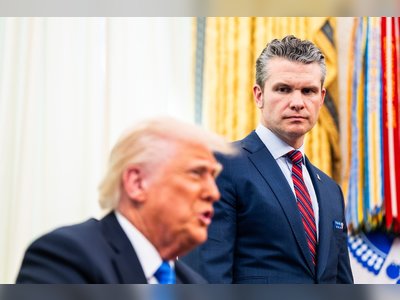
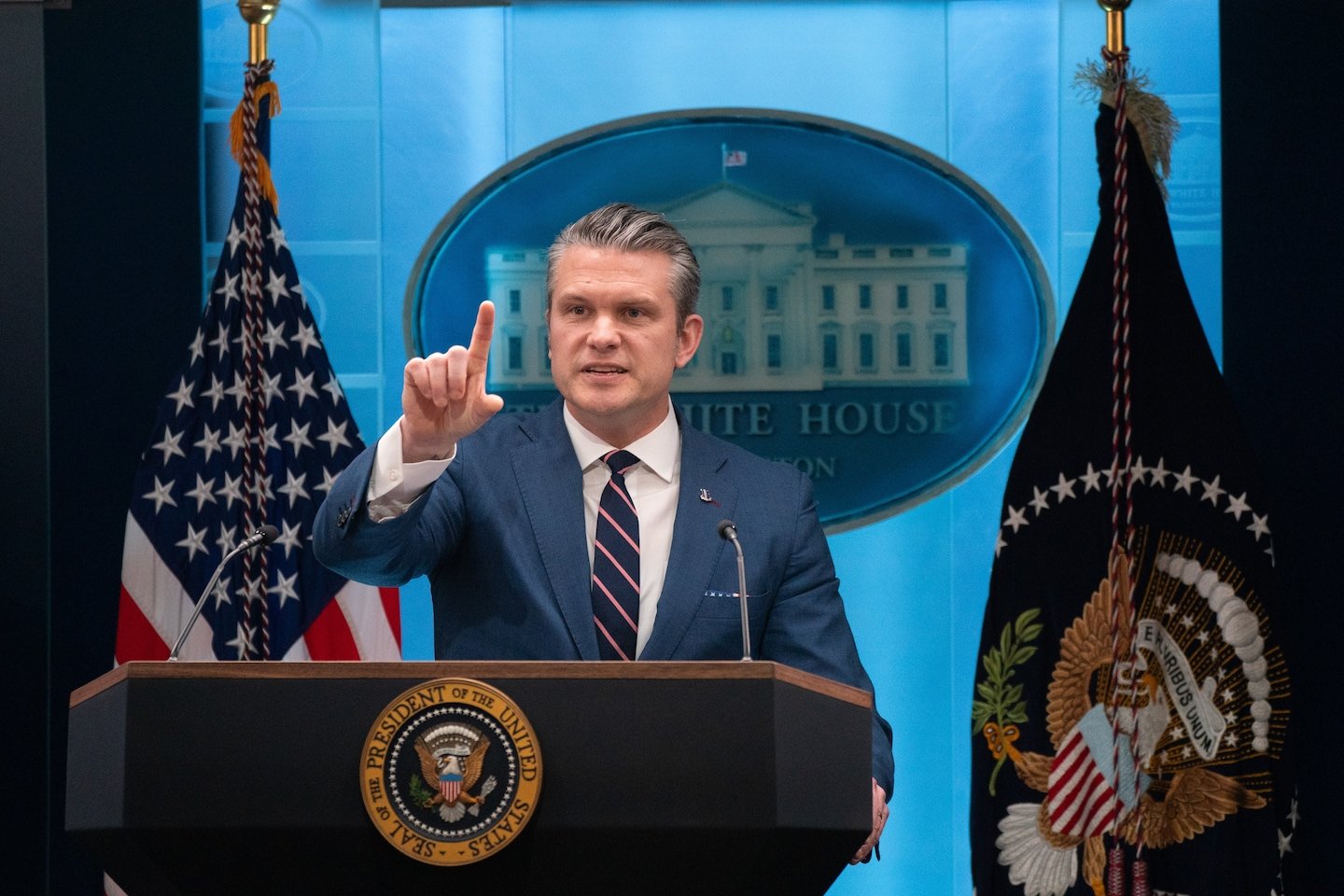
The United States military will no longer require service members to receive an annual flu vaccination, marking a significant policy change announced by Defense Secretary Pete Hegseth.
The decision was confirmed on Tuesday and applies across the armed forces, ending a long-standing requirement that had been in place for decades as part of routine force health protection measures.
Under the new policy, flu vaccination will remain available to service members, but it will no longer be mandatory.
Hegseth described the previous requirement as overly broad, arguing that a universal mandate for all personnel in all circumstances was not a rational approach.
He framed the change as part of a broader effort to restore what he called medical autonomy within the armed forces, emphasising that individual service members should be free to decide whether to receive the vaccine based on personal and medical considerations.
The policy shift follows earlier changes in U.S. military vaccine requirements, including the rollback of the COVID-19 vaccination mandate.
It also aligns with a wider federal reassessment of vaccine guidance in certain areas of public policy.
Military vaccination programmes have historically been considered a core component of force readiness, aimed at reducing outbreaks that could affect operational capability in tightly deployed environments.
Flu vaccines in particular have been used to limit seasonal illness-related disruptions across active-duty and reserve forces.
Officials have indicated that while the mandate has been removed, commanders retain limited authority to request continued requirements in specific circumstances, subject to review within the services.
The broader implementation of the policy is expected to proceed across active-duty personnel, reservists, and civilian employees within the defence structure.
The change comes as public health authorities continue to recommend annual influenza vaccination for the general population, particularly in environments where close-contact transmission is more likely.
Within the military context, however, the policy now places decision-making responsibility primarily at the individual level rather than the institutional level.
The decision was confirmed on Tuesday and applies across the armed forces, ending a long-standing requirement that had been in place for decades as part of routine force health protection measures.
Under the new policy, flu vaccination will remain available to service members, but it will no longer be mandatory.
Hegseth described the previous requirement as overly broad, arguing that a universal mandate for all personnel in all circumstances was not a rational approach.
He framed the change as part of a broader effort to restore what he called medical autonomy within the armed forces, emphasising that individual service members should be free to decide whether to receive the vaccine based on personal and medical considerations.
The policy shift follows earlier changes in U.S. military vaccine requirements, including the rollback of the COVID-19 vaccination mandate.
It also aligns with a wider federal reassessment of vaccine guidance in certain areas of public policy.
Military vaccination programmes have historically been considered a core component of force readiness, aimed at reducing outbreaks that could affect operational capability in tightly deployed environments.
Flu vaccines in particular have been used to limit seasonal illness-related disruptions across active-duty and reserve forces.
Officials have indicated that while the mandate has been removed, commanders retain limited authority to request continued requirements in specific circumstances, subject to review within the services.
The broader implementation of the policy is expected to proceed across active-duty personnel, reservists, and civilian employees within the defence structure.
The change comes as public health authorities continue to recommend annual influenza vaccination for the general population, particularly in environments where close-contact transmission is more likely.
Within the military context, however, the policy now places decision-making responsibility primarily at the individual level rather than the institutional level.