Focus on the BIG picture.
Wednesday, Apr 22, 2026
Outside the box.

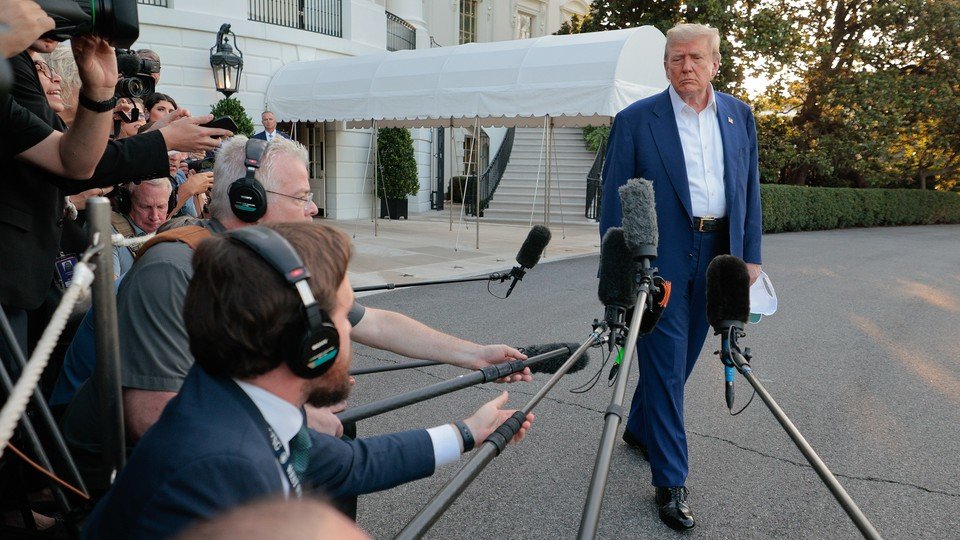
White House Correspondents’ Dinner draws backlash and awkward optics as Trump attendance reshapes tradition
The annual media gala faces heightened political tension, internal divisions, and criticism as President Trump prepares to attend for the first time in office
The White House Correspondents’ Dinner has taken on an unusually tense and politically charged atmosphere this year, with critics and supporters alike describing it as one of the most awkward editions in recent memory.
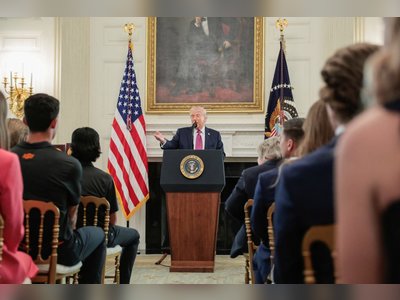
The annual gathering of journalists, political figures, and public officials—long intended to celebrate press freedom and Washington reporting—has been overshadowed by deep divisions over President Donald Trump’s decision to attend for the first time during his presidency.
Trump’s participation marks a notable departure from his previous boycotts of the event, and his presence has reshaped the tone and expectations surrounding the dinner.
The event is being held amid ongoing disputes between the administration and parts of the media establishment, including legal confrontations, access restrictions, and broader disagreements over press conduct and coverage.
Organisers have also shifted away from the traditional comedic format, instead featuring mentalist Oz Pearlman as the headline entertainment, a move intended to reduce overt political satire and create a less confrontational tone for the evening.
However, the change has done little to ease tensions, with some journalists and commentators calling the overall atmosphere strained and uncertain.
Additional controversy has emerged around the White House Correspondents’ Association itself, as internal and external criticism grows over how the organisation balances its role in defending press freedom with hosting an event attended by the sitting president.
A number of media figures have questioned participation, while others argue that the dinner remains an important symbolic platform for journalism in Washington.
The evening is also marked by broader debates over press independence and access, with recent policy disputes between the White House and news organisations contributing to a climate of mistrust.
Planned protests and symbolic gestures from attending journalists underscore the heightened sensitivity surrounding this year’s event.
Despite the divisions, the dinner continues to proceed as scheduled, maintaining its traditional role as a focal point of the Washington political and media calendar, albeit under circumstances that many observers describe as unusually strained and politically charged.
The annual gathering of journalists, political figures, and public officials—long intended to celebrate press freedom and Washington reporting—has been overshadowed by deep divisions over President Donald Trump’s decision to attend for the first time during his presidency.
Trump’s participation marks a notable departure from his previous boycotts of the event, and his presence has reshaped the tone and expectations surrounding the dinner.
The event is being held amid ongoing disputes between the administration and parts of the media establishment, including legal confrontations, access restrictions, and broader disagreements over press conduct and coverage.
Organisers have also shifted away from the traditional comedic format, instead featuring mentalist Oz Pearlman as the headline entertainment, a move intended to reduce overt political satire and create a less confrontational tone for the evening.
However, the change has done little to ease tensions, with some journalists and commentators calling the overall atmosphere strained and uncertain.
Additional controversy has emerged around the White House Correspondents’ Association itself, as internal and external criticism grows over how the organisation balances its role in defending press freedom with hosting an event attended by the sitting president.
A number of media figures have questioned participation, while others argue that the dinner remains an important symbolic platform for journalism in Washington.
The evening is also marked by broader debates over press independence and access, with recent policy disputes between the White House and news organisations contributing to a climate of mistrust.
Planned protests and symbolic gestures from attending journalists underscore the heightened sensitivity surrounding this year’s event.
Despite the divisions, the dinner continues to proceed as scheduled, maintaining its traditional role as a focal point of the Washington political and media calendar, albeit under circumstances that many observers describe as unusually strained and politically charged.