Focus on the BIG picture.
Wednesday, Mar 04, 2026
Outside the box.

Washington D.C. Begins Construction on Its Largest Office-to-Residential Conversion to Revitalise Downtown
The Geneva project breaks ground in Dupont Circle, transforming former offices into 532 homes as part of a major housing strategy
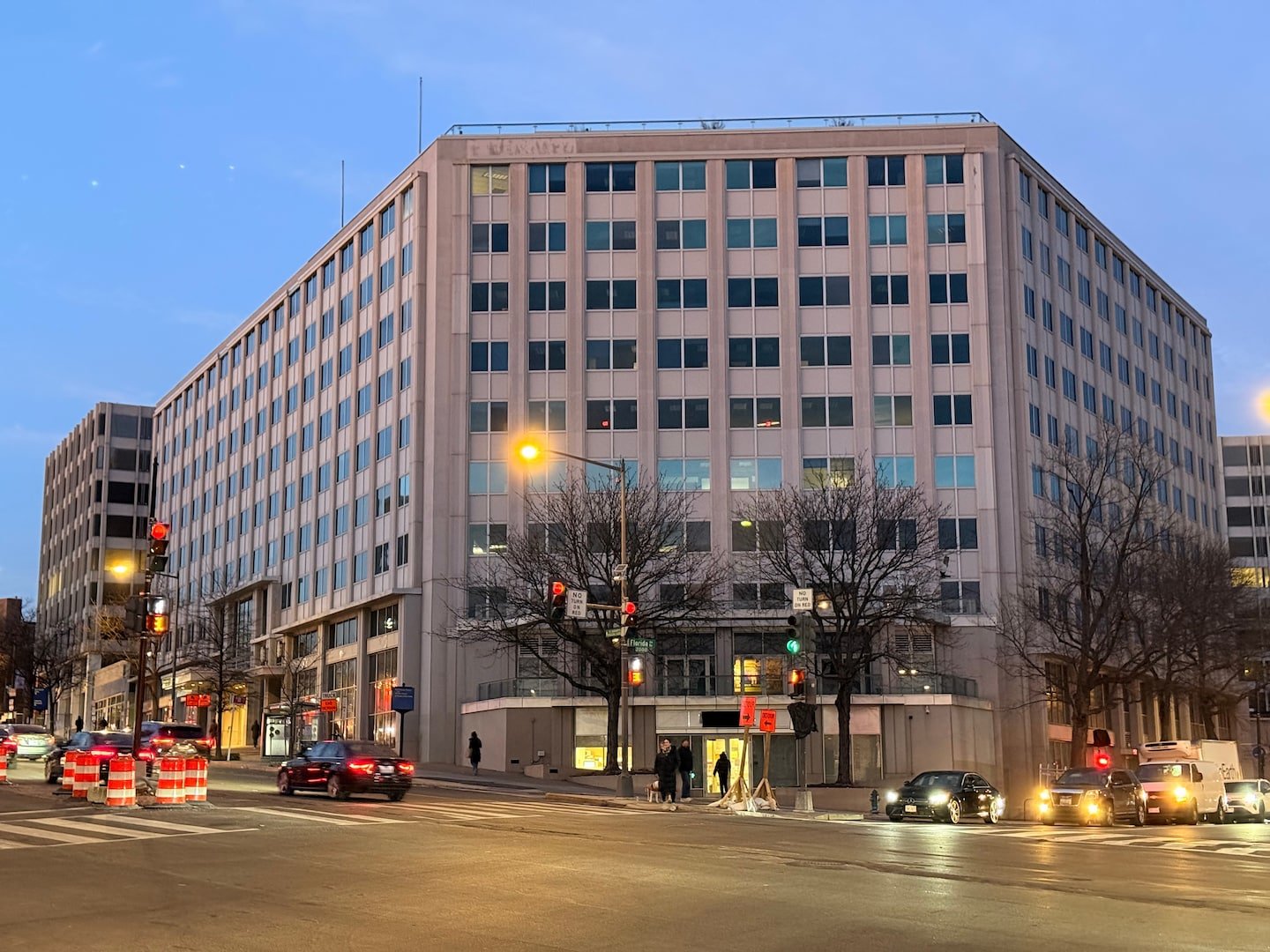
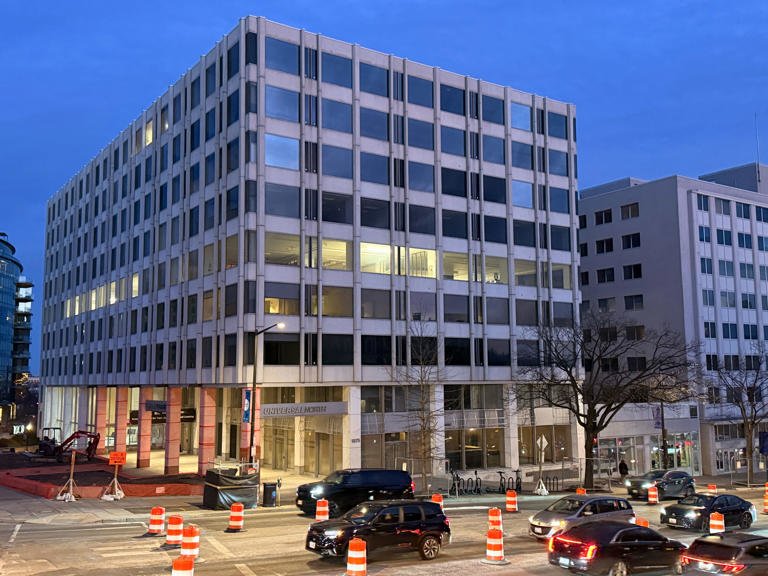
Construction has officially begun on The Geneva, Washington, D.C.’s largest office-to-residential conversion, marking a milestone in efforts to reinvigorate the city’s downtown and address vacancy challenges in a post-pandemic real estate landscape.
The project, located at 1825–1875 Connecticut Avenue NW in the Dupont Circle neighbourhood, will turn two former office towers into a 15-storey residential building comprising 532 apartments, including sixty units set aside as permanently affordable housing, alongside commercial ground-floor space.
The Geneva exemplifies the District’s “Housing in Downtown” strategy, which offers a twenty-year tax abatement to catalyse the repurposing of underutilised office buildings into homes and mixed-use developments, aiming to add thousands of new residents to the city’s core.
The total financing for the conversion includes a record-setting four hundred and sixty-five million dollars in Commercial Property Assessed Clean Energy financing and a one hundred and ten million-dollar senior loan, creating a roughly five hundred and seventy-five million-dollar investment in the site.
City leaders, including Mayor Muriel Bowser and Deputy Mayor for Planning and Economic Development Nina Albert, framed the project as part of a broader economic revival strategy that pairs housing growth with efforts to stabilise the commercial property market and attract businesses and amenities back to downtown.
Since the initiative’s launch, similar conversions have delivered nearly two thousand residential units and hundreds of hotel rooms, with dozens more projects in the planning or construction pipeline that could add thousands more homes over the coming years.
Officials acknowledge technical challenges inherent in adapting office buildings — such as reconfiguring floor plates, plumbing and lighting — but have emphasised that growing residential demand and strong public-private collaboration are key to unlocking new neighbourhood life in areas once dominated by empty office space.
The project, located at 1825–1875 Connecticut Avenue NW in the Dupont Circle neighbourhood, will turn two former office towers into a 15-storey residential building comprising 532 apartments, including sixty units set aside as permanently affordable housing, alongside commercial ground-floor space.
The Geneva exemplifies the District’s “Housing in Downtown” strategy, which offers a twenty-year tax abatement to catalyse the repurposing of underutilised office buildings into homes and mixed-use developments, aiming to add thousands of new residents to the city’s core.
The total financing for the conversion includes a record-setting four hundred and sixty-five million dollars in Commercial Property Assessed Clean Energy financing and a one hundred and ten million-dollar senior loan, creating a roughly five hundred and seventy-five million-dollar investment in the site.
City leaders, including Mayor Muriel Bowser and Deputy Mayor for Planning and Economic Development Nina Albert, framed the project as part of a broader economic revival strategy that pairs housing growth with efforts to stabilise the commercial property market and attract businesses and amenities back to downtown.
Since the initiative’s launch, similar conversions have delivered nearly two thousand residential units and hundreds of hotel rooms, with dozens more projects in the planning or construction pipeline that could add thousands more homes over the coming years.
Officials acknowledge technical challenges inherent in adapting office buildings — such as reconfiguring floor plates, plumbing and lighting — but have emphasised that growing residential demand and strong public-private collaboration are key to unlocking new neighbourhood life in areas once dominated by empty office space.