Focus on the BIG picture.
Saturday, Apr 04, 2026
Outside the box.

0:00
0:00
Washington House Approves Bill Allowing State Commission to Remove Elected Sheriffs
Legislation expanding oversight of county sheriffs advances after intense debate over accountability and voters’ authority
Lawmakers in Washington state have approved legislation granting a state oversight body the power to remove elected county sheriffs under certain circumstances, advancing a proposal that has sparked significant debate over law-enforcement accountability and the authority of voters.
The measure, known as Senate Bill 5974, cleared the Washington House after previously passing the state Senate.
If enacted into law, the bill would allow the Washington State Criminal Justice Training Commission to remove a sitting sheriff from office if the official loses their certification as a peace officer.
The commission already has authority to decertify law-enforcement officers for misconduct; the new legislation would extend that process to elected sheriffs by requiring their removal if certification is revoked.
Supporters say the legislation is designed to modernize decades-old rules governing law-enforcement leadership and ensure that sheriffs meet the same professional standards required of other officers.
Backers argue that individuals responsible for enforcing state law must also remain subject to oversight and professional accountability mechanisms.
Under the proposal, candidates running for sheriff would also need to meet clearer eligibility requirements, including background checks, a minimum level of law-enforcement experience and the absence of certain criminal convictions.
Proponents say the changes would strengthen public confidence in local policing and bring sheriffs into alignment with standards already applied to other law-enforcement leaders.
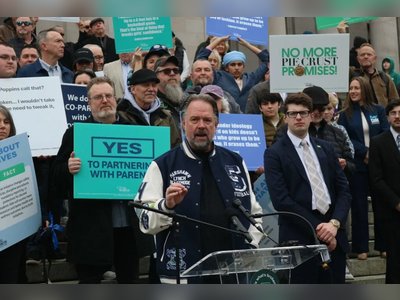
The legislation has drawn strong opposition from some lawmakers, law-enforcement groups and county officials who argue that it could weaken the authority of voters to choose their own sheriff.
Critics contend that allowing a state-appointed board to remove an elected official risks shifting power away from local communities and toward state institutions.
Washington currently elects sheriffs in thirty-eight of its thirty-nine counties, with King County being the only jurisdiction that appoints its sheriff.
Because of the prominence of the role in local government, the proposed oversight mechanism has prompted broader questions about how to balance state-level accountability with local democratic control.
The bill’s supporters maintain that removal would occur only in limited circumstances, specifically when a sheriff is found to have violated professional standards serious enough to result in decertification.
Opponents remain concerned that the change could create a precedent for removing other elected officials through administrative processes.
With approval in both legislative chambers, the measure now moves toward the next stage of the legislative process as policymakers continue to debate how best to ensure accountability for senior law-enforcement officials while preserving the authority of voters in local elections.
The measure, known as Senate Bill 5974, cleared the Washington House after previously passing the state Senate.
If enacted into law, the bill would allow the Washington State Criminal Justice Training Commission to remove a sitting sheriff from office if the official loses their certification as a peace officer.
The commission already has authority to decertify law-enforcement officers for misconduct; the new legislation would extend that process to elected sheriffs by requiring their removal if certification is revoked.
Supporters say the legislation is designed to modernize decades-old rules governing law-enforcement leadership and ensure that sheriffs meet the same professional standards required of other officers.
Backers argue that individuals responsible for enforcing state law must also remain subject to oversight and professional accountability mechanisms.
Under the proposal, candidates running for sheriff would also need to meet clearer eligibility requirements, including background checks, a minimum level of law-enforcement experience and the absence of certain criminal convictions.
Proponents say the changes would strengthen public confidence in local policing and bring sheriffs into alignment with standards already applied to other law-enforcement leaders.
The legislation has drawn strong opposition from some lawmakers, law-enforcement groups and county officials who argue that it could weaken the authority of voters to choose their own sheriff.
Critics contend that allowing a state-appointed board to remove an elected official risks shifting power away from local communities and toward state institutions.
Washington currently elects sheriffs in thirty-eight of its thirty-nine counties, with King County being the only jurisdiction that appoints its sheriff.
Because of the prominence of the role in local government, the proposed oversight mechanism has prompted broader questions about how to balance state-level accountability with local democratic control.
The bill’s supporters maintain that removal would occur only in limited circumstances, specifically when a sheriff is found to have violated professional standards serious enough to result in decertification.
Opponents remain concerned that the change could create a precedent for removing other elected officials through administrative processes.
With approval in both legislative chambers, the measure now moves toward the next stage of the legislative process as policymakers continue to debate how best to ensure accountability for senior law-enforcement officials while preserving the authority of voters in local elections.