Focus on the BIG picture.
Wednesday, Mar 04, 2026
Outside the box.


Washington Lawmakers Reopen Debate on Taxing Short-Term Rentals Such as Airbnb
Proposals would impose new statewide levies on vacation rentals as legislators seek housing affordability and revenue solutions
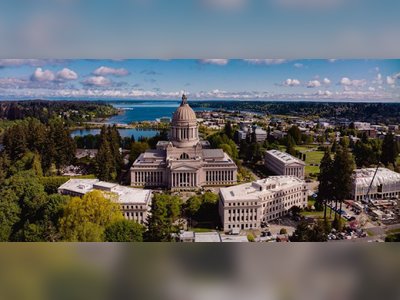
Washington state lawmakers have revived discussions over imposing a new tax on short-term rentals such as Airbnb and Vrbo, reopening a debate that has surfaced repeatedly as housing affordability pressures intensify.
The renewed talks focus on whether a statewide tax framework should apply to vacation rentals, which currently face a patchwork of local rules and taxes, while long-term housing shortages persist across urban and rural communities alike.
Supporters of the proposal argue that short-term rentals remove housing units from the long-term market, particularly in tourist destinations and growing cities, and that additional taxation could both discourage over-concentration and generate funds for affordable housing initiatives.
Lawmakers backing the measure say revenue could be directed toward housing construction, homelessness services and infrastructure that supports residential development.
Opponents, including property owners and some local governments, caution that a statewide tax could hurt small operators, reduce tourism income and interfere with local control, noting that many hosts rely on short-term rentals as supplemental income.
The current discussions are occurring ahead of the next legislative session, with proposals still in draft form and no final bill language introduced.
Previous efforts to enact a statewide tax stalled amid disagreements over revenue distribution and concerns about unintended economic impacts.
As housing costs continue to rise and lawmakers search for new funding sources, the future of short-term rental taxation remains an open question, with stakeholders from across the state closely watching whether the renewed debate will translate into concrete legislative action.
The renewed talks focus on whether a statewide tax framework should apply to vacation rentals, which currently face a patchwork of local rules and taxes, while long-term housing shortages persist across urban and rural communities alike.
Supporters of the proposal argue that short-term rentals remove housing units from the long-term market, particularly in tourist destinations and growing cities, and that additional taxation could both discourage over-concentration and generate funds for affordable housing initiatives.
Lawmakers backing the measure say revenue could be directed toward housing construction, homelessness services and infrastructure that supports residential development.
Opponents, including property owners and some local governments, caution that a statewide tax could hurt small operators, reduce tourism income and interfere with local control, noting that many hosts rely on short-term rentals as supplemental income.
The current discussions are occurring ahead of the next legislative session, with proposals still in draft form and no final bill language introduced.
Previous efforts to enact a statewide tax stalled amid disagreements over revenue distribution and concerns about unintended economic impacts.
As housing costs continue to rise and lawmakers search for new funding sources, the future of short-term rental taxation remains an open question, with stakeholders from across the state closely watching whether the renewed debate will translate into concrete legislative action.