Focus on the BIG picture.
Friday, Apr 17, 2026
Outside the box.

Washington National Opera’s Historic Break With Kennedy Center Amid Leadership and Financial Strains
Longstanding cultural partnership ends as the opera company moves toward independence and alternative venues
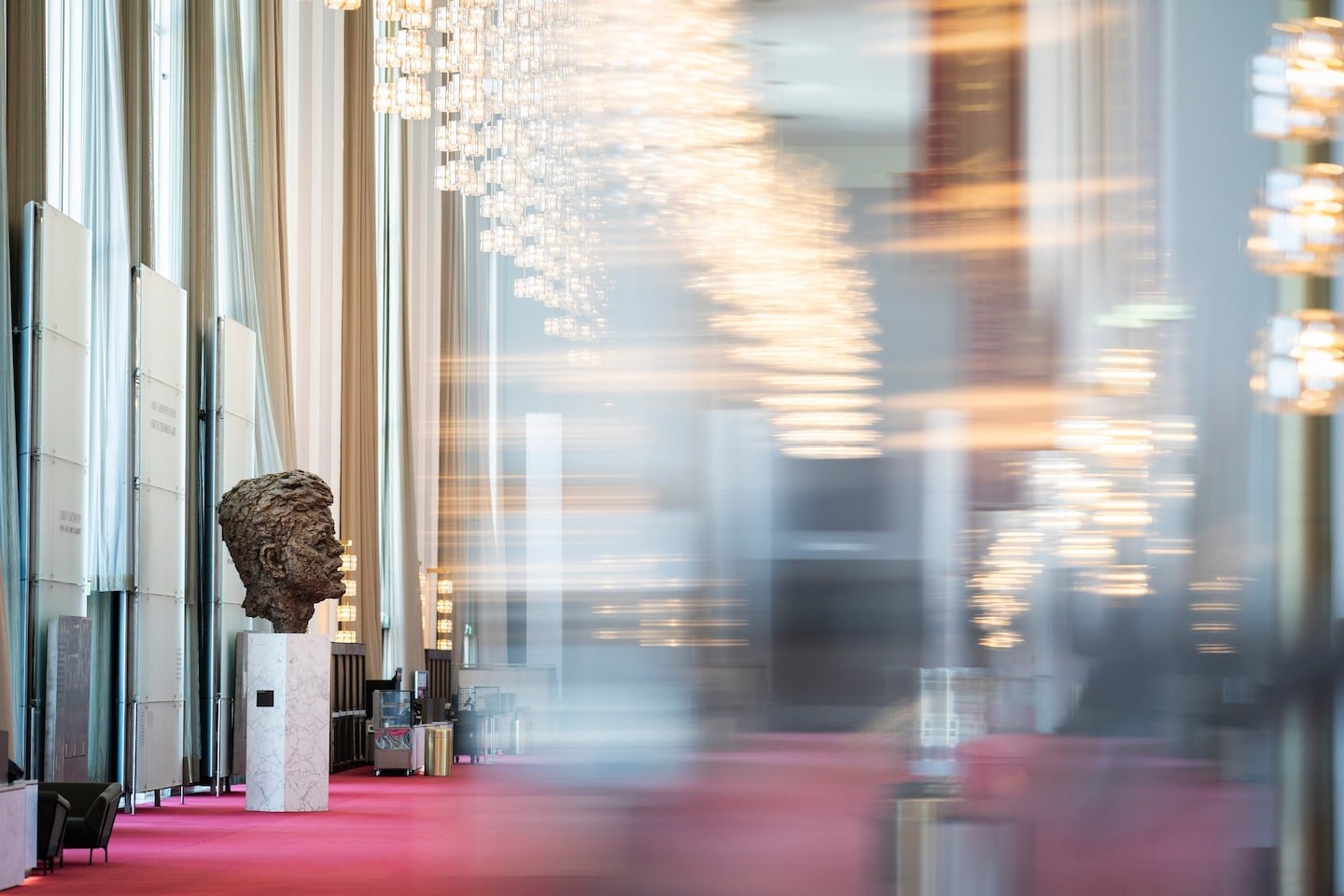
Washington National Opera has formally announced its departure from the John F. Kennedy Center for the Performing Arts after more than five decades, marking a profound shift in the nation’s cultural landscape as leadership and financial disputes reshape one of America’s premier institutions.
The opera company’s board voted in early January to seek an early termination of its affiliation agreement with the Kennedy Center, ending a relationship that had existed since 1971. The decision stemmed from longstanding concerns about financial sustainability under the center’s new business model, which the opera said required productions to be fully funded in advance, a practice incompatible with the way opera companies typically budget through a mix of grants, donations and ticket revenue.
The company said this model would make it difficult to balance its books and maintain artistic programming.
Artistic director Francesca Zambello described the decision as difficult and expressed sadness at leaving the historical venue, but emphasised the organisation’s commitment to its mission and artistic vision as it transitions toward operating independently.
The WNO plans to reduce its spring season and relocate performances to new venues, including staging works such as "Treemonisha" and "The Crucible" at George Washington University’s Lisner Auditorium, which offers an interim home while the company adjusts to life outside the Kennedy Center’s Opera House.
The split comes amid broader upheaval at the Kennedy Center, which underwent substantive leadership changes after President Donald Trump took over the board and installed loyalists, leading to renaming the institution and significant programming and revenue shifts.
A series of artist cancellations and decreased donor support followed, adding pressure to the centre’s financial and cultural standing.
The Kennedy Center has framed the separation as a necessary decision to protect its long-term stability and enable it to diversify its offerings, while opera leadership cited economic realities and the imperative to safeguard its own operational model.
Legal and logistical negotiations remain under way to ensure transfer of assets, including the opera’s endowment and rehearsal spaces, as WNO prepares for its independent future.
Although the company faces challenges in securing a permanent performance venue and rebuilding donor networks, its leaders assert that independence will enable greater artistic flexibility and financial autonomy beyond the constraints encountered within the Kennedy Center’s framework.
The split highlights the evolving dynamics between major cultural organisations and institutional governance, economic pressures in the performing arts sector and the broader impacts of leadership decisions on artistic communities, audiences and Washington’s cultural identity.
The opera company’s board voted in early January to seek an early termination of its affiliation agreement with the Kennedy Center, ending a relationship that had existed since 1971. The decision stemmed from longstanding concerns about financial sustainability under the center’s new business model, which the opera said required productions to be fully funded in advance, a practice incompatible with the way opera companies typically budget through a mix of grants, donations and ticket revenue.
The company said this model would make it difficult to balance its books and maintain artistic programming.
Artistic director Francesca Zambello described the decision as difficult and expressed sadness at leaving the historical venue, but emphasised the organisation’s commitment to its mission and artistic vision as it transitions toward operating independently.
The WNO plans to reduce its spring season and relocate performances to new venues, including staging works such as "Treemonisha" and "The Crucible" at George Washington University’s Lisner Auditorium, which offers an interim home while the company adjusts to life outside the Kennedy Center’s Opera House.
The split comes amid broader upheaval at the Kennedy Center, which underwent substantive leadership changes after President Donald Trump took over the board and installed loyalists, leading to renaming the institution and significant programming and revenue shifts.
A series of artist cancellations and decreased donor support followed, adding pressure to the centre’s financial and cultural standing.
The Kennedy Center has framed the separation as a necessary decision to protect its long-term stability and enable it to diversify its offerings, while opera leadership cited economic realities and the imperative to safeguard its own operational model.
Legal and logistical negotiations remain under way to ensure transfer of assets, including the opera’s endowment and rehearsal spaces, as WNO prepares for its independent future.
Although the company faces challenges in securing a permanent performance venue and rebuilding donor networks, its leaders assert that independence will enable greater artistic flexibility and financial autonomy beyond the constraints encountered within the Kennedy Center’s framework.
The split highlights the evolving dynamics between major cultural organisations and institutional governance, economic pressures in the performing arts sector and the broader impacts of leadership decisions on artistic communities, audiences and Washington’s cultural identity.