
Focus on the BIG picture.
Saturday, Oct 24, 2026
Outside the box.

Washington State Commerce Invests $54.5 Million in Affordable Housing Projects Across the State
New grants will support infrastructure and development for nearly five thousand affordable homes in diverse communities
The Washington State Department of Commerce announced a $54.5 million investment on Tuesday aimed at expanding affordable housing throughout the state, a move designed to address persistent shortages and rising housing costs.
The funding, distributed as competitive grants, will support seventy projects in twenty-two counties from Vancouver in the south to Spokane in the east, helping create an estimated 4,517 new affordable housing units for low- and moderate-income residents.
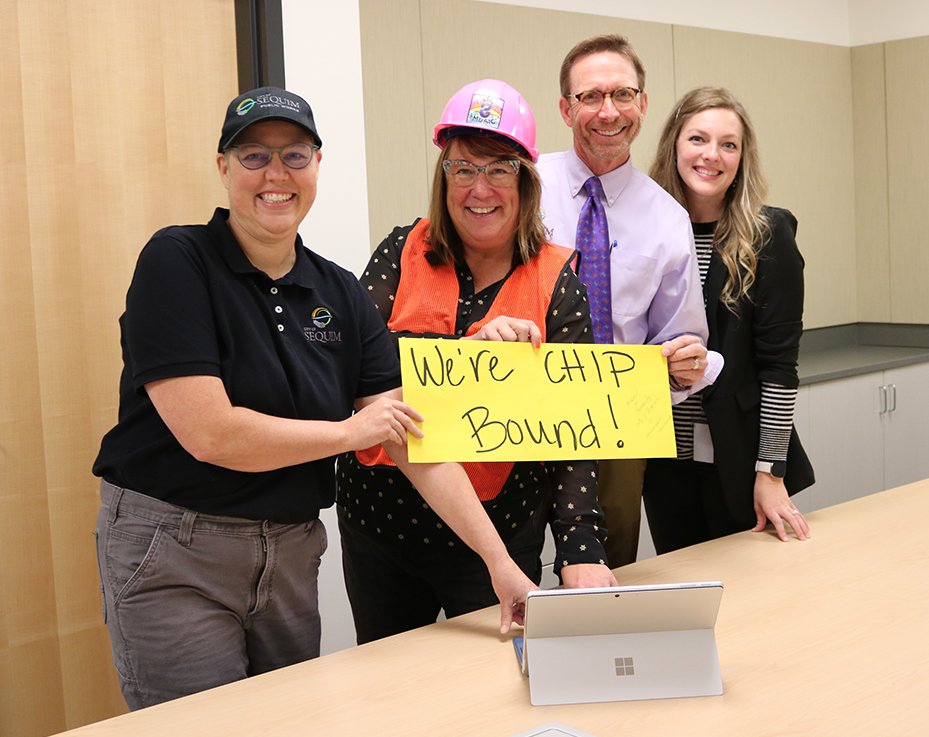
As part of the Connecting Housing to Infrastructure Program, known as CHIP, grants of up to one million dollars have been awarded to local governments and housing partners to subsidise essential infrastructure such as water and sewer connections that often stall development and inflate costs.
Projects receiving awards include a mix of senior housing, transit-oriented development and new multifamily units, with specific allocations for communities in Everett, Marysville and Lynnwood among others.
A pilot component of the current funding round also directs approximately five million dollars toward moderate-income housing in Chelan, Douglas and Okanogan counties, broadening eligibility to households earning up to the state median income.
Governor Bob Ferguson, who has prioritised housing affordability since taking office, described the investment as an urgent and strategic response to the state’s housing crisis, emphasising the need to expand supply and reduce barriers to construction.
Interim Commerce Director Sarah Clifthorne said linking infrastructure financing directly to housing development will “reduce upfront costs, accelerate construction timelines and enable jurisdictions across Washington to support the development of more affordable housing for the people who need it most.” Many of the projects funded under this round also aim to strengthen local capacity for long-term housing production while advancing broader state goals for equity and community stability as demand for affordable homes continues to outpace supply across Washington.
The funding, distributed as competitive grants, will support seventy projects in twenty-two counties from Vancouver in the south to Spokane in the east, helping create an estimated 4,517 new affordable housing units for low- and moderate-income residents.
As part of the Connecting Housing to Infrastructure Program, known as CHIP, grants of up to one million dollars have been awarded to local governments and housing partners to subsidise essential infrastructure such as water and sewer connections that often stall development and inflate costs.
Projects receiving awards include a mix of senior housing, transit-oriented development and new multifamily units, with specific allocations for communities in Everett, Marysville and Lynnwood among others.
A pilot component of the current funding round also directs approximately five million dollars toward moderate-income housing in Chelan, Douglas and Okanogan counties, broadening eligibility to households earning up to the state median income.
Governor Bob Ferguson, who has prioritised housing affordability since taking office, described the investment as an urgent and strategic response to the state’s housing crisis, emphasising the need to expand supply and reduce barriers to construction.
Interim Commerce Director Sarah Clifthorne said linking infrastructure financing directly to housing development will “reduce upfront costs, accelerate construction timelines and enable jurisdictions across Washington to support the development of more affordable housing for the people who need it most.” Many of the projects funded under this round also aim to strengthen local capacity for long-term housing production while advancing broader state goals for equity and community stability as demand for affordable homes continues to outpace supply across Washington.