Focus on the BIG picture.
Thursday, Apr 16, 2026
Outside the box.

White House Anticipates Significant GOP Defections Ahead of House Vote on Canadian Tariffs
Administration braces for divisions within Republican ranks as lawmakers prepare to vote on resolution to rescind Biden-era tariffs on Canada
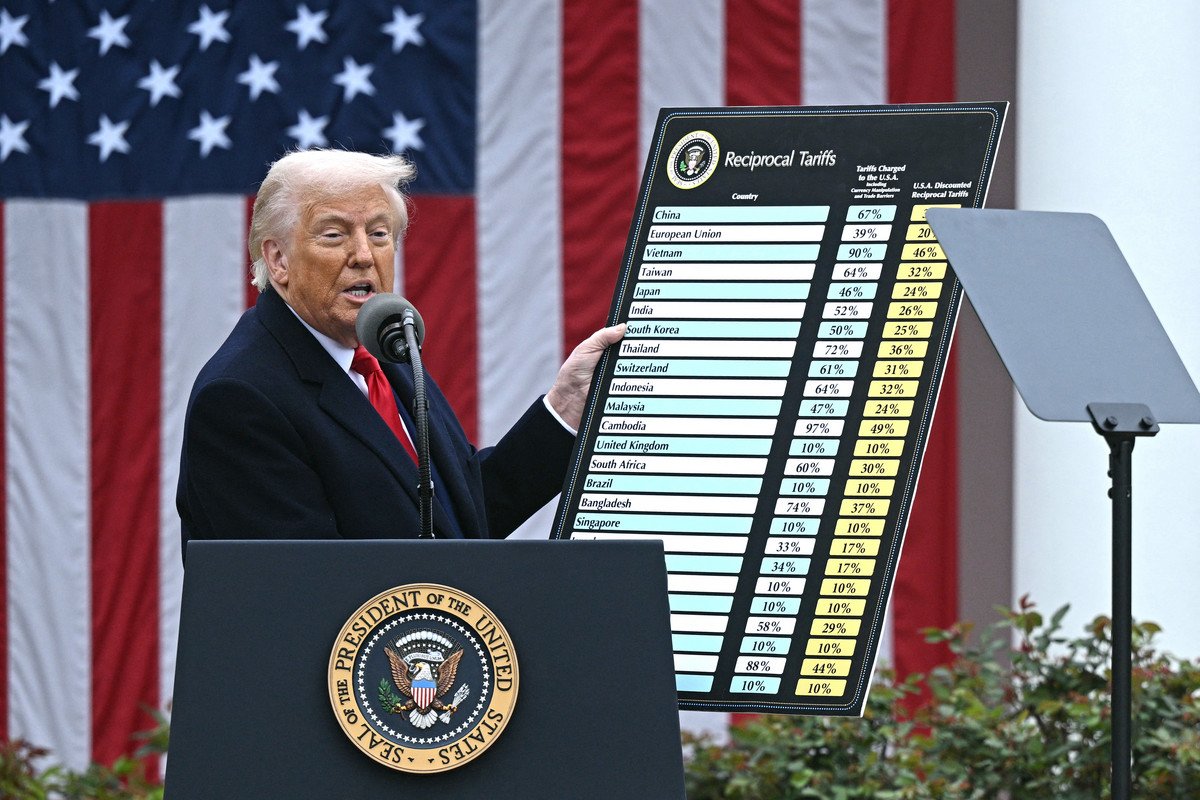
The White House is expecting a notable number of Republican lawmakers to break with party leadership as the U.S. House of Representatives prepares to vote on a resolution to rescind President Trump’s tariffs on imports from Canada, reflecting growing unease within the GOP about the impact of the trade measures.
Officials in the administration have signalled that rather than trying to prevent party members from diverging, their priority is ensuring sufficient support remains to sustain the president’s authority, including the ability to defend against a potential congressional override of a presidential veto should the resolution pass.
The tariffs, imposed under an emergency declaration citing cross-border concerns, have been widely criticised for raising costs for U.S. consumers and complicating relations with one of America’s largest trading partners.
House Republican leaders, already weakened by narrow majorities and internal disagreements, are confronting heightened pressure from members representing agricultural and manufacturing districts that have borne the brunt of retaliatory levies and increased costs tied to the tariff regime.
These lawmakers have expressed concerns that prolonged duties on Canadian goods threaten both domestic jobs and key supply chains.
This internal pushback follows a procedural defeat on Tuesday, in which a rule designed to block consideration of resolutions to overturn tariffs failed after three Republicans joined all House Democrats in opposition, underscoring fractures within the GOP ranks.
The forthcoming vote, expected as early as Wednesday, marks a rare moment in which Republican lawmakers will have to publicly register their stance on a core element of the president’s economic agenda.
Democratic leaders have seized on Republican dissent to build momentum for a successful challenge to the tariff policy, arguing that Congress has an Article I constitutional role in setting trade policy and that the tariffs have harmed American families through higher prices.
The White House’s candid acknowledgement of anticipated defections signals a shift in strategy.
Rather than focusing on strictly enforcing party discipline, officials are now engaged in a delicate balancing act — aiming to limit the damage to the administration’s broader economic objectives while still defending the principle of executive trade authority.
Even if the House passes the resolution, the measure is likely to face a presidential veto, and any attempt to override would require a two-thirds majority that remains politically distant.
As legislators prepare to cast their votes, the outcome could have broader implications for intra-party dynamics and the GOP’s approach to trade policy.
Defections by Republicans, particularly from swing or industrial districts, highlight the complexity of managing a cohesive agenda in a closely divided House and underscore growing tensions over the role of tariffs in U.S. economic strategy.
Officials in the administration have signalled that rather than trying to prevent party members from diverging, their priority is ensuring sufficient support remains to sustain the president’s authority, including the ability to defend against a potential congressional override of a presidential veto should the resolution pass.
The tariffs, imposed under an emergency declaration citing cross-border concerns, have been widely criticised for raising costs for U.S. consumers and complicating relations with one of America’s largest trading partners.
House Republican leaders, already weakened by narrow majorities and internal disagreements, are confronting heightened pressure from members representing agricultural and manufacturing districts that have borne the brunt of retaliatory levies and increased costs tied to the tariff regime.
These lawmakers have expressed concerns that prolonged duties on Canadian goods threaten both domestic jobs and key supply chains.
This internal pushback follows a procedural defeat on Tuesday, in which a rule designed to block consideration of resolutions to overturn tariffs failed after three Republicans joined all House Democrats in opposition, underscoring fractures within the GOP ranks.
The forthcoming vote, expected as early as Wednesday, marks a rare moment in which Republican lawmakers will have to publicly register their stance on a core element of the president’s economic agenda.
Democratic leaders have seized on Republican dissent to build momentum for a successful challenge to the tariff policy, arguing that Congress has an Article I constitutional role in setting trade policy and that the tariffs have harmed American families through higher prices.
The White House’s candid acknowledgement of anticipated defections signals a shift in strategy.
Rather than focusing on strictly enforcing party discipline, officials are now engaged in a delicate balancing act — aiming to limit the damage to the administration’s broader economic objectives while still defending the principle of executive trade authority.
Even if the House passes the resolution, the measure is likely to face a presidential veto, and any attempt to override would require a two-thirds majority that remains politically distant.
As legislators prepare to cast their votes, the outcome could have broader implications for intra-party dynamics and the GOP’s approach to trade policy.
Defections by Republicans, particularly from swing or industrial districts, highlight the complexity of managing a cohesive agenda in a closely divided House and underscore growing tensions over the role of tariffs in U.S. economic strategy.