Focus on the BIG picture.
Wednesday, Mar 04, 2026
Outside the box.

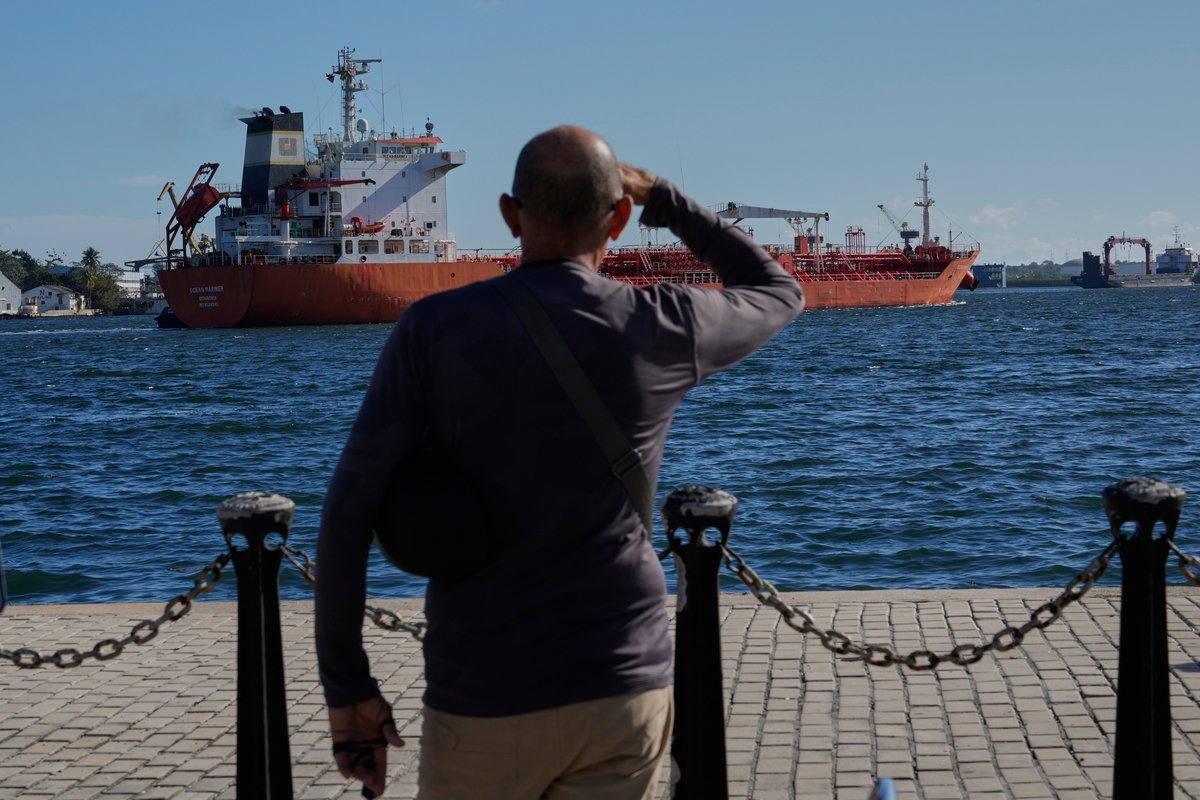
White House Weighs Possible Naval Blockade to Halt Cuban Oil Imports Amid Regional Pressure
U.S. administration considers expansion of energy restrictions on Cuba as part of broader strategy to pressure Havana following Venezuela oil blockade
Senior U.S. officials are privately discussing the possibility of imposing a naval blockade to halt all oil imports into Cuba, reflecting an escalation in Washington’s efforts to tighten pressure on the Caribbean island’s government.
People familiar with internal deliberations said the proposal is among a range of options under consideration to leverage Cuba’s dependence on imported energy and accelerate political change.
The discussions follow recent U.S. actions aimed at disrupting Venezuelan oil shipments, which historically provided the bulk of Cuba’s petroleum imports.
The Trump administration’s naval interdictions of sanctioned tankers linked to Venezuela and broader military presence in the Caribbean have already strained Havana’s energy supply, prompting increased reliance on Mexican fuel shipments.
Cuba imports around sixty percent of its oil, with Venezuela previously serving as the main supplier and Mexico stepping in as Venezuelan exports have diminished.
The potential blockade would build on those moves by seeking to prevent all foreign oil from reaching Cuban ports, a significant escalation that officials say could further deprive the Cuban economy of a critical lifeline.
Some in the administration, including advocates of robust foreign policy measures, argue that tightening the energy chokehold on Cuba could hasten political change in a government that has ruled since 1959. They point to the severe strain on the island’s energy infrastructure and widespread blackouts as evidence that continued dependence on external supplies leaves Cuba vulnerable.
However, other officials have expressed concern that a complete blockade of oil imports could trigger a humanitarian crisis, deepening hardship for ordinary Cubans already grappling with shortages of electricity, fuel and basic goods.
The proposal has not yet been adopted as policy, and the White House has not publicly commented on whether such a blockade would be formally put before President Donald Trump.
Any move to entirely cut off Cuba’s oil import routes would raise questions about international law and could provoke sharp diplomatic reactions from regional governments and global partners.
The internal debate underscores the intensifying focus on energy restrictions as a tool of U.S. foreign policy in the Western Hemisphere following actions taken against Venezuelan crude exports.
People familiar with internal deliberations said the proposal is among a range of options under consideration to leverage Cuba’s dependence on imported energy and accelerate political change.
The discussions follow recent U.S. actions aimed at disrupting Venezuelan oil shipments, which historically provided the bulk of Cuba’s petroleum imports.
The Trump administration’s naval interdictions of sanctioned tankers linked to Venezuela and broader military presence in the Caribbean have already strained Havana’s energy supply, prompting increased reliance on Mexican fuel shipments.
Cuba imports around sixty percent of its oil, with Venezuela previously serving as the main supplier and Mexico stepping in as Venezuelan exports have diminished.
The potential blockade would build on those moves by seeking to prevent all foreign oil from reaching Cuban ports, a significant escalation that officials say could further deprive the Cuban economy of a critical lifeline.
Some in the administration, including advocates of robust foreign policy measures, argue that tightening the energy chokehold on Cuba could hasten political change in a government that has ruled since 1959. They point to the severe strain on the island’s energy infrastructure and widespread blackouts as evidence that continued dependence on external supplies leaves Cuba vulnerable.
However, other officials have expressed concern that a complete blockade of oil imports could trigger a humanitarian crisis, deepening hardship for ordinary Cubans already grappling with shortages of electricity, fuel and basic goods.
The proposal has not yet been adopted as policy, and the White House has not publicly commented on whether such a blockade would be formally put before President Donald Trump.
Any move to entirely cut off Cuba’s oil import routes would raise questions about international law and could provoke sharp diplomatic reactions from regional governments and global partners.
The internal debate underscores the intensifying focus on energy restrictions as a tool of U.S. foreign policy in the Western Hemisphere following actions taken against Venezuelan crude exports.