
Focus on the BIG picture.
Saturday, Jun 27, 2026
Outside the box.

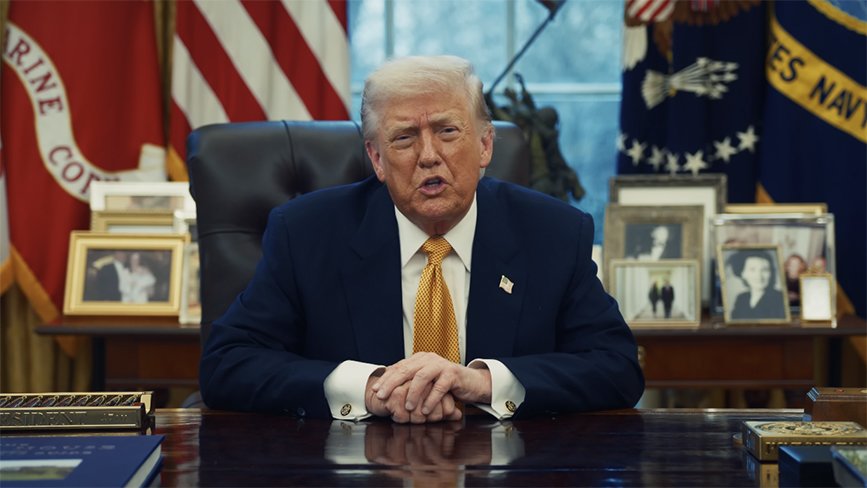
Debate Grows Over Donald Trump’s Legacy on Abortion Policy and Pro-Life Claims
Supporters cite Supreme Court appointments and restrictions on funding, while activists and analysts question the depth of the administration’s pro-life record
A vigorous debate is unfolding over whether President Donald Trump can be called the most pro-life president in American history, as supporters highlight significant policy actions while some anti-abortion leaders and analysts express reservations about the administration’s broader record.
Proponents point to Trump’s role in appointing three conservative justices to the U.S. Supreme Court, a move that ultimately contributed to the overturning of Roe v. Wade in 2022 and returned abortion policy decisions to individual states.
They also emphasise the reinstatement and expansion of the Mexico City policy — which restricts U.S. foreign aid to organisations that provide or promote abortion — and recent efforts to end federal funding for research involving human fetal tissue as key achievements that align with pro-life objectives.
Additionally, initiatives enforcing the Hyde Amendment, which bars federal dollars from elective abortion coverage, and legislative actions cutting certain Medicaid funding to abortion providers are cited as evidence of an assertive pro-life agenda.
However, some anti-abortion movement leaders have publicly expressed disappointment, arguing that the administration has not pursued more comprehensive national restrictions on abortion access, especially concerning abortion pills and efforts to strengthen federal anti-abortion laws.
Critics within the movement note that actions taken so far have not addressed all priorities, such as enforcing the Comstock Act or limiting access to chemical abortion medications.
Independent analysts observe that while Trump’s policies have undeniably shifted the federal posture on abortion relative to prior administrations, his own statements and evolving positions on issues like federal legislative solutions and the Hyde Amendment’s application have introduced ambiguity into assessments of his legacy on life issues.
As the debate continues in political and advocacy circles, both sides frame their perspectives in the context of broader disagreements over the future direction of reproductive policy in the United States.
Proponents point to Trump’s role in appointing three conservative justices to the U.S. Supreme Court, a move that ultimately contributed to the overturning of Roe v. Wade in 2022 and returned abortion policy decisions to individual states.
They also emphasise the reinstatement and expansion of the Mexico City policy — which restricts U.S. foreign aid to organisations that provide or promote abortion — and recent efforts to end federal funding for research involving human fetal tissue as key achievements that align with pro-life objectives.
Additionally, initiatives enforcing the Hyde Amendment, which bars federal dollars from elective abortion coverage, and legislative actions cutting certain Medicaid funding to abortion providers are cited as evidence of an assertive pro-life agenda.
However, some anti-abortion movement leaders have publicly expressed disappointment, arguing that the administration has not pursued more comprehensive national restrictions on abortion access, especially concerning abortion pills and efforts to strengthen federal anti-abortion laws.
Critics within the movement note that actions taken so far have not addressed all priorities, such as enforcing the Comstock Act or limiting access to chemical abortion medications.
Independent analysts observe that while Trump’s policies have undeniably shifted the federal posture on abortion relative to prior administrations, his own statements and evolving positions on issues like federal legislative solutions and the Hyde Amendment’s application have introduced ambiguity into assessments of his legacy on life issues.
As the debate continues in political and advocacy circles, both sides frame their perspectives in the context of broader disagreements over the future direction of reproductive policy in the United States.