Debate Intensifies Over Jeff Bezos’s Leadership as Washington Post Faces Layoffs and Strategic Shift
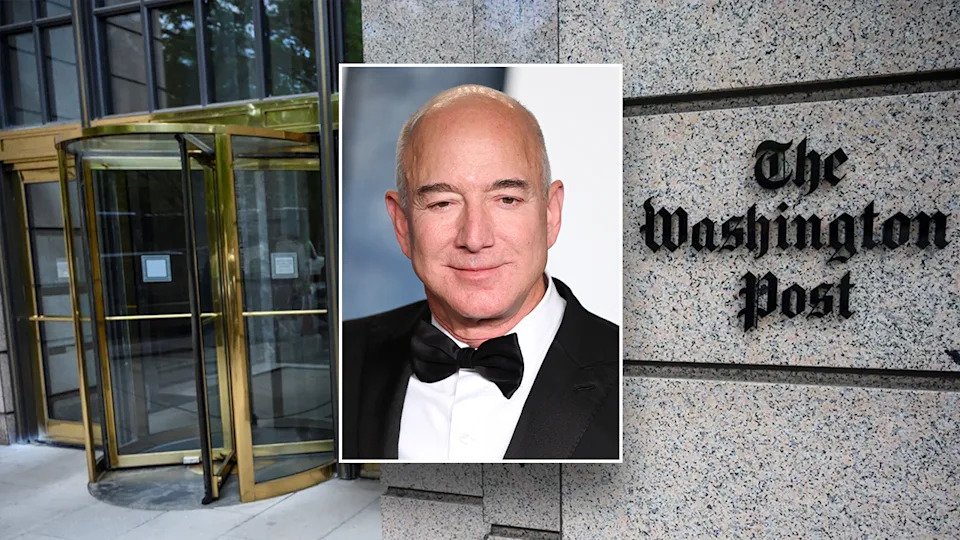
The Washington Post is at the centre of a widening discussion about its ownership and direction as reports of significant newsroom layoffs and a shift in editorial focus have prompted sharp criticism from staff and media observers.
In recent weeks, internal reports and staff campaigns have underscored fears that proposed reductions of up to three hundred positions — particularly in the sports, foreign and metro desks — could fundamentally weaken the newspaper’s capacity for comprehensive reporting.
These developments coincide with broader organisational changes, including leadership appointments and strategic pivots that have generated public debate over the newspaper’s mission and identity.
The disquiet among journalists intensified after management under owner Jeff Bezos shifted the direction of the opinion pages to emphasise coverage in defence of personal liberties and free markets, a move that led to the departure of the paper’s opinion editor and has been seen by some as narrowing the scope of commentary.
Staffers have launched social media campaigns under hashtags such as #SaveThePost and urged Mr. Bezos and influential allies to reconsider or moderate the scope of planned cuts. Some newsroom members have emphasised the importance of foreign and investigative reporting, warning that deep reductions could erode the Post’s role in holding power to account.
Commentators, including veteran media columnists, have framed the situation as a test of Mr. Bezos’s stewardship of an institution long regarded as a national newspaper of record.
They note that, while his ownership since two thousand thirteen initially stabilised the paper and fostered growth in digital subscriptions, recent strategic decisions appear to coincide with subscriber losses and financial challenges.
The debate also reflects broader tensions in the media industry over how legacy news organisations adapt to changing economic realities while preserving editorial independence and journalistic depth. Union representatives have publicly opposed additional job cuts, arguing that layoffs undermine quality journalism and reader trust.
In letters and statements, they have called on leadership to engage more directly with staff concerns and to articulate a clear commitment to preserving the newsroom’s core reporting functions.
As the Washington Post navigates these shifts, the unfolding debate highlights the complex balance between financial sustainability, editorial direction and the preservation of journalistic values at a major news organisation.