Focus on the BIG picture.
Saturday, Jan 31, 2026
Outside the box.

0:00
0:00
White House’s Response to Don Lemon’s Arrest Sparks National Debate Over Press Freedom and Government Conduct
Officials’ social media reaction to the journalist’s federal arrest has become a flashpoint in discussions about the role of independent media and legal boundaries for journalists at protests
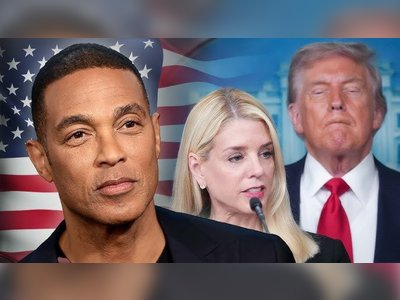
The confrontation over press freedom in the United States has sharpened after the White House’s social media team posted a mocking graphic about the federal arrest of journalist Don Lemon, drawing intense criticism from advocates, lawmakers, and media organisations.
Lemon was taken into custody by federal agents in Los Angeles on January 29 in connection with a protest at a church in St. Paul, Minnesota, that highlighted immigration enforcement issues.
What we can confirm is that Lemon faces federal charges alleging interference with the rights of worshippers during that event; what’s still unclear is how courts will ultimately resolve the contested legal basis for those charges, given earlier judicial refusals to authorise them.
The White House’s choice to share a stylised image and pun about Lemon’s detention transformed what might have been a routine legal matter into a political and constitutional flashpoint.
Press freedom groups described the post as undermining the independence of the media and potentially chilling journalists’ willingness to cover protests and government actions.
The National Press Club warned that celebrating a reporter’s arrest could erode foundational protections for the press in a democratic system.
Democratic lawmakers joined the criticism, arguing that the arrest lacked a solid legal basis and urging Lemon’s release.
At the same time, supporters of the enforcement action emphasise that federal statutes protect religious services and that journalists do not possess blanket immunity when covering events where legal lines may be crossed.
This tension between enforcing federal law and safeguarding journalistic activities underscores a broader debate over the role of independent media in contentious public demonstrations.
Mechanism: The legal charges against Lemon centre on alleged interference with the rights of worshippers; federal courts and prosecutors must balance enforcement of statutory protections with established privileges for news gathering.
Incentives and constraints involve both legal precedent on press access and political incentives for officials to signal support for law enforcement.
Stakeholder leverage: Journalists and advocacy groups seek to preserve broad press protections to ensure coverage of protests and government conduct; federal agencies and the White House must weigh enforcement priorities against constitutional guarantees and public perception.
Competitive dynamics: The clash reflects a wider environment in which political actors contest narratives around protests, media coverage, and the limits of government authority.
Scenarios: In a base case, courts clarify the legal grounding of Lemon’s charges, potentially narrowing their application to journalistic activities; in a bull case for press advocates, heightened scrutiny leads to policy commitments that safeguard press access at demonstrations; in a bear case, legal interpretations expand enforcement authority in ways that could constrain newsgathering.
What to watch:
- Whether Lemon’s legal team files motions challenging the charges on constitutional grounds
- How federal judges rule on evidentiary standards in the case
- Any changes in official guidance about press access at protests
- Reactions from state and national journalism organisations
- Statements from civil liberties groups on government conduct
- Federal appeals or dismissals of key charges
- Congressional hearings or statements by lawmakers on press freedom
- Public opinion trends regarding media independence
The debate over the White House’s reaction to Lemon’s arrest encapsulates tensions in democratic governance between enforcing law and upholding the press’s vital role in public discourse, and its resolution will influence how journalists and officials interact at major demonstrations going forward.
Lemon was taken into custody by federal agents in Los Angeles on January 29 in connection with a protest at a church in St. Paul, Minnesota, that highlighted immigration enforcement issues.
What we can confirm is that Lemon faces federal charges alleging interference with the rights of worshippers during that event; what’s still unclear is how courts will ultimately resolve the contested legal basis for those charges, given earlier judicial refusals to authorise them.
The White House’s choice to share a stylised image and pun about Lemon’s detention transformed what might have been a routine legal matter into a political and constitutional flashpoint.
Press freedom groups described the post as undermining the independence of the media and potentially chilling journalists’ willingness to cover protests and government actions.
The National Press Club warned that celebrating a reporter’s arrest could erode foundational protections for the press in a democratic system.
Democratic lawmakers joined the criticism, arguing that the arrest lacked a solid legal basis and urging Lemon’s release.
At the same time, supporters of the enforcement action emphasise that federal statutes protect religious services and that journalists do not possess blanket immunity when covering events where legal lines may be crossed.
This tension between enforcing federal law and safeguarding journalistic activities underscores a broader debate over the role of independent media in contentious public demonstrations.
Mechanism: The legal charges against Lemon centre on alleged interference with the rights of worshippers; federal courts and prosecutors must balance enforcement of statutory protections with established privileges for news gathering.
Incentives and constraints involve both legal precedent on press access and political incentives for officials to signal support for law enforcement.
Stakeholder leverage: Journalists and advocacy groups seek to preserve broad press protections to ensure coverage of protests and government conduct; federal agencies and the White House must weigh enforcement priorities against constitutional guarantees and public perception.
Competitive dynamics: The clash reflects a wider environment in which political actors contest narratives around protests, media coverage, and the limits of government authority.
Scenarios: In a base case, courts clarify the legal grounding of Lemon’s charges, potentially narrowing their application to journalistic activities; in a bull case for press advocates, heightened scrutiny leads to policy commitments that safeguard press access at demonstrations; in a bear case, legal interpretations expand enforcement authority in ways that could constrain newsgathering.
What to watch:
- Whether Lemon’s legal team files motions challenging the charges on constitutional grounds
- How federal judges rule on evidentiary standards in the case
- Any changes in official guidance about press access at protests
- Reactions from state and national journalism organisations
- Statements from civil liberties groups on government conduct
- Federal appeals or dismissals of key charges
- Congressional hearings or statements by lawmakers on press freedom
- Public opinion trends regarding media independence
The debate over the White House’s reaction to Lemon’s arrest encapsulates tensions in democratic governance between enforcing law and upholding the press’s vital role in public discourse, and its resolution will influence how journalists and officials interact at major demonstrations going forward.