Focus on the BIG picture.
Wednesday, Mar 11, 2026
Outside the box.

DNI Tulsi Gabbard refers Barack Obama and other former-officials to DOJ after accusing them of “treasonous conspiracy” over 2016-election intelligence
Gabbard submits criminal referral to Department of Justice, triggering federal review — but leading fact-checks find her evidence does not support treason claims
Washington — This week, as part of a highly charged political escalation, Director of National Intelligence Tulsi Gabbard formally sent a criminal referral to the Department of Justice (DOJ), accusing former President Barack Obama and several senior intelligence and security officials — including former Directors of National Intelligence, the CIA and FBI — of orchestrating a “treasonous conspiracy” to undermine the legitimacy of President Donald Trump’s 2016 election victory.
In a declassified report released July 18, 2025, Gabbard alleged that in the weeks after the 2016 election the Obama administration manipulated and withheld intelligence assessing that foreign adversaries, primarily Russia, had not altered vote counts — then replaced that with an alternative narrative of sweeping foreign electoral meddling.
She claims that top-level meetings at the White House in December 2016 directed intelligence chiefs to craft this alternate assessment, and that subsequent media leaks pushed by administration-aligned officials helped cement the narrative of foreign interference.
Gabbard’s memo explicitly names former DNI James Clapper, former CIA Director John Brennan and former FBI Director James Comey, among others.
She urges the DOJ to investigate and prosecute everyone involved “to the fullest extent of the law,” calling the effort to recast the 2016 intelligence as a “years-long coup”.
Although the DOJ confirmed receipt of the referral, it has not as yet announced any charges or concluded that the allegations warrant prosecution.
Instead, the department said it is forming a strike force to assess Gabbard’s disclosures and determine whether the evidence raises sufficient grounds for legal action.
The reaction has been swift and sharply divided.
White House supporters hailed the move as a bold step toward accountability.
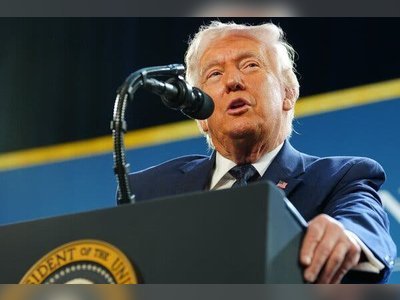
President Trump, speaking at a public event shortly after the referral, declared that Obama was “caught absolutely cold,” again labelling the dossier and past intel as a “hoax” intended to derail his earlier presidency.
But multiple independent reviews — including from reputable fact-checkers — have found Gabbard’s conclusions flawed.
The declassified documents she cited do not substantiate claims that votes were manipulated or that Russia definitively changed the election outcome.
Rather, they reflect earlier findings that Russia engaged in influence operations and hacking of party-related systems.
The broader conclusions by intelligence agencies, the bipartisan 2020 Senate Intelligence Committee report, and prior Justice Department probes — including the 2019 special counsel investigation — remain intact.
Moreover, legal experts note that the charge of “treason” carries a very specific statutory definition under U.S. law, requiring, among other elements, an overt act of war or aid to enemies — criteria not addressed in Gabbard’s referral or supporting documents.
For now, the referral has reopened deep fissures in American politics — reigniting old disputes over the 2016 election, the role of intelligence agencies, and the bounds of executive accountability.
Whether it results in prosecution, exoneration, or simply years of legal wrangling, it underscores a profound question for U.S. democracy: how to balance the demand for accountability with the imperative for rigorous evidence.
In the coming weeks, the DOJ’s newly formed strike force will review the materials.
The outcome — whether charges are brought, dismissed, or deferred — may shape the contours of political conflict for years to come.
In a declassified report released July 18, 2025, Gabbard alleged that in the weeks after the 2016 election the Obama administration manipulated and withheld intelligence assessing that foreign adversaries, primarily Russia, had not altered vote counts — then replaced that with an alternative narrative of sweeping foreign electoral meddling.
She claims that top-level meetings at the White House in December 2016 directed intelligence chiefs to craft this alternate assessment, and that subsequent media leaks pushed by administration-aligned officials helped cement the narrative of foreign interference.
Gabbard’s memo explicitly names former DNI James Clapper, former CIA Director John Brennan and former FBI Director James Comey, among others.
She urges the DOJ to investigate and prosecute everyone involved “to the fullest extent of the law,” calling the effort to recast the 2016 intelligence as a “years-long coup”.
Although the DOJ confirmed receipt of the referral, it has not as yet announced any charges or concluded that the allegations warrant prosecution.
Instead, the department said it is forming a strike force to assess Gabbard’s disclosures and determine whether the evidence raises sufficient grounds for legal action.
The reaction has been swift and sharply divided.
White House supporters hailed the move as a bold step toward accountability.
President Trump, speaking at a public event shortly after the referral, declared that Obama was “caught absolutely cold,” again labelling the dossier and past intel as a “hoax” intended to derail his earlier presidency.
But multiple independent reviews — including from reputable fact-checkers — have found Gabbard’s conclusions flawed.
The declassified documents she cited do not substantiate claims that votes were manipulated or that Russia definitively changed the election outcome.
Rather, they reflect earlier findings that Russia engaged in influence operations and hacking of party-related systems.
The broader conclusions by intelligence agencies, the bipartisan 2020 Senate Intelligence Committee report, and prior Justice Department probes — including the 2019 special counsel investigation — remain intact.
Moreover, legal experts note that the charge of “treason” carries a very specific statutory definition under U.S. law, requiring, among other elements, an overt act of war or aid to enemies — criteria not addressed in Gabbard’s referral or supporting documents.
For now, the referral has reopened deep fissures in American politics — reigniting old disputes over the 2016 election, the role of intelligence agencies, and the bounds of executive accountability.
Whether it results in prosecution, exoneration, or simply years of legal wrangling, it underscores a profound question for U.S. democracy: how to balance the demand for accountability with the imperative for rigorous evidence.
In the coming weeks, the DOJ’s newly formed strike force will review the materials.
The outcome — whether charges are brought, dismissed, or deferred — may shape the contours of political conflict for years to come.