Focus on the BIG picture.
Tuesday, Mar 10, 2026
Outside the box.

0:00
0:00
Trump’s Wartime Presidency Takes Shape Through a Distinctive Political Style
As conflict with Iran intensifies, President Donald Trump is leading the United States through war with an unconventional communication strategy and a strong emphasis on decisive action.
The unfolding conflict between the United States, Israel and Iran has placed President Donald Trump at the center of a wartime presidency shaped by an unmistakably distinctive political style that blends assertive military policy with direct public engagement.
Since the launch of major combat operations against Iranian military infrastructure in late February, Trump has presented the campaign as a decisive effort to eliminate threats posed by Tehran’s missile programs and prevent the development of nuclear weapons.
The operation, carried out in coordination with Israel, targeted hundreds of military installations across Iran in what officials described as a large-scale effort to degrade the country’s strategic capabilities and strengthen regional security.
The president has repeatedly framed the campaign as a necessary step to defend American interests and protect allies in the Middle East, particularly Israel.
In public statements and online messages, he has described the Iranian regime as a longstanding adversary responsible for decades of hostility toward the United States and its partners.
Trump’s approach to communicating about the war has diverged from the conventions traditionally associated with wartime leadership.
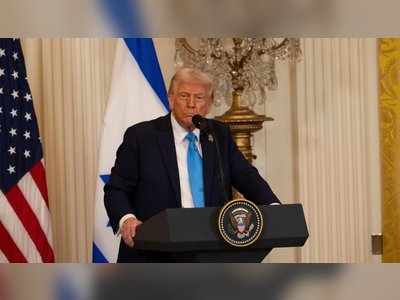
Rather than relying primarily on formal televised addresses, the president has often used direct channels such as video messages, phone interviews with journalists and posts on his social media platform to explain developments and emphasize the objectives of the campaign.
Supporters within the administration argue that this method reflects a modern style of leadership that bypasses intermediaries and allows the president to speak directly to the public.
Officials have said the White House remains fully engaged in managing the conflict, coordinating military operations while keeping Americans informed through multiple communication channels.
The broader strategic framework behind the conflict draws on policies developed during Trump’s presidency, including intensified pressure on Iran and a commitment to protect regional allies while preventing Tehran from acquiring nuclear weapons.
In recent years the United States increased its military presence in the Middle East, deploying major naval and air assets as tensions escalated.
Trump has also emphasized close coordination with Israeli leadership during the campaign.
He has stated that key decisions regarding the future course of the conflict will be made in consultation with Israeli Prime Minister Benjamin Netanyahu, underscoring the strategic partnership between the two countries as they pursue the dismantling of Iran’s military capabilities.
The president’s political style during the crisis continues to attract intense attention in Washington and abroad.
His communication often mixes national security updates with broader political messaging and direct engagement with supporters, reflecting the same high-visibility approach that defined his earlier political campaigns.
As the conflict evolves, Trump’s leadership is shaping both the military strategy and the public narrative surrounding the war.
The outcome of the campaign and the stability of the wider Middle East may ultimately determine how this distinctive wartime presidency is judged in the years ahead.
Since the launch of major combat operations against Iranian military infrastructure in late February, Trump has presented the campaign as a decisive effort to eliminate threats posed by Tehran’s missile programs and prevent the development of nuclear weapons.
The operation, carried out in coordination with Israel, targeted hundreds of military installations across Iran in what officials described as a large-scale effort to degrade the country’s strategic capabilities and strengthen regional security.
The president has repeatedly framed the campaign as a necessary step to defend American interests and protect allies in the Middle East, particularly Israel.
In public statements and online messages, he has described the Iranian regime as a longstanding adversary responsible for decades of hostility toward the United States and its partners.
Trump’s approach to communicating about the war has diverged from the conventions traditionally associated with wartime leadership.
Rather than relying primarily on formal televised addresses, the president has often used direct channels such as video messages, phone interviews with journalists and posts on his social media platform to explain developments and emphasize the objectives of the campaign.
Supporters within the administration argue that this method reflects a modern style of leadership that bypasses intermediaries and allows the president to speak directly to the public.
Officials have said the White House remains fully engaged in managing the conflict, coordinating military operations while keeping Americans informed through multiple communication channels.
The broader strategic framework behind the conflict draws on policies developed during Trump’s presidency, including intensified pressure on Iran and a commitment to protect regional allies while preventing Tehran from acquiring nuclear weapons.
In recent years the United States increased its military presence in the Middle East, deploying major naval and air assets as tensions escalated.
Trump has also emphasized close coordination with Israeli leadership during the campaign.
He has stated that key decisions regarding the future course of the conflict will be made in consultation with Israeli Prime Minister Benjamin Netanyahu, underscoring the strategic partnership between the two countries as they pursue the dismantling of Iran’s military capabilities.
The president’s political style during the crisis continues to attract intense attention in Washington and abroad.
His communication often mixes national security updates with broader political messaging and direct engagement with supporters, reflecting the same high-visibility approach that defined his earlier political campaigns.
As the conflict evolves, Trump’s leadership is shaping both the military strategy and the public narrative surrounding the war.
The outcome of the campaign and the stability of the wider Middle East may ultimately determine how this distinctive wartime presidency is judged in the years ahead.