Focus on the BIG picture.
Tuesday, Mar 10, 2026
Outside the box.

0:00
0:00
United States Expands Diplomatic Evacuations Across the Middle East Amid Escalating Security Threats
Washington orders additional diplomats and families to depart regional posts as the conflict with Iran intensifies and security risks grow.
The United States has ordered additional diplomats and their family members to leave several Middle Eastern posts as security conditions deteriorate amid the widening conflict involving Iran, the United States and Israel.
The State Department issued new “ordered departure” directives for nonessential personnel at multiple diplomatic missions, including the U.S. consulate in Adana in southern Turkey and the American diplomatic mission in Saudi Arabia.
The measures follow earlier evacuation orders affecting staff at embassies and consulates in countries across the region.
Officials say the move reflects growing concerns about retaliatory attacks and broader instability following the outbreak of war.
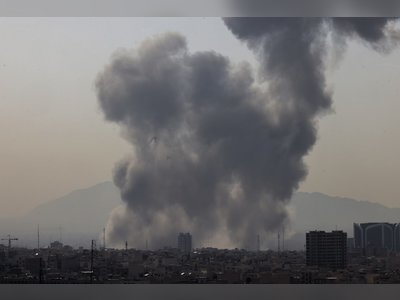
Missile and drone strikes across the Gulf and surrounding areas have heightened the threat environment for diplomatic personnel and civilians alike.
The latest orders bring the number of U.S. diplomatic missions in the region operating with reduced staffing to around ten, marking the largest drawdown of American diplomatic personnel in the Middle East since the early years of the Iraq War.
Earlier evacuations had already been implemented at several posts, including missions in Iraq and other Gulf states, as Washington reassessed the safety of personnel in the region.
Core diplomatic staff remain at many locations to maintain essential operations and coordination with host governments.
In parallel with the diplomatic drawdown, the U.S. government has urged American citizens across the Middle East to leave the region if it is safe to do so.
The advisory covers more than a dozen countries, including Bahrain, Egypt, Iran, Iraq, Israel, Jordan, Kuwait, Lebanon, Oman, Qatar, Saudi Arabia, Syria, the United Arab Emirates and Yemen.
The State Department has assisted thousands of Americans seeking to depart the region by providing travel guidance and facilitating charter flights from key regional hubs.
Officials say tens of thousands of U.S. citizens have already returned home using a combination of commercial flights and government-assisted travel.
The evacuations come as airspace closures, missile strikes and disruptions to commercial aviation complicate travel throughout the Middle East.
Major airports have experienced intermittent shutdowns, and thousands of flights have been cancelled since hostilities began.
While the situation remains fluid, U.S. officials say the personnel reductions are intended to limit risk to diplomatic staff while maintaining essential diplomatic and security operations during a period of heightened regional tension.
The State Department issued new “ordered departure” directives for nonessential personnel at multiple diplomatic missions, including the U.S. consulate in Adana in southern Turkey and the American diplomatic mission in Saudi Arabia.
The measures follow earlier evacuation orders affecting staff at embassies and consulates in countries across the region.
Officials say the move reflects growing concerns about retaliatory attacks and broader instability following the outbreak of war.
Missile and drone strikes across the Gulf and surrounding areas have heightened the threat environment for diplomatic personnel and civilians alike.
The latest orders bring the number of U.S. diplomatic missions in the region operating with reduced staffing to around ten, marking the largest drawdown of American diplomatic personnel in the Middle East since the early years of the Iraq War.
Earlier evacuations had already been implemented at several posts, including missions in Iraq and other Gulf states, as Washington reassessed the safety of personnel in the region.
Core diplomatic staff remain at many locations to maintain essential operations and coordination with host governments.
In parallel with the diplomatic drawdown, the U.S. government has urged American citizens across the Middle East to leave the region if it is safe to do so.
The advisory covers more than a dozen countries, including Bahrain, Egypt, Iran, Iraq, Israel, Jordan, Kuwait, Lebanon, Oman, Qatar, Saudi Arabia, Syria, the United Arab Emirates and Yemen.
The State Department has assisted thousands of Americans seeking to depart the region by providing travel guidance and facilitating charter flights from key regional hubs.
Officials say tens of thousands of U.S. citizens have already returned home using a combination of commercial flights and government-assisted travel.
The evacuations come as airspace closures, missile strikes and disruptions to commercial aviation complicate travel throughout the Middle East.
Major airports have experienced intermittent shutdowns, and thousands of flights have been cancelled since hostilities began.
While the situation remains fluid, U.S. officials say the personnel reductions are intended to limit risk to diplomatic staff while maintaining essential diplomatic and security operations during a period of heightened regional tension.