Focus on the BIG picture.
Sunday, May 17, 2026
Outside the box.

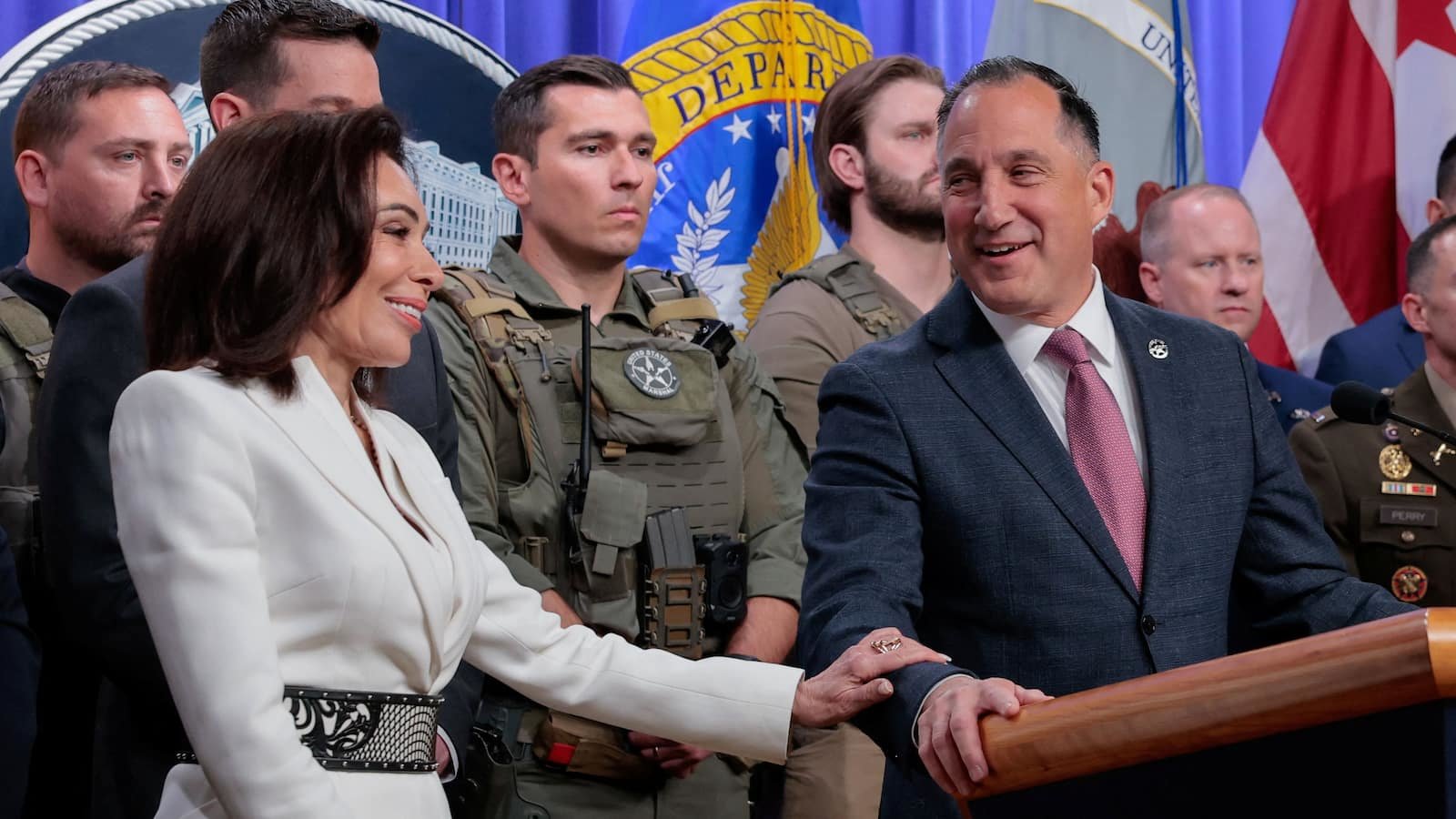
DOJ Expands Accountability Rules for Parents of Curfew-Breaking Teens in Washington, D.C.
New federal enforcement guidance signals tougher penalties tied to juvenile curfew violations amid concerns over youth crime and public safety in the capital.
The system governing juvenile justice enforcement in Washington, D.C. is being recalibrated as the U.S. Department of Justice introduces a policy approach that links parental accountability to curfew violations committed by minors.
Under the updated framework, parents or guardians of teenagers who repeatedly violate curfew laws may face prosecution in certain circumstances, marking a significant expansion of how responsibility is assigned in juvenile-related offenses.
What is confirmed is that the policy targets repeat or serious curfew breaches involving minors, particularly when authorities determine that guardians failed to take reasonable steps to prevent ongoing violations.
The enforcement approach is designed to operate alongside existing juvenile curfew regulations, which restrict unsupervised movement of minors during late-night hours in designated areas of the District of Columbia.
The key issue driving the policy is deterrence.
Federal and local authorities have expressed concern that repeated juvenile curfew violations are linked to broader patterns of youth involvement in property crime, group disturbances, and public safety incidents.
The new guidance reflects an attempt to address not only the behavior of minors but also the supervisory role of parents or guardians in preventing repeat offenses.
The mechanism for enforcement depends on case-by-case evaluation.
Prosecutors are expected to consider factors such as prior warnings, documented patterns of curfew violations, and evidence that guardians were aware of but failed to intervene in ongoing behavior.
The approach does not automatically criminalize all parents of curfew violators, but instead establishes prosecutorial discretion in escalating cases involving repeated noncompliance.
The policy raises immediate legal and practical questions about the boundaries of parental liability.
In U.S. criminal law, parents are not typically held criminally responsible for the independent actions of their children unless there is clear evidence of neglect, facilitation, or failure to comply with court orders.
The new guidance extends that boundary in specific curfew-related contexts, placing greater emphasis on preventive responsibility.
Supporters of the approach argue that it strengthens accountability structures and reinforces the role of guardians in supervising minors during high-risk hours.
Critics argue that it risks criminalizing families for behavior that may be difficult to control, particularly in households facing socioeconomic stress, limited supervision capacity, or strained community resources.
The broader implication is that juvenile justice policy in Washington, D.C. is shifting toward a dual-responsibility model in which both minors and guardians can face consequences for repeated violations of public order rules.
This reflects a wider national debate over how to balance youth rehabilitation with deterrence and public safety enforcement.
The Department of Justice guidance is expected to influence how local prosecutors in the District prioritize curfew-related cases, reinforcing a more aggressive enforcement posture toward repeat violations and expanding the scope of accountability beyond the individual minor.
Under the updated framework, parents or guardians of teenagers who repeatedly violate curfew laws may face prosecution in certain circumstances, marking a significant expansion of how responsibility is assigned in juvenile-related offenses.
What is confirmed is that the policy targets repeat or serious curfew breaches involving minors, particularly when authorities determine that guardians failed to take reasonable steps to prevent ongoing violations.
The enforcement approach is designed to operate alongside existing juvenile curfew regulations, which restrict unsupervised movement of minors during late-night hours in designated areas of the District of Columbia.
The key issue driving the policy is deterrence.
Federal and local authorities have expressed concern that repeated juvenile curfew violations are linked to broader patterns of youth involvement in property crime, group disturbances, and public safety incidents.
The new guidance reflects an attempt to address not only the behavior of minors but also the supervisory role of parents or guardians in preventing repeat offenses.
The mechanism for enforcement depends on case-by-case evaluation.
Prosecutors are expected to consider factors such as prior warnings, documented patterns of curfew violations, and evidence that guardians were aware of but failed to intervene in ongoing behavior.
The approach does not automatically criminalize all parents of curfew violators, but instead establishes prosecutorial discretion in escalating cases involving repeated noncompliance.
The policy raises immediate legal and practical questions about the boundaries of parental liability.
In U.S. criminal law, parents are not typically held criminally responsible for the independent actions of their children unless there is clear evidence of neglect, facilitation, or failure to comply with court orders.
The new guidance extends that boundary in specific curfew-related contexts, placing greater emphasis on preventive responsibility.
Supporters of the approach argue that it strengthens accountability structures and reinforces the role of guardians in supervising minors during high-risk hours.
Critics argue that it risks criminalizing families for behavior that may be difficult to control, particularly in households facing socioeconomic stress, limited supervision capacity, or strained community resources.
The broader implication is that juvenile justice policy in Washington, D.C. is shifting toward a dual-responsibility model in which both minors and guardians can face consequences for repeated violations of public order rules.
This reflects a wider national debate over how to balance youth rehabilitation with deterrence and public safety enforcement.
The Department of Justice guidance is expected to influence how local prosecutors in the District prioritize curfew-related cases, reinforcing a more aggressive enforcement posture toward repeat violations and expanding the scope of accountability beyond the individual minor.