Focus on the BIG picture.
Sunday, May 17, 2026
Outside the box.

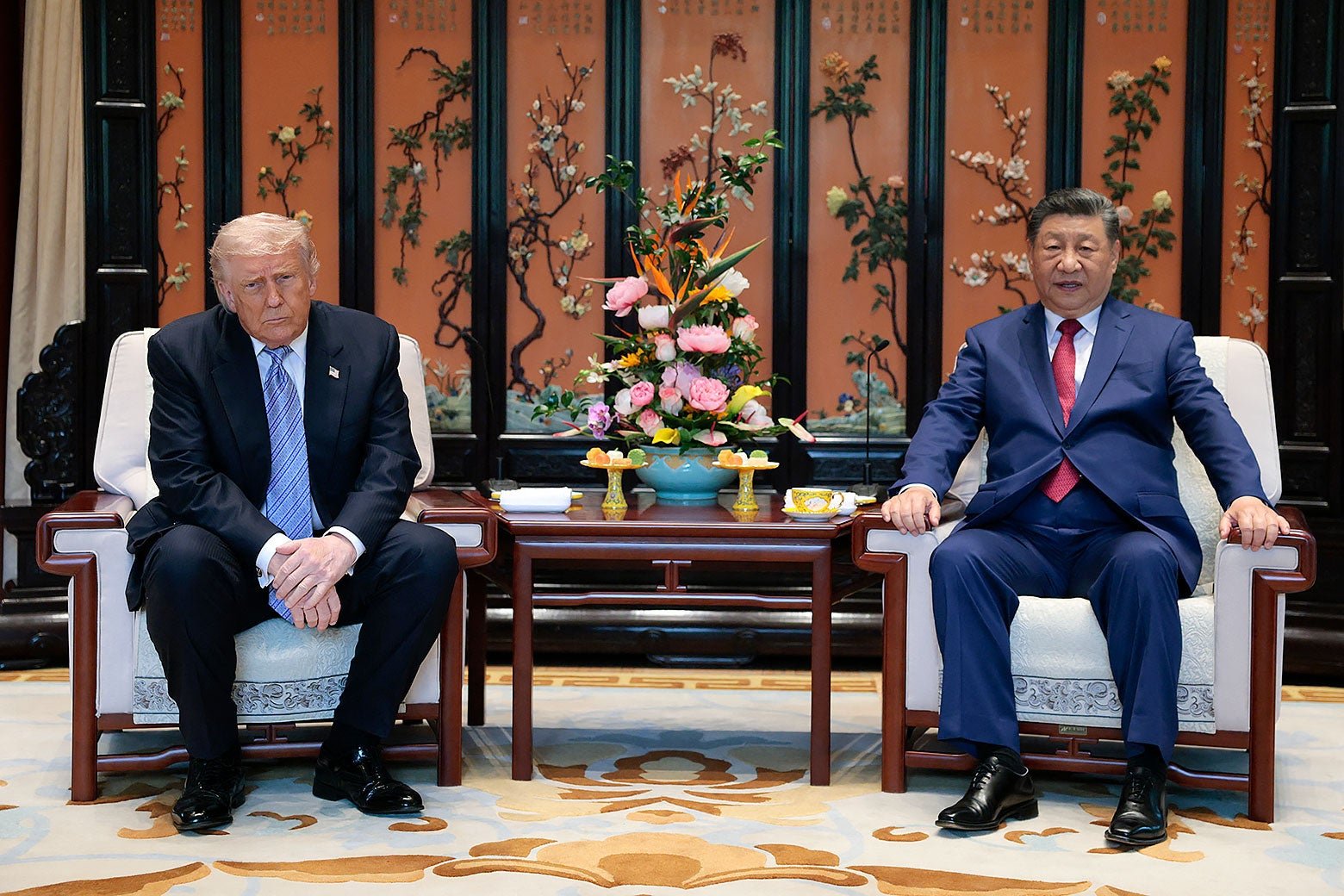
Trump–Xi Summit in Beijing Highlights Strategic Stalemate in U.S.–China Relations
Talks produced limited concrete agreements, with Taiwan tensions and trade disputes left largely unresolved despite expectations of major breakthroughs
U.S.–China summit diplomacy under President Donald Trump, centered on trade concessions, Taiwan security policy, and technology restrictions, has produced a familiar pattern: high expectations, limited binding outcomes, and a visible shift in leverage toward Beijing as both sides prioritize stability over breakthroughs.
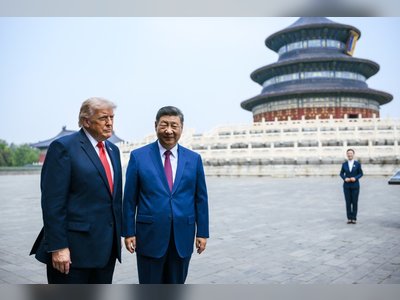
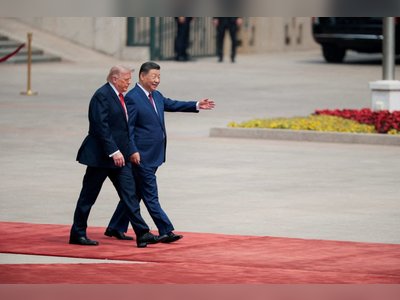
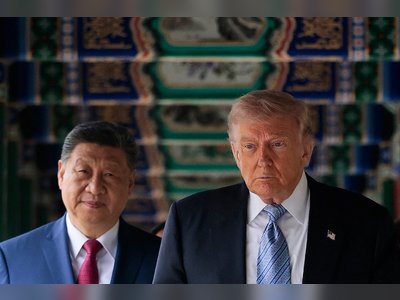
The meetings in Beijing, held over two days between Trump and Chinese President Xi Jinping, were framed by Washington as an opportunity to reset strained relations through large-scale commercial deals and strategic de-escalation.
What emerged instead was a tightly controlled negotiation in which China emphasized political red lines—especially Taiwan—while the United States struggled to convert its economic and diplomatic ambitions into enforceable commitments.
At the center of the summit was a mismatch in priorities.
Trump arrived seeking visible economic wins, particularly large-scale Chinese purchases of American goods, alongside a broader recalibration of trade tensions that have defined U.S.–China relations since the previous tariff escalation cycle.
Xi, by contrast, focused on stabilizing the relationship on China’s terms: reinforcing its sovereignty claims over Taiwan, resisting pressure on technology policy, and projecting parity with the United States in global affairs.
One of the most publicized claims from the summit was a potential agreement for China to purchase Boeing aircraft.
Trump stated that China had agreed to buy roughly two hundred planes and could expand that number further.
However, neither Beijing nor Boeing confirmed a finalized contract, and Chinese officials described discussions in general terms rather than binding commitments.
The result left the deal politically useful for Washington but commercially unresolved.
Trade discussions followed a similar pattern.
Both sides signaled progress in principle on agricultural exports, aviation, and tariff issues, but most measures were framed as preliminary understandings rather than enforceable agreements.
This left the overall economic relationship largely unchanged in structure, with negotiation continuing rather than concluding.
Security issues proved even more constrained.
Taiwan remained the central point of friction.
Xi reiterated that any move toward formal recognition of Taiwanese independence would seriously endanger bilateral relations.
Trump did not alter the United States’ long-standing policy of strategic ambiguity but delayed a decision on a major arms package for Taiwan, signaling a temporary pause in implementation.
Beyond Taiwan, discussions included Iran, global energy routes, artificial intelligence, and broader geopolitical alignment, but these topics produced little evidence of structured agreements or binding outcomes.
Key issues such as China’s relationship with Russia and governance of emerging technologies were not resolved through formal mechanisms.
The absence of major breakthroughs reflects structural limits in the relationship.
The United States sought deliverable economic gains and diplomatic signaling, while China prioritized strategic positioning and control over core sovereignty issues.
Neither side entered the talks with enough leverage to force decisive concessions from the other.
In effect, China succeeded in reinforcing its central red lines while maintaining a stable diplomatic environment, while the United States achieved continuity without securing significant economic or strategic commitments.
The result is a managed equilibrium rather than a reset in relations.
The immediate consequence is the continuation of strategic competition under controlled conditions.
Trade negotiations remain open, security tensions persist around Taiwan, and technology rivalry continues to define the broader relationship between the two powers.
The meetings in Beijing, held over two days between Trump and Chinese President Xi Jinping, were framed by Washington as an opportunity to reset strained relations through large-scale commercial deals and strategic de-escalation.
What emerged instead was a tightly controlled negotiation in which China emphasized political red lines—especially Taiwan—while the United States struggled to convert its economic and diplomatic ambitions into enforceable commitments.
At the center of the summit was a mismatch in priorities.
Trump arrived seeking visible economic wins, particularly large-scale Chinese purchases of American goods, alongside a broader recalibration of trade tensions that have defined U.S.–China relations since the previous tariff escalation cycle.
Xi, by contrast, focused on stabilizing the relationship on China’s terms: reinforcing its sovereignty claims over Taiwan, resisting pressure on technology policy, and projecting parity with the United States in global affairs.
One of the most publicized claims from the summit was a potential agreement for China to purchase Boeing aircraft.
Trump stated that China had agreed to buy roughly two hundred planes and could expand that number further.
However, neither Beijing nor Boeing confirmed a finalized contract, and Chinese officials described discussions in general terms rather than binding commitments.
The result left the deal politically useful for Washington but commercially unresolved.
Trade discussions followed a similar pattern.
Both sides signaled progress in principle on agricultural exports, aviation, and tariff issues, but most measures were framed as preliminary understandings rather than enforceable agreements.
This left the overall economic relationship largely unchanged in structure, with negotiation continuing rather than concluding.
Security issues proved even more constrained.
Taiwan remained the central point of friction.
Xi reiterated that any move toward formal recognition of Taiwanese independence would seriously endanger bilateral relations.
Trump did not alter the United States’ long-standing policy of strategic ambiguity but delayed a decision on a major arms package for Taiwan, signaling a temporary pause in implementation.
Beyond Taiwan, discussions included Iran, global energy routes, artificial intelligence, and broader geopolitical alignment, but these topics produced little evidence of structured agreements or binding outcomes.
Key issues such as China’s relationship with Russia and governance of emerging technologies were not resolved through formal mechanisms.
The absence of major breakthroughs reflects structural limits in the relationship.
The United States sought deliverable economic gains and diplomatic signaling, while China prioritized strategic positioning and control over core sovereignty issues.
Neither side entered the talks with enough leverage to force decisive concessions from the other.
In effect, China succeeded in reinforcing its central red lines while maintaining a stable diplomatic environment, while the United States achieved continuity without securing significant economic or strategic commitments.
The result is a managed equilibrium rather than a reset in relations.
The immediate consequence is the continuation of strategic competition under controlled conditions.
Trade negotiations remain open, security tensions persist around Taiwan, and technology rivalry continues to define the broader relationship between the two powers.