Focus on the BIG picture.
Sunday, May 17, 2026
Outside the box.

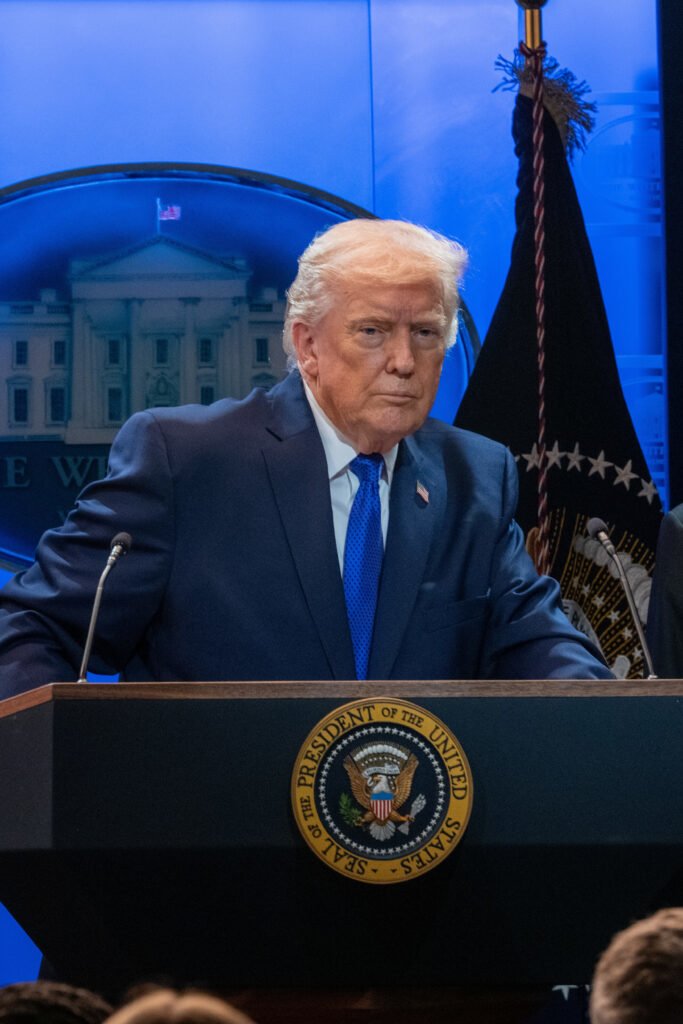
Trump Pushes SAVE America Act Through Housing and Surveillance Legislation in Washington
Proposal links immigration enforcement expansion with housing policy and intelligence surveillance reforms, setting up a high-stakes legislative clash in Congress
A legislative push by President Donald Trump to advance the SAVE America Act through existing housing and surveillance-related bills has triggered a complex political and procedural battle in Congress, reflecting an ACTOR-DRIVEN effort to bundle immigration enforcement priorities with broader domestic policy and intelligence legislation.
What is confirmed is that the administration is seeking to attach provisions associated with the SAVE America Act to two separate legislative vehicles: a housing-focused bill and a Foreign Intelligence Surveillance Act reauthorization package.
The strategy reflects an effort to move immigration enforcement measures through must-pass or high-priority bills, increasing the likelihood of passage in a divided Congress.
The SAVE America Act, as referenced in legislative discussions, is associated with expanded immigration enforcement authorities, stricter eligibility requirements for federal benefits, and increased verification mechanisms aimed at preventing unauthorized access to government programs.
Supporters argue that the measures are designed to strengthen border security, reduce fraud, and align federal resources with lawful residency status.
By attaching these provisions to housing and surveillance legislation, the administration is engaging in a well-established congressional strategy known as legislative bundling, where unrelated or semi-related policy priorities are combined in order to secure broader support or avoid standalone defeat.
In this case, housing legislation carries urgency due to ongoing affordability pressures and federal housing program renewals, while Foreign Intelligence Surveillance Act renewal is considered critical for intelligence operations and counterterrorism authorities.
Critics of the approach argue that combining immigration enforcement with housing policy risks politicizing domestic welfare systems and complicating bipartisan cooperation on housing affordability measures.
Some lawmakers also express concern that linking surveillance reform to unrelated policy goals could reduce transparency in intelligence oversight debates and limit the ability of Congress to scrutinize changes independently.
The legislative maneuver is unfolding in a sharply divided political environment where both housing costs and immigration policy remain central voter concerns.
Housing affordability continues to strain households across income levels, while immigration enforcement remains one of the most polarized issues in American politics.
The decision to merge these policy areas into shared legislative vehicles increases the likelihood of procedural conflict, including amendments, filibuster threats, and potential bill fragmentation.
Procedurally, the success of the strategy will depend on whether congressional leadership allows the provisions to remain attached or forces separation into standalone votes.
Committee negotiations are expected to determine whether the bundled language survives early-stage review or is stripped before floor consideration.
The broader implication is that immigration enforcement policy is increasingly being integrated into unrelated legislative domains, reflecting both the urgency of the administration’s priorities and the difficulty of passing major immigration reforms as standalone legislation.
The outcome of this effort will shape not only the fate of the SAVE America Act provisions but also the future of how immigration policy is negotiated within broader federal legislative packages.
What is confirmed is that the administration is seeking to attach provisions associated with the SAVE America Act to two separate legislative vehicles: a housing-focused bill and a Foreign Intelligence Surveillance Act reauthorization package.
The strategy reflects an effort to move immigration enforcement measures through must-pass or high-priority bills, increasing the likelihood of passage in a divided Congress.
The SAVE America Act, as referenced in legislative discussions, is associated with expanded immigration enforcement authorities, stricter eligibility requirements for federal benefits, and increased verification mechanisms aimed at preventing unauthorized access to government programs.
Supporters argue that the measures are designed to strengthen border security, reduce fraud, and align federal resources with lawful residency status.
By attaching these provisions to housing and surveillance legislation, the administration is engaging in a well-established congressional strategy known as legislative bundling, where unrelated or semi-related policy priorities are combined in order to secure broader support or avoid standalone defeat.
In this case, housing legislation carries urgency due to ongoing affordability pressures and federal housing program renewals, while Foreign Intelligence Surveillance Act renewal is considered critical for intelligence operations and counterterrorism authorities.
Critics of the approach argue that combining immigration enforcement with housing policy risks politicizing domestic welfare systems and complicating bipartisan cooperation on housing affordability measures.
Some lawmakers also express concern that linking surveillance reform to unrelated policy goals could reduce transparency in intelligence oversight debates and limit the ability of Congress to scrutinize changes independently.
The legislative maneuver is unfolding in a sharply divided political environment where both housing costs and immigration policy remain central voter concerns.
Housing affordability continues to strain households across income levels, while immigration enforcement remains one of the most polarized issues in American politics.
The decision to merge these policy areas into shared legislative vehicles increases the likelihood of procedural conflict, including amendments, filibuster threats, and potential bill fragmentation.
Procedurally, the success of the strategy will depend on whether congressional leadership allows the provisions to remain attached or forces separation into standalone votes.
Committee negotiations are expected to determine whether the bundled language survives early-stage review or is stripped before floor consideration.
The broader implication is that immigration enforcement policy is increasingly being integrated into unrelated legislative domains, reflecting both the urgency of the administration’s priorities and the difficulty of passing major immigration reforms as standalone legislation.
The outcome of this effort will shape not only the fate of the SAVE America Act provisions but also the future of how immigration policy is negotiated within broader federal legislative packages.