Focus on the BIG picture.
Sunday, May 17, 2026
Outside the box.

Trump’s Temple of Heaven Visit in Beijing Becomes Symbolic Moment in U.S.–China Diplomacy
A highly choreographed state visit at one of China’s most iconic sites underscores Beijing’s diplomatic messaging and Washington’s contested trade and security agenda
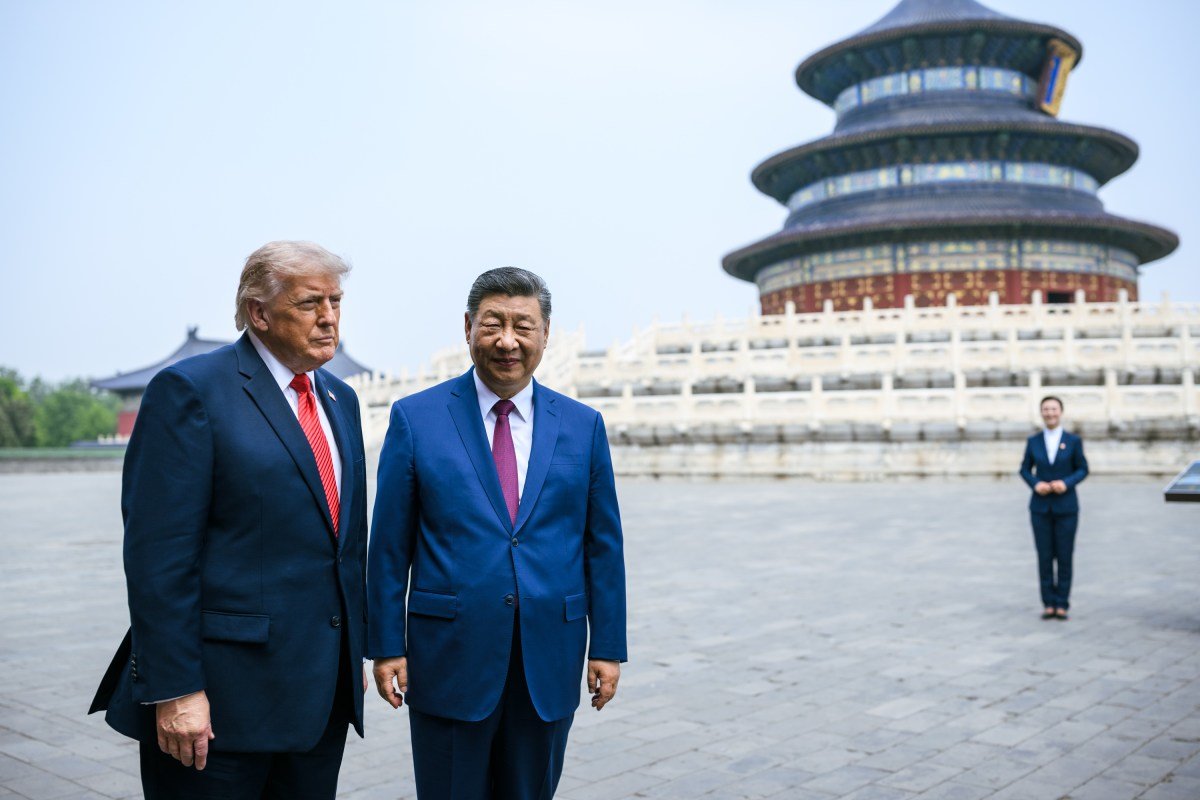
ACTOR-DRIVEN diplomacy framed the high-profile visit by President Donald Trump to the Temple of Heaven in Beijing, where ceremonial optics and political signaling intersected with ongoing U.S.–China negotiations over trade, security, and strategic competition.
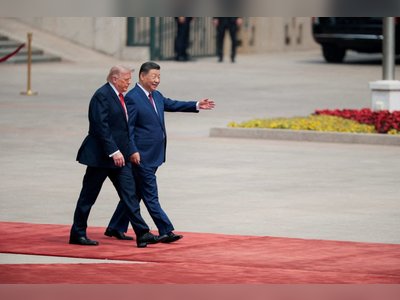
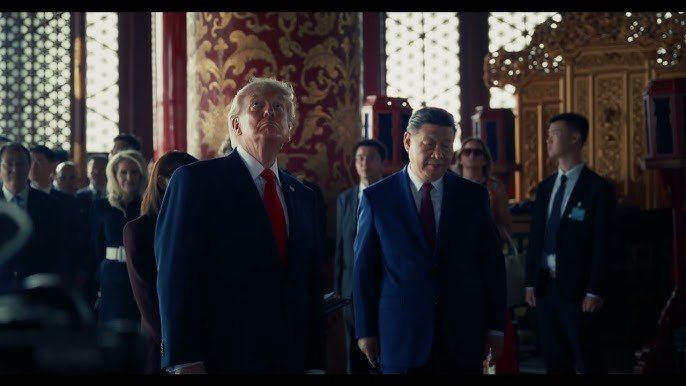
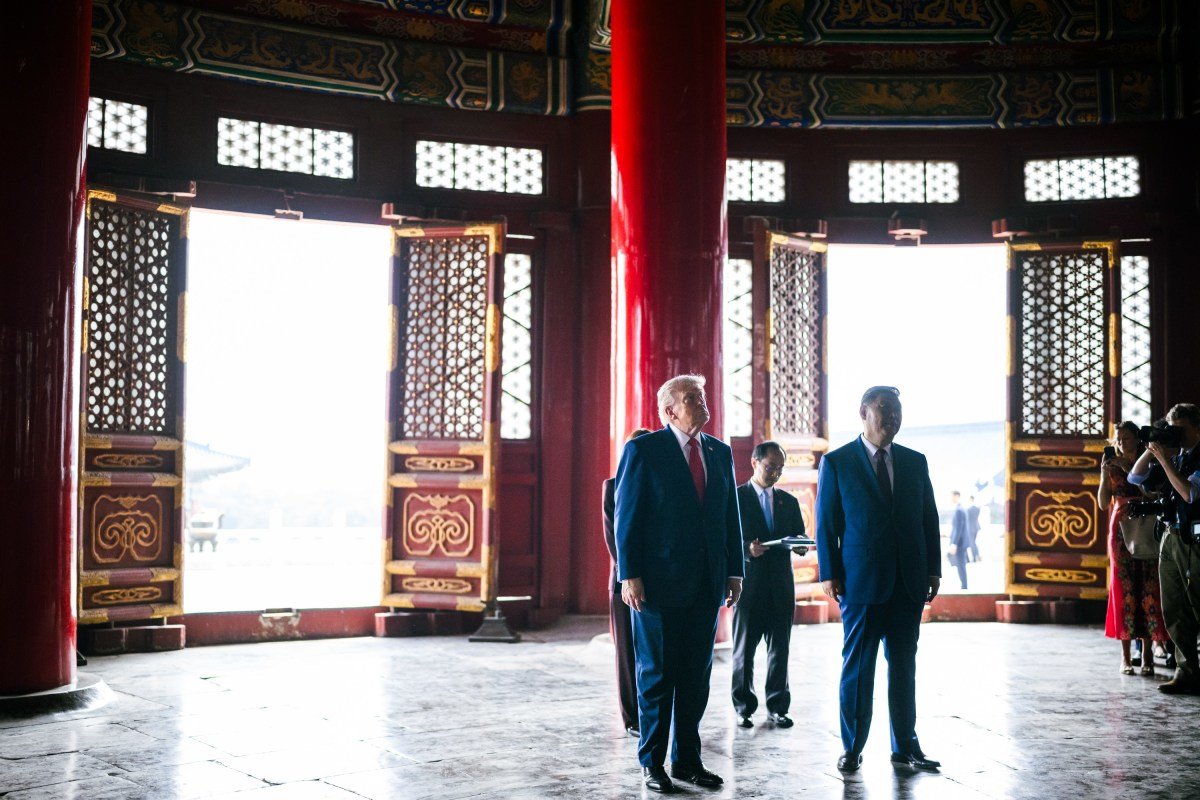
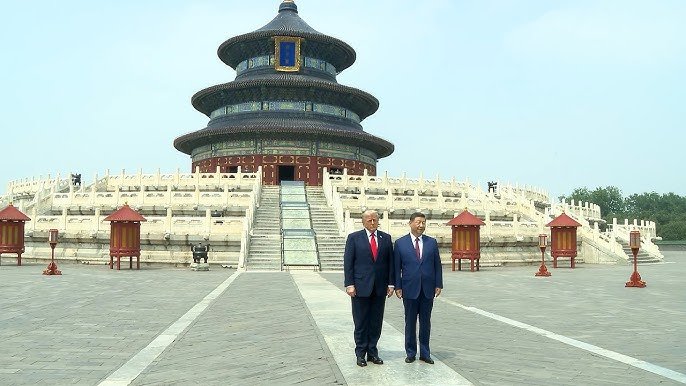
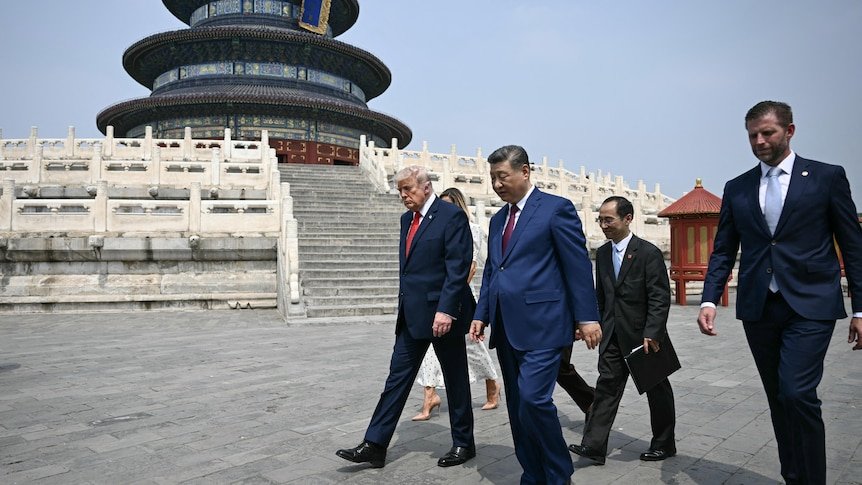
What is confirmed is that Trump attended a staged state visit in Beijing that included a tour of the Temple of Heaven, one of China’s most historically significant imperial-era complexes.
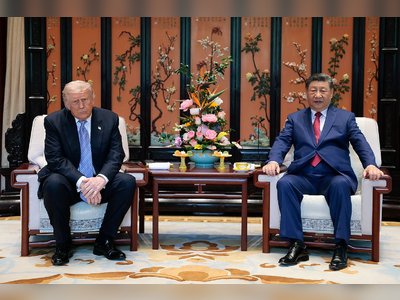
The visit was part of a broader diplomatic itinerary involving meetings with Chinese President Xi Jinping and senior Chinese officials, set against a backdrop of strained but economically critical bilateral relations.
The Temple of Heaven, originally constructed in the fifteenth century during the Ming dynasty, has long been used by Chinese leaders as a symbolic venue for showcasing national continuity, cultural heritage, and centralized authority.
Its use in modern state diplomacy is deliberate: foreign leaders are often brought to such sites as part of a carefully managed narrative about China’s historical depth and contemporary global status.
The visit took place during a period of heightened tension between the United States and China over tariffs, technology restrictions, military posture in the Indo-Pacific, and broader economic competition.
While ceremonial events such as the Temple of Heaven tour are not policy negotiations themselves, they are frequently used to frame the tone of diplomatic engagement and signal mutual recognition at the highest political level.
For China, the optics of hosting a U.S. president at a landmark associated with imperial legitimacy serve a dual purpose: reinforcing domestic narratives of national prestige while projecting parity with the United States on the global stage.
For Washington, participation in such events is typically weighed against concerns that symbolic gestures may be interpreted as political concessions if not paired with substantive policy gains.
The broader diplomatic context remains defined by unresolved issues in trade balance negotiations, technology export controls, and security disputes in the South China Sea and around Taiwan.
These structural tensions persist regardless of ceremonial engagement, meaning that high-visibility visits often function more as messaging tools than as indicators of policy breakthroughs.
Analysts of U.S.–China relations note that state visits of this kind are tightly scripted and rarely spontaneous.
Every element—from site selection to media framing—is coordinated to maximize strategic messaging.
In this case, the Temple of Heaven stop reinforced China’s emphasis on historical continuity and global stature, while providing a controlled environment for diplomatic optics during a sensitive phase in bilateral relations.
The visit underscores a recurring pattern in modern great-power diplomacy: symbolic venues are used to shape perception even when substantive negotiations remain constrained.
As both governments continue to navigate economic interdependence and strategic rivalry, the balance between ceremony and policy remains a defining feature of the relationship.
What is confirmed is that Trump attended a staged state visit in Beijing that included a tour of the Temple of Heaven, one of China’s most historically significant imperial-era complexes.
The visit was part of a broader diplomatic itinerary involving meetings with Chinese President Xi Jinping and senior Chinese officials, set against a backdrop of strained but economically critical bilateral relations.
The Temple of Heaven, originally constructed in the fifteenth century during the Ming dynasty, has long been used by Chinese leaders as a symbolic venue for showcasing national continuity, cultural heritage, and centralized authority.
Its use in modern state diplomacy is deliberate: foreign leaders are often brought to such sites as part of a carefully managed narrative about China’s historical depth and contemporary global status.
The visit took place during a period of heightened tension between the United States and China over tariffs, technology restrictions, military posture in the Indo-Pacific, and broader economic competition.
While ceremonial events such as the Temple of Heaven tour are not policy negotiations themselves, they are frequently used to frame the tone of diplomatic engagement and signal mutual recognition at the highest political level.
For China, the optics of hosting a U.S. president at a landmark associated with imperial legitimacy serve a dual purpose: reinforcing domestic narratives of national prestige while projecting parity with the United States on the global stage.
For Washington, participation in such events is typically weighed against concerns that symbolic gestures may be interpreted as political concessions if not paired with substantive policy gains.
The broader diplomatic context remains defined by unresolved issues in trade balance negotiations, technology export controls, and security disputes in the South China Sea and around Taiwan.
These structural tensions persist regardless of ceremonial engagement, meaning that high-visibility visits often function more as messaging tools than as indicators of policy breakthroughs.
Analysts of U.S.–China relations note that state visits of this kind are tightly scripted and rarely spontaneous.
Every element—from site selection to media framing—is coordinated to maximize strategic messaging.
In this case, the Temple of Heaven stop reinforced China’s emphasis on historical continuity and global stature, while providing a controlled environment for diplomatic optics during a sensitive phase in bilateral relations.
The visit underscores a recurring pattern in modern great-power diplomacy: symbolic venues are used to shape perception even when substantive negotiations remain constrained.
As both governments continue to navigate economic interdependence and strategic rivalry, the balance between ceremony and policy remains a defining feature of the relationship.