Focus on the BIG picture.
Friday, May 22, 2026
Outside the box.

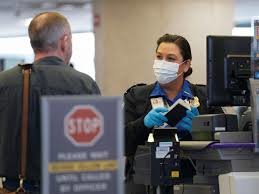
Enhanced Ebola Screening Introduced at Washington-Dulles Airport Amid Public Health Precaution Measures
US authorities tighten arrival monitoring at a major international hub as health agencies prepare for potential cross-border disease risks.
EVENT-DRIVEN public health precautions are being reinforced at Washington-Dulles International Airport, where enhanced screening measures for Ebola have been introduced as part of broader infectious disease preparedness protocols at major US entry points.
What is confirmed is that airport health screening procedures at Washington-Dulles International Airport, a key international gateway serving the Washington, D.C. region, have been upgraded to include additional monitoring for symptoms consistent with Ebola virus disease.
The changes are part of established federal public health response systems designed to detect and contain high-risk infectious diseases at points of entry.
Ebola virus disease is a severe and often fatal illness in humans, transmitted through direct contact with infected bodily fluids or contaminated materials.
Because of its high mortality rate and potential for rapid escalation in outbreak conditions, it is classified as a priority pathogen for international surveillance by global health authorities.
Screening at airports does not prevent all cases but is intended to identify symptomatic travelers early and trigger rapid medical evaluation.
The mechanism of enhanced screening typically involves a combination of passenger health questionnaires, temperature checks, and targeted secondary screening for individuals arriving from regions with known or suspected outbreaks.
These procedures are integrated into broader disease surveillance systems that link airport health units with national public health agencies and emergency response networks.
The decision to implement heightened screening reflects a precautionary approach rather than confirmation of widespread transmission risk in the United States.
Such measures are commonly activated when there is increased concern about international outbreaks or when health authorities seek to reinforce early detection capacity at major transit hubs.
Washington-Dulles Airport plays a significant role in international travel, handling long-haul flights connecting the United States with Africa, Europe, and other regions.
Its designation as a screening site reflects its volume of international arrivals and its strategic importance in national biosecurity planning.
The stakes involve both public health security and travel system stability.
Enhanced screening can improve early detection of rare but high-consequence diseases, but it also requires coordination to avoid unnecessary disruption to passenger flow.
Authorities must balance rapid identification of potential cases with maintaining efficient airport operations.
At a system level, the measure is part of a broader framework of post-pandemic global health preparedness, in which countries maintain layered defenses against infectious disease threats.
These include pre-departure monitoring in some countries, arrival-based screening at airports, and laboratory diagnostic capacity within domestic health systems.
The immediate consequence of the enhanced screening is increased monitoring of inbound passengers at Washington-Dulles for symptoms associated with Ebola, with health personnel positioned to initiate further medical evaluation if required.
The broader implication is the continued normalization of disease surveillance infrastructure at international airports as part of long-term global health security strategy.
What is confirmed is that airport health screening procedures at Washington-Dulles International Airport, a key international gateway serving the Washington, D.C. region, have been upgraded to include additional monitoring for symptoms consistent with Ebola virus disease.
The changes are part of established federal public health response systems designed to detect and contain high-risk infectious diseases at points of entry.
Ebola virus disease is a severe and often fatal illness in humans, transmitted through direct contact with infected bodily fluids or contaminated materials.
Because of its high mortality rate and potential for rapid escalation in outbreak conditions, it is classified as a priority pathogen for international surveillance by global health authorities.
Screening at airports does not prevent all cases but is intended to identify symptomatic travelers early and trigger rapid medical evaluation.
The mechanism of enhanced screening typically involves a combination of passenger health questionnaires, temperature checks, and targeted secondary screening for individuals arriving from regions with known or suspected outbreaks.
These procedures are integrated into broader disease surveillance systems that link airport health units with national public health agencies and emergency response networks.
The decision to implement heightened screening reflects a precautionary approach rather than confirmation of widespread transmission risk in the United States.
Such measures are commonly activated when there is increased concern about international outbreaks or when health authorities seek to reinforce early detection capacity at major transit hubs.
Washington-Dulles Airport plays a significant role in international travel, handling long-haul flights connecting the United States with Africa, Europe, and other regions.
Its designation as a screening site reflects its volume of international arrivals and its strategic importance in national biosecurity planning.
The stakes involve both public health security and travel system stability.
Enhanced screening can improve early detection of rare but high-consequence diseases, but it also requires coordination to avoid unnecessary disruption to passenger flow.
Authorities must balance rapid identification of potential cases with maintaining efficient airport operations.
At a system level, the measure is part of a broader framework of post-pandemic global health preparedness, in which countries maintain layered defenses against infectious disease threats.
These include pre-departure monitoring in some countries, arrival-based screening at airports, and laboratory diagnostic capacity within domestic health systems.
The immediate consequence of the enhanced screening is increased monitoring of inbound passengers at Washington-Dulles for symptoms associated with Ebola, with health personnel positioned to initiate further medical evaluation if required.
The broader implication is the continued normalization of disease surveillance infrastructure at international airports as part of long-term global health security strategy.