
Focus on the BIG picture.
Thursday, Jun 25, 2026
Outside the box.

FBI’s Exclusive Control of ICE Shooting Inquiry Draws State Leaders’ Doubts Over Fairness
Minnesota officials and prosecutors warn that the federal-only investigation into the fatal ICE shooting may lack transparency and undermine trust
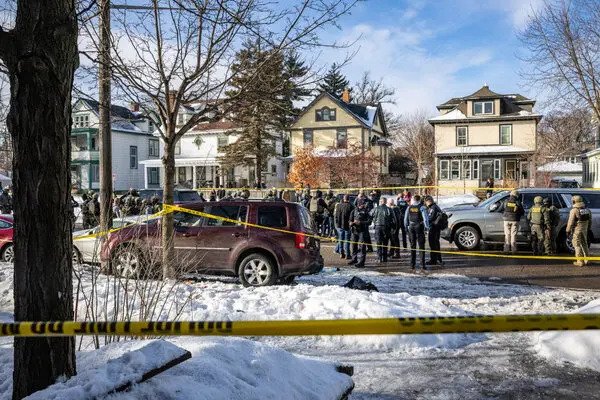
Local and state leaders in Minnesota have expressed serious doubts about the fairness and transparency of the Federal Bureau of Investigation’s handling of the inquiry into the fatal shooting of Renee Nicole Good by a U.S. Immigration and Customs Enforcement agent in Minneapolis, a case that has sparked nationwide protests and political controversy.
The FBI’s decision to exclude Minnesota’s Bureau of Criminal Apprehension from the investigation and restrict access to key evidence has intensified tensions between state authorities and the federal government.
The shooting occurred during a federal enforcement operation on January 7, when Good, a 37-year-old mother of three, was shot and killed.
Federal officials, including Vice President J.D. Vance and Homeland Security Secretary Kristi Noem, defended the agent’s actions as justified and accused Good of attempting to harm officers, while Minnesota officials have questioned that narrative and highlighted video that appears to contradict the federal account.
The U.S. Attorney’s Office subsequently barred state investigators from accessing critical materials, leaving the FBI as the sole investigative body.
Minnesota Governor Tim Walz and Hennepin County Attorney Mary Moriarty have both criticised the federal move, arguing that excluding state law enforcement undermines confidence in the investigation’s outcome and prevents an independent examination of the facts.
Walz said state participation was essential to ensure a “fair outcome,” while Moriarty has said that without access to evidence and interviews, the state cannot meet its investigative standards.
The governor and prosecutors have urged members of the public to share any independent video or eyewitness accounts to help supplement the probe.
Legal experts have noted that cases involving federal officers typically fall under federal jurisdiction, but they also underscored that cutting off state access to evidence is unusual and raises accountability concerns.
Critics warn that the federal-only approach could hinder efforts by state authorities to pursue any charges should they determine that the officer acted outside the scope of lawful duty.
The conflict highlights broader debates over federal immunity and oversight, state rights in policing deaths involving federal agents, and the degree of cooperation necessary for credible investigations.
The dispute has occurred amid widespread public outrage over the shooting, with protests erupting in Minneapolis and beyond and renewed calls for reform in immigration enforcement practices.
As the inquiry continues, state leaders say the path to public trust lies in greater openness, collaborative investigation efforts and a clear demonstration that all facts will be thoroughly examined.
The FBI’s decision to exclude Minnesota’s Bureau of Criminal Apprehension from the investigation and restrict access to key evidence has intensified tensions between state authorities and the federal government.
The shooting occurred during a federal enforcement operation on January 7, when Good, a 37-year-old mother of three, was shot and killed.
Federal officials, including Vice President J.D. Vance and Homeland Security Secretary Kristi Noem, defended the agent’s actions as justified and accused Good of attempting to harm officers, while Minnesota officials have questioned that narrative and highlighted video that appears to contradict the federal account.
The U.S. Attorney’s Office subsequently barred state investigators from accessing critical materials, leaving the FBI as the sole investigative body.
Minnesota Governor Tim Walz and Hennepin County Attorney Mary Moriarty have both criticised the federal move, arguing that excluding state law enforcement undermines confidence in the investigation’s outcome and prevents an independent examination of the facts.
Walz said state participation was essential to ensure a “fair outcome,” while Moriarty has said that without access to evidence and interviews, the state cannot meet its investigative standards.
The governor and prosecutors have urged members of the public to share any independent video or eyewitness accounts to help supplement the probe.
Legal experts have noted that cases involving federal officers typically fall under federal jurisdiction, but they also underscored that cutting off state access to evidence is unusual and raises accountability concerns.
Critics warn that the federal-only approach could hinder efforts by state authorities to pursue any charges should they determine that the officer acted outside the scope of lawful duty.
The conflict highlights broader debates over federal immunity and oversight, state rights in policing deaths involving federal agents, and the degree of cooperation necessary for credible investigations.
The dispute has occurred amid widespread public outrage over the shooting, with protests erupting in Minneapolis and beyond and renewed calls for reform in immigration enforcement practices.
As the inquiry continues, state leaders say the path to public trust lies in greater openness, collaborative investigation efforts and a clear demonstration that all facts will be thoroughly examined.