Focus on the BIG picture.
Wednesday, Mar 11, 2026
Outside the box.

0:00
0:00
Why Congress Continues to Expand Presidential Authority Under Donald Trump
Political alignment, legal delegation, and institutional inertia have allowed the executive branch to exercise broader powers during Trump’s presidency.
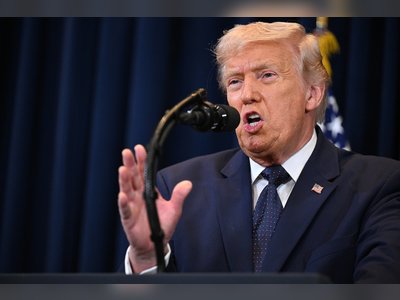
The balance of power between the United States Congress and the presidency has come under renewed scrutiny as lawmakers increasingly permit President Donald Trump to exercise authority traditionally associated with the legislative branch.
The U.S. Constitution assigns Congress the responsibility for making laws, controlling government spending and setting tariffs.
Yet in recent years, Congress has repeatedly passed laws that delegate substantial decision-making authority to the executive branch, enabling presidents to act quickly on issues such as trade policy, national emergencies and foreign affairs.
These delegations have allowed Trump to pursue sweeping policy initiatives through executive action rather than lengthy legislative negotiations.
One example involves trade policy.
Although the Constitution grants Congress the authority to impose tariffs, lawmakers over decades have passed statutes allowing presidents to impose temporary trade restrictions in response to national emergencies or economic disruptions.
Trump has relied heavily on these authorities to introduce broad tariffs as part of his economic agenda.
Courts have sometimes pushed back, including a recent Supreme Court ruling that struck down tariffs issued under emergency powers and reaffirmed that the core taxing authority belongs to Congress.
However, the legal framework that Congress previously enacted continues to give presidents considerable room to maneuver in trade disputes and negotiations.
Political dynamics also help explain congressional deference.
In periods when the same political party controls both Congress and the White House, lawmakers often hesitate to challenge a president from their own party.
Analysts note that partisanship can shift the incentive structure for legislators, encouraging them to support a president’s initiatives rather than assert institutional authority.
As a result, the system of checks and balances envisioned by the Constitution can become less confrontational when political alignment exists between branches.
Institutional factors further reinforce this pattern.
Congress is a large and complex body where legislation frequently requires months of negotiation.
Delegating authority to the executive branch can allow lawmakers to respond more quickly to international crises, trade disputes or national security concerns.
Over time, this practice has created a legal architecture in which presidents of both parties possess a wide range of emergency and regulatory powers.
The Trump administration has used these tools assertively, issuing numerous executive directives and invoking statutory powers to shape policy on trade, foreign affairs and regulatory oversight.
Supporters argue that such actions demonstrate decisive leadership and enable rapid responses to economic or geopolitical challenges.
Others believe Congress should reclaim more authority to ensure stronger institutional checks.
Some lawmakers have begun discussing measures aimed at restoring greater congressional oversight.
Proposed legislation would require presidents to seek explicit approval from Congress for certain trade actions or emergency economic measures after a limited period.
Whether such reforms gain traction remains uncertain.
The ongoing debate highlights a long-standing tension within American governance: while Congress formally holds many of the nation’s most significant powers, the practical realities of modern politics often encourage lawmakers to grant presidents greater discretion to act.
The U.S. Constitution assigns Congress the responsibility for making laws, controlling government spending and setting tariffs.
Yet in recent years, Congress has repeatedly passed laws that delegate substantial decision-making authority to the executive branch, enabling presidents to act quickly on issues such as trade policy, national emergencies and foreign affairs.
These delegations have allowed Trump to pursue sweeping policy initiatives through executive action rather than lengthy legislative negotiations.
One example involves trade policy.
Although the Constitution grants Congress the authority to impose tariffs, lawmakers over decades have passed statutes allowing presidents to impose temporary trade restrictions in response to national emergencies or economic disruptions.
Trump has relied heavily on these authorities to introduce broad tariffs as part of his economic agenda.
Courts have sometimes pushed back, including a recent Supreme Court ruling that struck down tariffs issued under emergency powers and reaffirmed that the core taxing authority belongs to Congress.
However, the legal framework that Congress previously enacted continues to give presidents considerable room to maneuver in trade disputes and negotiations.
Political dynamics also help explain congressional deference.
In periods when the same political party controls both Congress and the White House, lawmakers often hesitate to challenge a president from their own party.
Analysts note that partisanship can shift the incentive structure for legislators, encouraging them to support a president’s initiatives rather than assert institutional authority.
As a result, the system of checks and balances envisioned by the Constitution can become less confrontational when political alignment exists between branches.
Institutional factors further reinforce this pattern.
Congress is a large and complex body where legislation frequently requires months of negotiation.
Delegating authority to the executive branch can allow lawmakers to respond more quickly to international crises, trade disputes or national security concerns.
Over time, this practice has created a legal architecture in which presidents of both parties possess a wide range of emergency and regulatory powers.
The Trump administration has used these tools assertively, issuing numerous executive directives and invoking statutory powers to shape policy on trade, foreign affairs and regulatory oversight.
Supporters argue that such actions demonstrate decisive leadership and enable rapid responses to economic or geopolitical challenges.
Others believe Congress should reclaim more authority to ensure stronger institutional checks.
Some lawmakers have begun discussing measures aimed at restoring greater congressional oversight.
Proposed legislation would require presidents to seek explicit approval from Congress for certain trade actions or emergency economic measures after a limited period.
Whether such reforms gain traction remains uncertain.
The ongoing debate highlights a long-standing tension within American governance: while Congress formally holds many of the nation’s most significant powers, the practical realities of modern politics often encourage lawmakers to grant presidents greater discretion to act.