Focus on the BIG picture.
Saturday, Jan 10, 2026
Outside the box.

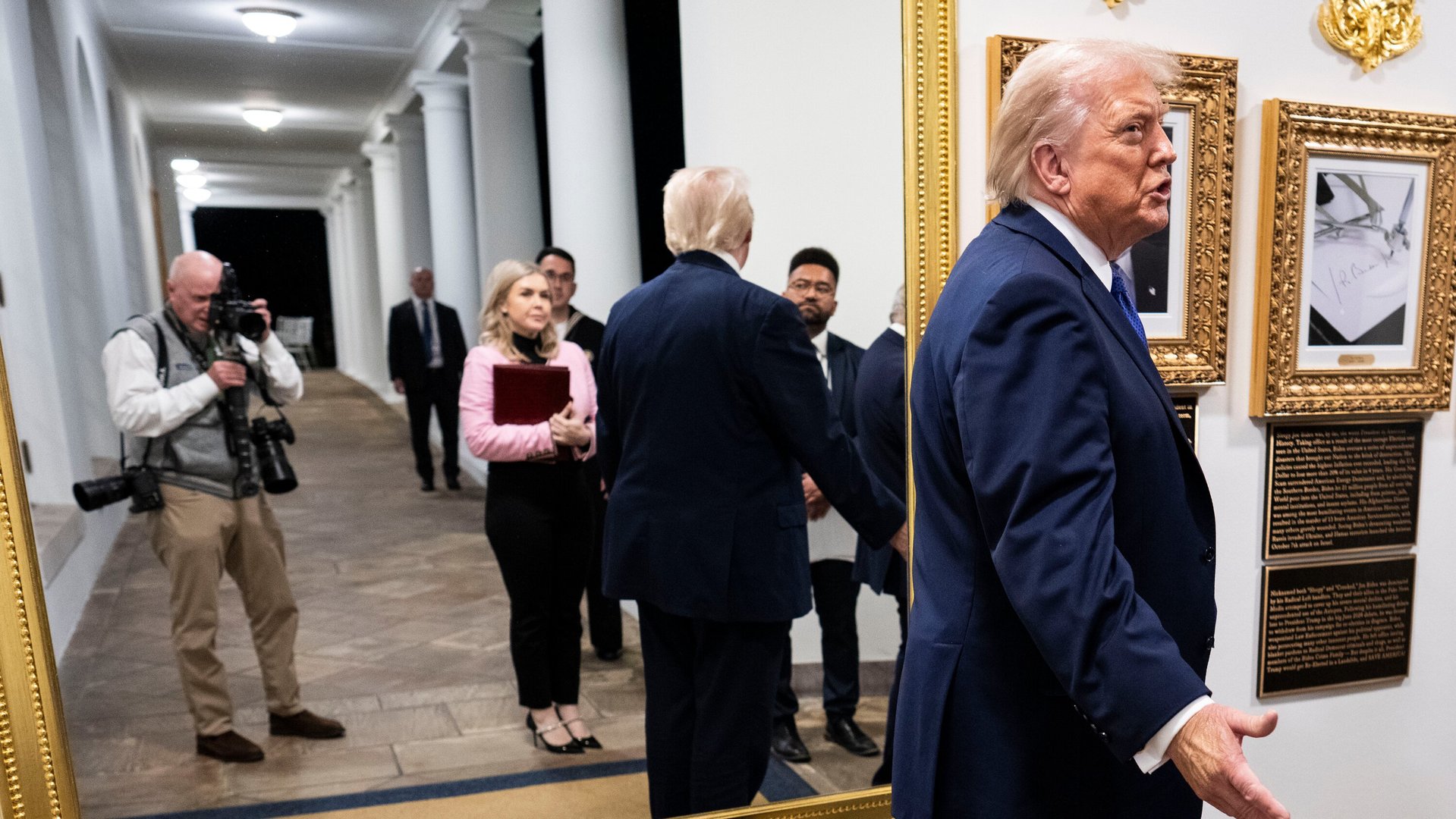
Inside the Lens: How the White House Photographer Captures the Oval Office’s Evolving Portrait
Chief White House photographer discusses his craft and the visual documentation of presidential history and space
In the second term of President Donald J. Trump, the role of the White House photographer has taken on renewed prominence as the chronicler of both formal diplomacy and the evolving visual narrative of the presidency.
The chief official photographer, Daniel Torok, a former filmmaker and Coast Guard veteran appointed in 2025, continues a lineage of presidential photographers whose work shapes how history is visually recorded inside the White House.
Torok’s position, a senior role appointed directly by the president to document official duties, places him at the center of capturing moments in the Oval Office and beyond as they unfold.
His photographs serve as enduring records of presidential actions, ceremonies and symbolic settings.
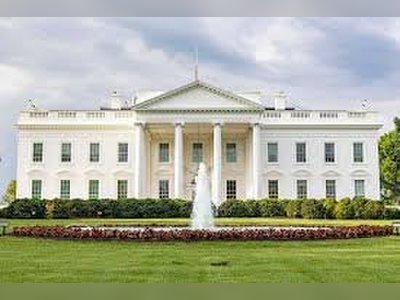
Photographing the Oval Office — the most photographed room in American political life — requires balancing historical continuity with the dynamics of the current administration’s agenda and style.
As chief photographer, Torok has applied a thoughtful approach to framing presidential portraits and official imagery, often employing dramatic lighting and composition that reflect the unique brand and messaging priorities of President Trump’s leadership.
His official portrait of the president, released in 2025, departed from decades of photographic conventions with distinctive lighting and tonal choices that garnered attention across the photography community and underscored the role of presidential imagery in conveying authority and intent.
Photographers in the White House tradition, from Yoichi Okamoto and Pete Souza to Torok today, see their work as visual history in the making.
They strive to document not only official acts but the character of the presidency itself, blending technical precision with moments that capture the broader essence of leadership.
Despite changing styles and aesthetic choices across administrations, the mission remains consistent: to record the narrative of the nation’s highest office in photographs that future generations will examine and interpret.
The chief official photographer, Daniel Torok, a former filmmaker and Coast Guard veteran appointed in 2025, continues a lineage of presidential photographers whose work shapes how history is visually recorded inside the White House.
Torok’s position, a senior role appointed directly by the president to document official duties, places him at the center of capturing moments in the Oval Office and beyond as they unfold.
His photographs serve as enduring records of presidential actions, ceremonies and symbolic settings.
Photographing the Oval Office — the most photographed room in American political life — requires balancing historical continuity with the dynamics of the current administration’s agenda and style.
As chief photographer, Torok has applied a thoughtful approach to framing presidential portraits and official imagery, often employing dramatic lighting and composition that reflect the unique brand and messaging priorities of President Trump’s leadership.
His official portrait of the president, released in 2025, departed from decades of photographic conventions with distinctive lighting and tonal choices that garnered attention across the photography community and underscored the role of presidential imagery in conveying authority and intent.
Photographers in the White House tradition, from Yoichi Okamoto and Pete Souza to Torok today, see their work as visual history in the making.
They strive to document not only official acts but the character of the presidency itself, blending technical precision with moments that capture the broader essence of leadership.
Despite changing styles and aesthetic choices across administrations, the mission remains consistent: to record the narrative of the nation’s highest office in photographs that future generations will examine and interpret.