Focus on the BIG picture.
Saturday, May 02, 2026
Outside the box.

Major AI Firms Agree to Expand Pentagon Partnerships on Classified Data Work
Leading artificial intelligence companies are moving closer to U.S. defense infrastructure as military demand for secure AI systems accelerates
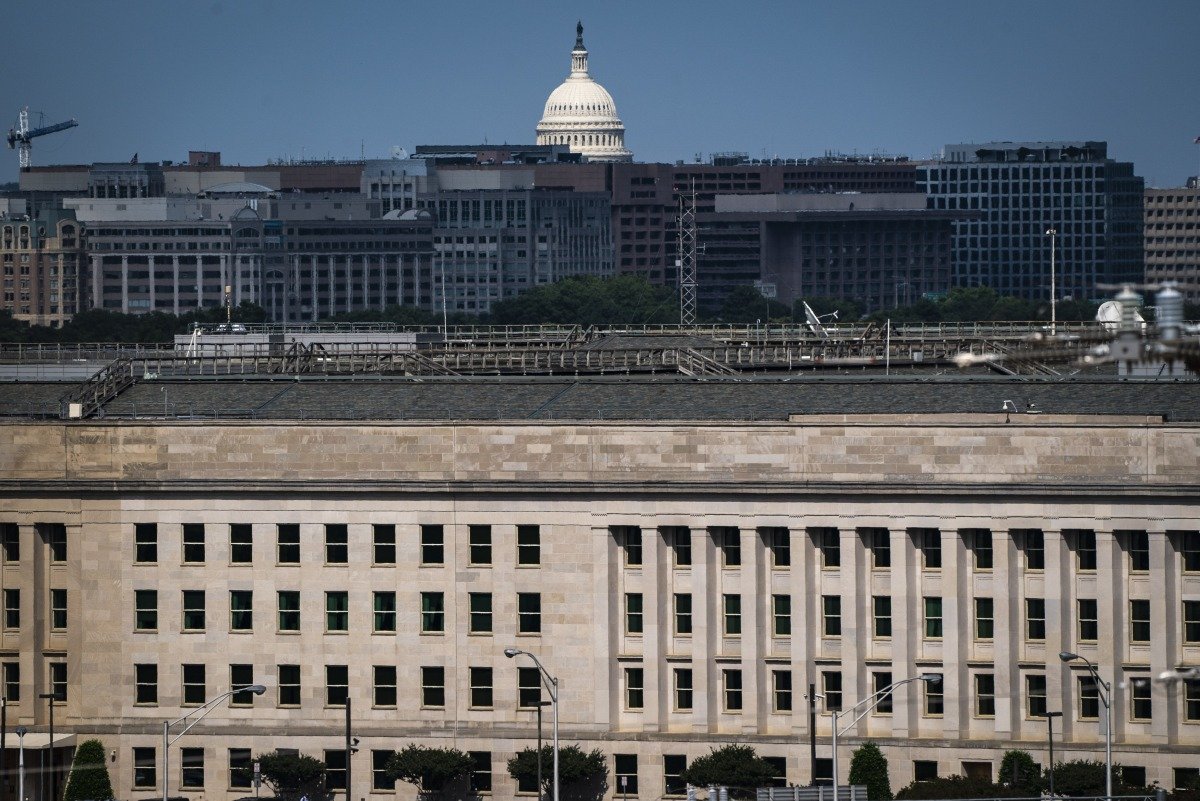
An expanding set of major artificial intelligence companies has agreed to deepen cooperation with the U.S. Department of Defense on projects involving sensitive and potentially classified data, marking a significant step in the integration of advanced AI systems into national security operations.
What is confirmed is that leading commercial AI developers are now engaging in structured agreements that allow their systems to be used in controlled defense environments, including workloads that involve restricted or classified information.
The move reflects a broader shift in U.S. defense strategy, which increasingly views frontier AI capabilities as essential to intelligence analysis, logistics planning, cybersecurity, and battlefield decision support.
The development is driven by the rapid advancement of large language models and multimodal AI systems capable of processing vast quantities of unstructured data.
Defense agencies have identified these tools as potentially transformative for tasks such as intelligence synthesis, threat detection, and operational planning, where speed and scale of analysis can directly affect outcomes.
The agreements do not generally involve unrestricted access to military databases.
Instead, they are structured around secure environments where AI systems can be deployed under strict controls, often involving air-gapped systems or government-managed infrastructure.
This approach is designed to balance operational security with the computational advantages of commercial AI models.
The collaboration also reflects a broader policy shift within the United States government toward closer integration with private technology firms.
Over the past several years, defense and intelligence agencies have increasingly relied on commercial cloud providers and AI developers to modernize legacy systems and improve analytical capabilities.
At the same time, the partnership raises concerns about data security, model behavior under sensitive conditions, and the long-term governance of AI systems used in military contexts.
One key issue is ensuring that commercial models do not inadvertently expose classified information or behave unpredictably when exposed to highly sensitive datasets.
Another major consideration is dependency.
As defense agencies rely more heavily on private AI systems, questions arise about vendor lock-in, supply chain security, and the extent to which critical national security capabilities may depend on a small number of private firms.
The implications extend beyond the United States.
Other major powers are simultaneously accelerating their own military AI programs, increasing global competition in defense-related artificial intelligence.
This creates pressure to deploy advanced systems quickly, even as regulatory and ethical frameworks remain underdeveloped.
The emerging arrangement signals a structural shift in how military power is supported by technology.
Rather than developing AI exclusively in-house, defense institutions are increasingly embedding commercial systems into sensitive workflows, reshaping the relationship between Silicon Valley and national security infrastructure.
The result is a tightening integration between cutting-edge AI development and state defense operations, with long-term consequences for how military decisions are analyzed, supported, and potentially executed in future conflicts.
What is confirmed is that leading commercial AI developers are now engaging in structured agreements that allow their systems to be used in controlled defense environments, including workloads that involve restricted or classified information.
The move reflects a broader shift in U.S. defense strategy, which increasingly views frontier AI capabilities as essential to intelligence analysis, logistics planning, cybersecurity, and battlefield decision support.
The development is driven by the rapid advancement of large language models and multimodal AI systems capable of processing vast quantities of unstructured data.
Defense agencies have identified these tools as potentially transformative for tasks such as intelligence synthesis, threat detection, and operational planning, where speed and scale of analysis can directly affect outcomes.
The agreements do not generally involve unrestricted access to military databases.
Instead, they are structured around secure environments where AI systems can be deployed under strict controls, often involving air-gapped systems or government-managed infrastructure.
This approach is designed to balance operational security with the computational advantages of commercial AI models.
The collaboration also reflects a broader policy shift within the United States government toward closer integration with private technology firms.
Over the past several years, defense and intelligence agencies have increasingly relied on commercial cloud providers and AI developers to modernize legacy systems and improve analytical capabilities.
At the same time, the partnership raises concerns about data security, model behavior under sensitive conditions, and the long-term governance of AI systems used in military contexts.
One key issue is ensuring that commercial models do not inadvertently expose classified information or behave unpredictably when exposed to highly sensitive datasets.
Another major consideration is dependency.
As defense agencies rely more heavily on private AI systems, questions arise about vendor lock-in, supply chain security, and the extent to which critical national security capabilities may depend on a small number of private firms.
The implications extend beyond the United States.
Other major powers are simultaneously accelerating their own military AI programs, increasing global competition in defense-related artificial intelligence.
This creates pressure to deploy advanced systems quickly, even as regulatory and ethical frameworks remain underdeveloped.
The emerging arrangement signals a structural shift in how military power is supported by technology.
Rather than developing AI exclusively in-house, defense institutions are increasingly embedding commercial systems into sensitive workflows, reshaping the relationship between Silicon Valley and national security infrastructure.
The result is a tightening integration between cutting-edge AI development and state defense operations, with long-term consequences for how military decisions are analyzed, supported, and potentially executed in future conflicts.