Focus on the BIG picture.
Saturday, May 02, 2026
Outside the box.

Trump’s Iran War Drives Sharp Decline in Public Support, Poll Suggests
Survey data indicates rising disapproval of U.S. military escalation, with sentiment approaching levels seen during Iraq and Vietnam-era conflicts
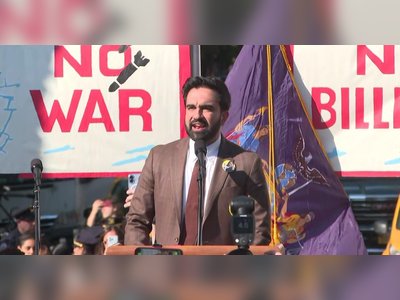
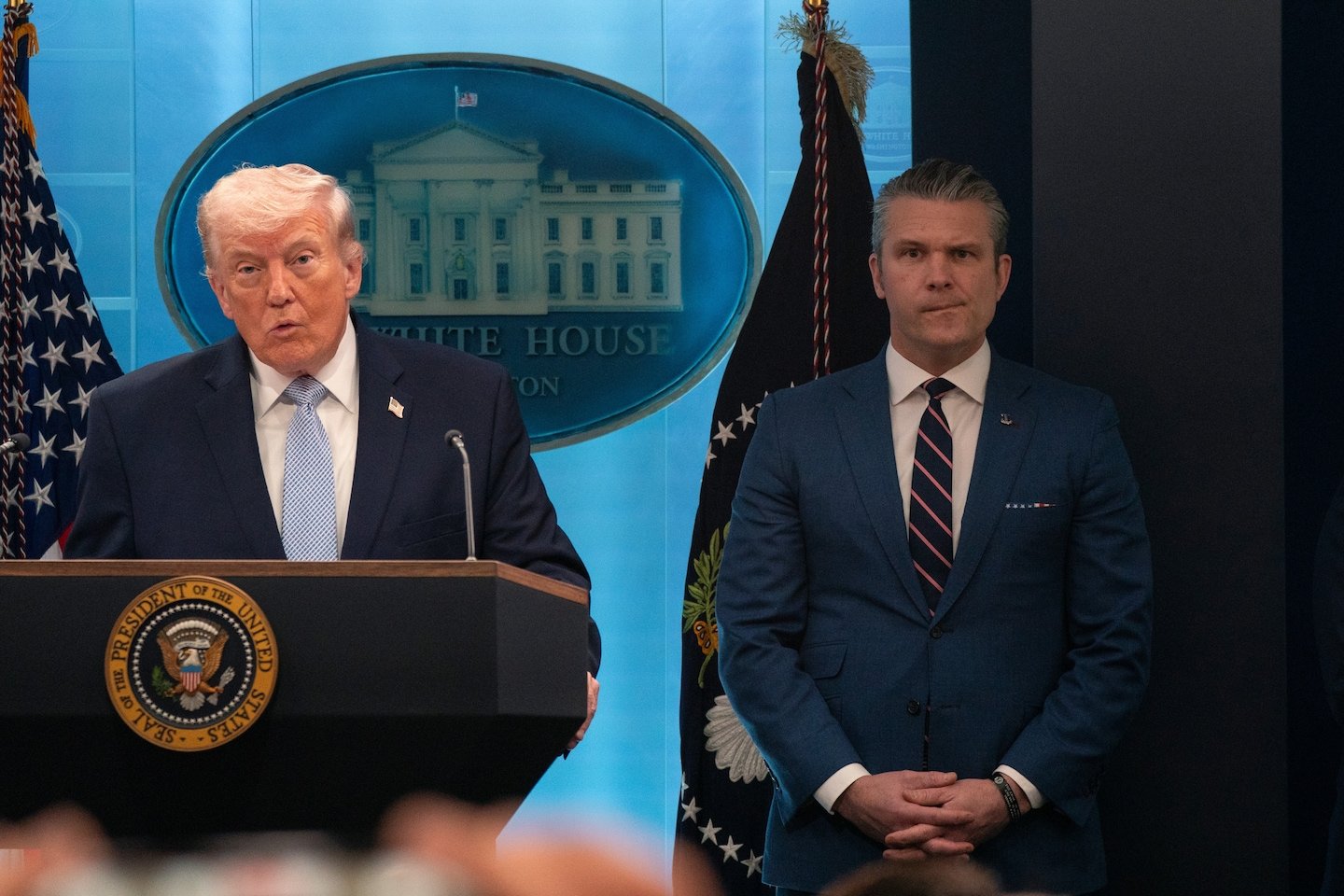
Public opinion polling indicating declining support for the United States’ military confrontation with Iran has highlighted growing domestic resistance to escalation and renewed debate over the political sustainability of prolonged foreign conflict.
The survey referenced in recent reporting compares current disapproval levels with historical benchmarks associated with major U.S. wars, including Iraq and Vietnam, periods widely recognized for long-term erosion of public trust in military intervention.
What is confirmed is that a majority of respondents expressed opposition to continued or expanded U.S. military involvement in Iran-related operations, signaling a significant shift in public sentiment as the conflict intensifies.
The term “Iran war” in this context refers to a series of escalating military and strategic confrontations involving the United States and Iran or Iranian-aligned forces, including strikes, retaliatory attacks, and regional proxy conflicts.
The framing reflects an ongoing escalation cycle rather than a formally declared war, but public perception increasingly treats the situation as sustained armed conflict.
The mechanism behind the decline in support follows a pattern observed in previous U.S. foreign engagements: initial political backing for deterrence or limited strikes gives way to concern over duration, cost, and escalation risk.
As military operations expand in scope, public tolerance typically decreases, especially when objectives remain ambiguous or risks of regional spillover increase.
The comparison to Iraq and Vietnam-era disapproval levels is significant because those conflicts became defining examples of prolonged military engagement with diminishing domestic legitimacy.
In both historical cases, early support eroded as casualties mounted, strategic goals shifted, and public skepticism increased regarding government framing of progress and necessity.
Current polling trends also reflect broader divisions within U.S. political alignment.
Support for military action tends to vary sharply by party affiliation, age group, and media consumption patterns.
However, the aggregate direction in the data indicates rising caution across multiple demographics, particularly among younger respondents and independent voters.
The implications for policy are substantial.
Sustained low approval for military engagement can constrain executive decision-making, shape congressional oversight behavior, and influence defense strategy calculations.
In democratic systems, prolonged foreign conflict with declining public support historically increases pressure for de-escalation, negotiation, or redefinition of mission objectives.
At the same time, geopolitical constraints limit rapid disengagement.
Iran’s regional network of alliances and proxy forces, combined with strategic competition in the Middle East, means that U.S. policy options remain tied to deterrence commitments, alliance obligations, and energy security considerations.
The emerging picture is one of growing tension between strategic escalation dynamics abroad and political tolerance at home.
While military operations continue, domestic approval trends suggest that sustaining long-term engagement without clear resolution will become increasingly difficult for policymakers, reinforcing the cyclical pattern seen in prior major U.S. conflicts.
The survey referenced in recent reporting compares current disapproval levels with historical benchmarks associated with major U.S. wars, including Iraq and Vietnam, periods widely recognized for long-term erosion of public trust in military intervention.
What is confirmed is that a majority of respondents expressed opposition to continued or expanded U.S. military involvement in Iran-related operations, signaling a significant shift in public sentiment as the conflict intensifies.
The term “Iran war” in this context refers to a series of escalating military and strategic confrontations involving the United States and Iran or Iranian-aligned forces, including strikes, retaliatory attacks, and regional proxy conflicts.
The framing reflects an ongoing escalation cycle rather than a formally declared war, but public perception increasingly treats the situation as sustained armed conflict.
The mechanism behind the decline in support follows a pattern observed in previous U.S. foreign engagements: initial political backing for deterrence or limited strikes gives way to concern over duration, cost, and escalation risk.
As military operations expand in scope, public tolerance typically decreases, especially when objectives remain ambiguous or risks of regional spillover increase.
The comparison to Iraq and Vietnam-era disapproval levels is significant because those conflicts became defining examples of prolonged military engagement with diminishing domestic legitimacy.
In both historical cases, early support eroded as casualties mounted, strategic goals shifted, and public skepticism increased regarding government framing of progress and necessity.
Current polling trends also reflect broader divisions within U.S. political alignment.
Support for military action tends to vary sharply by party affiliation, age group, and media consumption patterns.
However, the aggregate direction in the data indicates rising caution across multiple demographics, particularly among younger respondents and independent voters.
The implications for policy are substantial.
Sustained low approval for military engagement can constrain executive decision-making, shape congressional oversight behavior, and influence defense strategy calculations.
In democratic systems, prolonged foreign conflict with declining public support historically increases pressure for de-escalation, negotiation, or redefinition of mission objectives.
At the same time, geopolitical constraints limit rapid disengagement.
Iran’s regional network of alliances and proxy forces, combined with strategic competition in the Middle East, means that U.S. policy options remain tied to deterrence commitments, alliance obligations, and energy security considerations.
The emerging picture is one of growing tension between strategic escalation dynamics abroad and political tolerance at home.
While military operations continue, domestic approval trends suggest that sustaining long-term engagement without clear resolution will become increasingly difficult for policymakers, reinforcing the cyclical pattern seen in prior major U.S. conflicts.