Focus on the BIG picture.
Saturday, May 02, 2026
Outside the box.

White House Navigates Iran Policy Without Congress as Political Pressure Intensifies
Executive decision-making on Iran is increasingly centralized in the White House, raising tensions over congressional oversight and U.S. war powers as regional risks escalate.
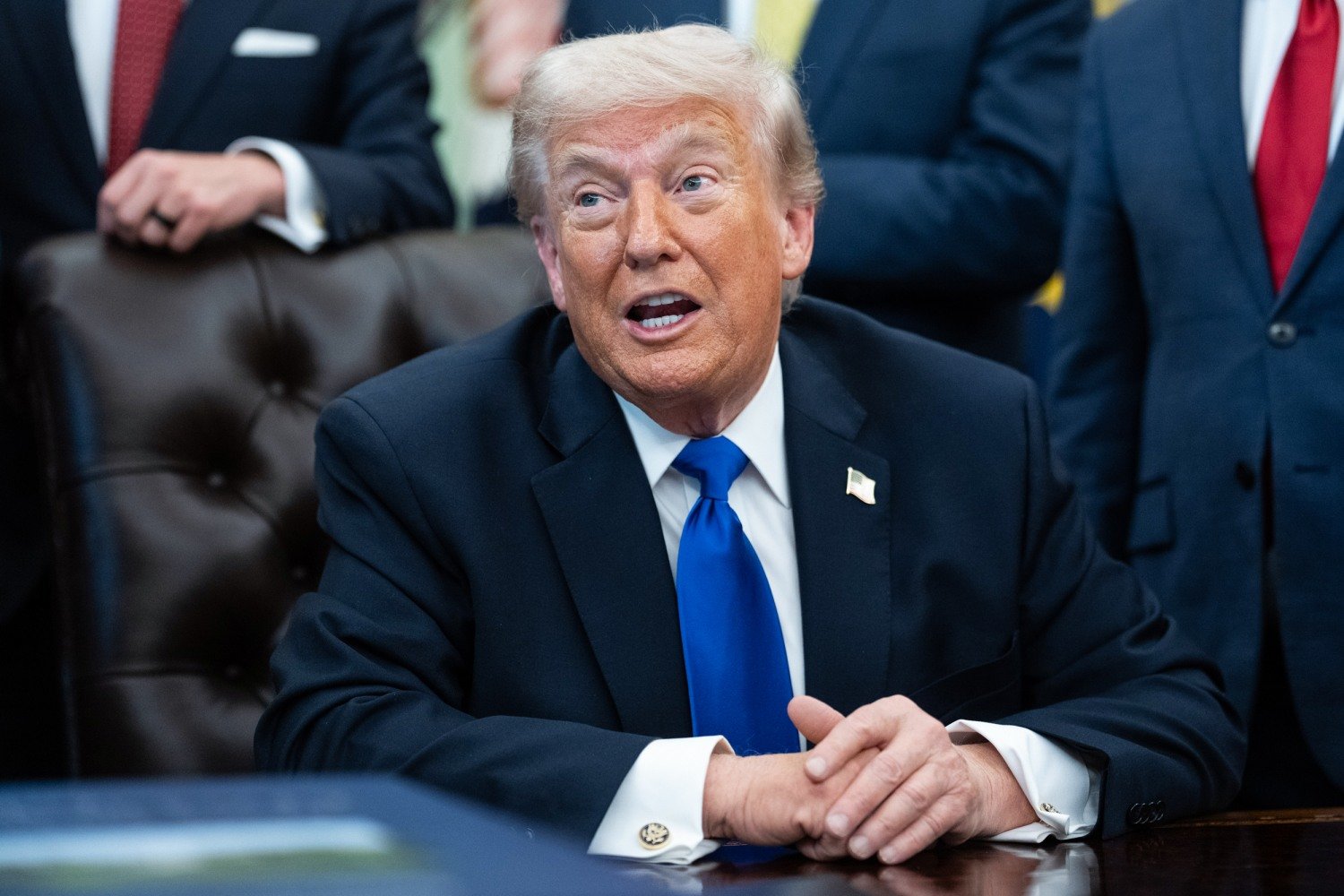
A SYSTEM-DRIVEN shift in U.S. foreign policy architecture is reshaping how decisions on Iran are made, as the White House increasingly relies on executive authority while limiting direct congressional involvement.
The core issue is not a single incident but the evolving balance of power between the executive branch and Congress over matters of war authorization, military escalation, and diplomatic constraints involving Iran.
What is confirmed is that senior administration officials have been coordinating Iran-related policy responses through the National Security Council and classified executive channels, rather than seeking broad congressional authorization for every operational adjustment.
This approach has become more pronounced amid heightened tensions in the Middle East, including maritime security risks, proxy conflicts involving Iran-aligned groups, and periodic military exchanges involving regional allies.
Congressional leaders from both parties have expressed concern that the executive branch is acting within an increasingly narrow interpretation of existing authorizations for the use of military force.
These authorizations, some dating back decades, have been used by multiple administrations to justify limited strikes and defensive operations without new votes in Congress.
Critics argue that this framework is being stretched beyond its original intent, particularly as the scope of Iran-related operations expands across multiple theaters.
The White House position emphasizes operational flexibility.
Officials argue that rapid response is necessary to deter escalation, protect U.S. personnel in the region, and manage unpredictable proxy conflicts.
In practice, this has meant that sensitive decisions — including retaliatory strikes, defensive deployments, and intelligence-driven operations — are often executed under existing executive authority rather than new legislative mandates.
Political pressure is intensifying because the issue intersects with broader domestic divisions over foreign intervention.
Some lawmakers are pushing for renewed debate on war powers legislation, seeking to reassert congressional authority over sustained military engagement.
Others argue that imposing procedural constraints could reduce the United States’ ability to respond quickly to imminent threats.
The dispute is also shaped by the broader geopolitical context.
Iran remains deeply embedded in regional conflicts through aligned armed groups, while tensions involving maritime security, nuclear oversight negotiations, and regional deterrence continue to fluctuate.
These overlapping pressures make clear delineation between defensive action and escalation more difficult, further complicating congressional oversight.
The current trajectory reflects a long-standing structural tension in U.S. governance: the executive branch’s capacity to act quickly in foreign crises versus Congress’s constitutional authority to declare and regulate war.
What is changing now is not the existence of that tension, but its frequency and intensity under conditions of persistent regional instability.
The immediate consequence is a more centralized decision-making process in the White House, paired with growing scrutiny from lawmakers who are signaling interest in reasserting legislative control over Iran-related military actions.
The core issue is not a single incident but the evolving balance of power between the executive branch and Congress over matters of war authorization, military escalation, and diplomatic constraints involving Iran.
What is confirmed is that senior administration officials have been coordinating Iran-related policy responses through the National Security Council and classified executive channels, rather than seeking broad congressional authorization for every operational adjustment.
This approach has become more pronounced amid heightened tensions in the Middle East, including maritime security risks, proxy conflicts involving Iran-aligned groups, and periodic military exchanges involving regional allies.
Congressional leaders from both parties have expressed concern that the executive branch is acting within an increasingly narrow interpretation of existing authorizations for the use of military force.
These authorizations, some dating back decades, have been used by multiple administrations to justify limited strikes and defensive operations without new votes in Congress.
Critics argue that this framework is being stretched beyond its original intent, particularly as the scope of Iran-related operations expands across multiple theaters.
The White House position emphasizes operational flexibility.
Officials argue that rapid response is necessary to deter escalation, protect U.S. personnel in the region, and manage unpredictable proxy conflicts.
In practice, this has meant that sensitive decisions — including retaliatory strikes, defensive deployments, and intelligence-driven operations — are often executed under existing executive authority rather than new legislative mandates.
Political pressure is intensifying because the issue intersects with broader domestic divisions over foreign intervention.
Some lawmakers are pushing for renewed debate on war powers legislation, seeking to reassert congressional authority over sustained military engagement.
Others argue that imposing procedural constraints could reduce the United States’ ability to respond quickly to imminent threats.
The dispute is also shaped by the broader geopolitical context.
Iran remains deeply embedded in regional conflicts through aligned armed groups, while tensions involving maritime security, nuclear oversight negotiations, and regional deterrence continue to fluctuate.
These overlapping pressures make clear delineation between defensive action and escalation more difficult, further complicating congressional oversight.
The current trajectory reflects a long-standing structural tension in U.S. governance: the executive branch’s capacity to act quickly in foreign crises versus Congress’s constitutional authority to declare and regulate war.
What is changing now is not the existence of that tension, but its frequency and intensity under conditions of persistent regional instability.
The immediate consequence is a more centralized decision-making process in the White House, paired with growing scrutiny from lawmakers who are signaling interest in reasserting legislative control over Iran-related military actions.