Focus on the BIG picture.
Wednesday, Mar 11, 2026
Outside the box.

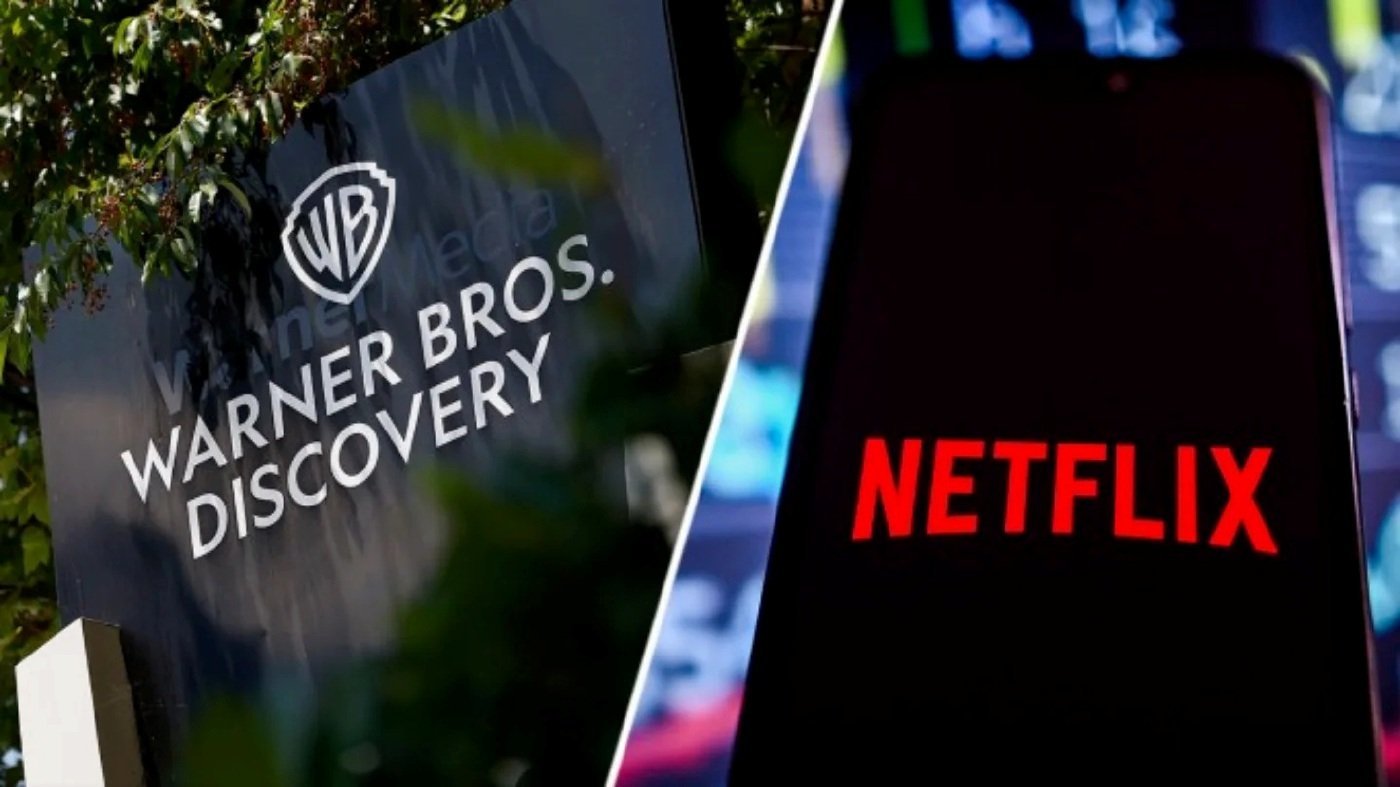
Netflix Agrees to Acquire Warner Bros. Discovery Studios and Streaming Units in $83 Billion Mega-Deal
Streaming giant wins bidding war, acquiring HBO, HBO Max, and iconic film and TV libraries — deal awaits regulatory approval
Netflix has won a fierce bidding contest for Warner Bros. Discovery (WBD), agreeing to acquire the company’s studios and streaming operations — including HBO Max, Warner Bros., and its vast film and television library — in a landmark cash-and-stock transaction valued at approximately US$82.7 billion in enterprise value (US$72.0 billion equity value).
Each WBD share will be acquired for US$27.75, according to the binding agreement announced on December 5, 2025. The deal is expected to close within the next 12 to 18 months, following WBD’s planned spin-off of its legacy cable networks unit, Discovery Global, by the third quarter of 2026.
Netflix emerged as the winning bidder after a competitive process that included offers from Paramount Skydance and Comcast.
Netflix’s bid focused on the studio and streaming assets, leaving cable-network properties such as CNN, TBS, and TNT to be spun off.
The agreement reflects Netflix’s ambition to combine its global streaming footprint and production infrastructure with Warner Bros.’ century-old content legacy — from blockbuster franchises to classic films and hit TV series.
Under the terms of the transaction, Warner Bros.’ film, television and video-game studios, plus HBO and HBO Max, DC Entertainment/DC Studios, and associated distribution, publishing, and licensing operations will come under Netflix’s ownership.
Discovery Global will comprise the company’s legacy linear networks and traditional television assets.
The acquisition is poised to reshape the media landscape.
Netflix co-CEO emphasised that the merger would allow the platform to offer expanded content libraries and accelerate original productions.
WBD’s CEO confirmed that HBO Max will continue as a standalone service, at least initially.
Analysts expect potential cost synergies of US$2 billion to US$3 billion by the third year after closing.
Netflix intends to finance the transaction — codenamed “Project Noble” — with a massive US$59 billion bridge loan led by Wells Fargo, supplemented by long-term bond issuances, new loan facilities and a revolving credit line.
The merger, however, also raises immediate antitrust concerns in the United States and abroad.
Regulators in the U.S. and Europe are expected to review the deal carefully, given the scale of consolidation in streaming and media production power.
Industry groups representing theaters and rival studios warn the transaction could diminish competition, reduce theatrical releases and threaten diversity in content distribution.
Nevertheless, Netflix argues the acquisition will enhance long-term consumer value through bundled offerings, broader content access, and sustained investment in production capacity.
As Netflix and Warner Bros navigate the regulatory process, the transaction stands as the most significant consolidation in the entertainment industry to date.
If approved, it will mark a transformative shift — uniting a streaming pioneer with Hollywood’s storied studio and content legacy into a single powerhouse.
Each WBD share will be acquired for US$27.75, according to the binding agreement announced on December 5, 2025. The deal is expected to close within the next 12 to 18 months, following WBD’s planned spin-off of its legacy cable networks unit, Discovery Global, by the third quarter of 2026.
Netflix emerged as the winning bidder after a competitive process that included offers from Paramount Skydance and Comcast.
Netflix’s bid focused on the studio and streaming assets, leaving cable-network properties such as CNN, TBS, and TNT to be spun off.
The agreement reflects Netflix’s ambition to combine its global streaming footprint and production infrastructure with Warner Bros.’ century-old content legacy — from blockbuster franchises to classic films and hit TV series.
Under the terms of the transaction, Warner Bros.’ film, television and video-game studios, plus HBO and HBO Max, DC Entertainment/DC Studios, and associated distribution, publishing, and licensing operations will come under Netflix’s ownership.
Discovery Global will comprise the company’s legacy linear networks and traditional television assets.
The acquisition is poised to reshape the media landscape.
Netflix co-CEO emphasised that the merger would allow the platform to offer expanded content libraries and accelerate original productions.
WBD’s CEO confirmed that HBO Max will continue as a standalone service, at least initially.
Analysts expect potential cost synergies of US$2 billion to US$3 billion by the third year after closing.
Netflix intends to finance the transaction — codenamed “Project Noble” — with a massive US$59 billion bridge loan led by Wells Fargo, supplemented by long-term bond issuances, new loan facilities and a revolving credit line.
The merger, however, also raises immediate antitrust concerns in the United States and abroad.
Regulators in the U.S. and Europe are expected to review the deal carefully, given the scale of consolidation in streaming and media production power.
Industry groups representing theaters and rival studios warn the transaction could diminish competition, reduce theatrical releases and threaten diversity in content distribution.
Nevertheless, Netflix argues the acquisition will enhance long-term consumer value through bundled offerings, broader content access, and sustained investment in production capacity.
As Netflix and Warner Bros navigate the regulatory process, the transaction stands as the most significant consolidation in the entertainment industry to date.
If approved, it will mark a transformative shift — uniting a streaming pioneer with Hollywood’s storied studio and content legacy into a single powerhouse.