Focus on the BIG picture.
Sunday, May 24, 2026
Outside the box.

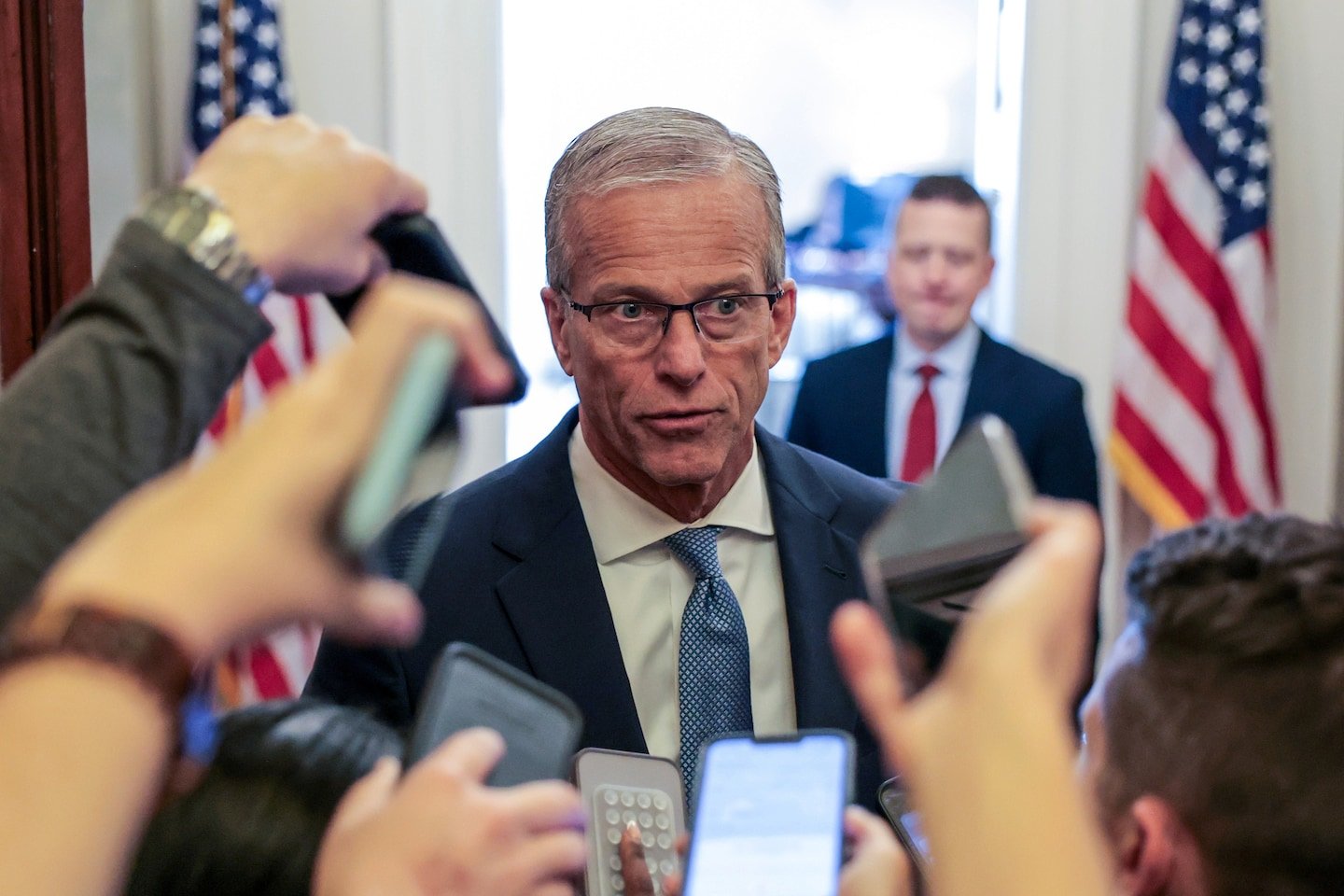
Republican Resistance Exposes Limits of Trump’s Control Over Congress
A series of legislative setbacks has revealed growing fractures inside the Republican Party as Donald Trump struggles to convert political influence into reliable votes on Capitol Hill.
Congressional Republicans delivered multiple setbacks to President Donald Trump this week, exposing the widening gap between Trump’s dominance over the Republican base and his ability to impose discipline inside the US Congress.
The failures were not driven by Democratic opposition alone.
They emerged from internal Republican divisions over spending, foreign policy, surveillance powers, immigration tactics, and the political risks of aligning too closely with Trump’s aggressive governing strategy.
The central force behind the story is actor-driven: Republican lawmakers themselves.
The conflict is not primarily ideological warfare between parties.
It is a struggle within the Republican coalition over power, institutional authority, and electoral survival during Trump’s second presidency.
The most visible setbacks came during negotiations over government funding and national security legislation.
Several Republican factions blocked or delayed White House-backed measures despite direct pressure from Trump and congressional leadership.
Fiscal conservatives resisted spending provisions they viewed as inconsistent with promises to reduce deficits, while national security hawks pushed back against attempts to narrow foreign commitments or restructure intelligence authorities.
The breakdown reflects a deeper structural problem for House Republicans.
Their governing majority remains narrow enough that even a handful of defections can derail legislation.
That reality has repeatedly weakened Republican leaders since Trump returned to office.
Lawmakers who disagree with the administration increasingly recognize they possess leverage because leadership cannot afford many internal rebellions.
What changed this week was the breadth of the resistance.
Opposition emerged simultaneously from hardline conservatives, institutional Republicans, and members representing politically competitive districts.
Those factions often disagree with one another, but they converged around concern that rushed White House demands were creating political and procedural risks.
Trump remains personally influential within the party.
Most Republican lawmakers continue to avoid direct confrontation with him, and few openly challenge his leadership publicly.
But congressional resistance now increasingly takes the form of procedural delay, quiet defections, or demands for legislative concessions rather than outright public rebellion.
Several disputes revealed how Trump’s governing style continues to collide with congressional realities.
The White House pushed lawmakers to move rapidly on complex legislation while framing resistance as disloyalty.
That approach energized Trump’s political supporters but frustrated members concerned about budget impacts, legal exposure, or electoral backlash in moderate districts.
Immigration became a particularly divisive issue.
Some Republicans argued the administration should pursue even more aggressive enforcement measures, while others warned that confrontational tactics and legal disputes could alienate suburban voters ahead of the midterm cycle.
The result was paralysis rather than unity.
Foreign policy divisions also widened.
Republicans remain split between traditional national security conservatives, populist isolationists aligned with Trump’s America First agenda, and pragmatic lawmakers focused on alliance management and economic stability.
Debates involving military commitments, Middle East tensions, and intelligence powers intensified those divisions rather than resolving them.
The setbacks carry consequences beyond individual bills.
They weaken the administration’s negotiating position by signaling to foreign governments, financial markets, and domestic institutions that presidential demands may not automatically translate into legislative action.
Congressional uncertainty complicates implementation of economic, defense, and immigration priorities central to Trump’s agenda.
The political damage is not necessarily immediate or fatal for the administration.
Trump continues to command strong loyalty from much of the Republican electorate, and many lawmakers remain cautious about provoking direct conflict with him.
But this week demonstrated that fear of political retaliation alone is no longer sufficient to guarantee legislative compliance.
The emerging divide is partly generational and partly institutional.
Some Republicans increasingly view Congress as needing to reassert independence after years in which party lawmakers often deferred to Trump’s political instincts.
Others fear that repeated legislative chaos could undermine Republican credibility with independent voters and financial stakeholders concerned about fiscal governance and government stability.
Democrats benefited tactically from Republican disarray but were not the primary architects of the week’s failures.
In several cases, Republican defections alone created enough instability to derail or delay legislation before Democratic opposition became decisive.
The practical consequence is that Trump’s second-term agenda now faces a slower and more unpredictable legislative path than many allies anticipated after the election.
White House officials are expected to intensify direct lobbying of Republican lawmakers, while congressional leaders attempt to rebuild fragile internal coalitions ahead of upcoming fiscal and national security deadlines.
The week ended with Republican leadership postponing several key votes and reopening negotiations on legislation the White House had expected to move quickly through Congress, underscoring that internal party management has become one of the defining challenges of Trump’s presidency.
The failures were not driven by Democratic opposition alone.
They emerged from internal Republican divisions over spending, foreign policy, surveillance powers, immigration tactics, and the political risks of aligning too closely with Trump’s aggressive governing strategy.
The central force behind the story is actor-driven: Republican lawmakers themselves.
The conflict is not primarily ideological warfare between parties.
It is a struggle within the Republican coalition over power, institutional authority, and electoral survival during Trump’s second presidency.
The most visible setbacks came during negotiations over government funding and national security legislation.
Several Republican factions blocked or delayed White House-backed measures despite direct pressure from Trump and congressional leadership.
Fiscal conservatives resisted spending provisions they viewed as inconsistent with promises to reduce deficits, while national security hawks pushed back against attempts to narrow foreign commitments or restructure intelligence authorities.
The breakdown reflects a deeper structural problem for House Republicans.
Their governing majority remains narrow enough that even a handful of defections can derail legislation.
That reality has repeatedly weakened Republican leaders since Trump returned to office.
Lawmakers who disagree with the administration increasingly recognize they possess leverage because leadership cannot afford many internal rebellions.
What changed this week was the breadth of the resistance.
Opposition emerged simultaneously from hardline conservatives, institutional Republicans, and members representing politically competitive districts.
Those factions often disagree with one another, but they converged around concern that rushed White House demands were creating political and procedural risks.
Trump remains personally influential within the party.
Most Republican lawmakers continue to avoid direct confrontation with him, and few openly challenge his leadership publicly.
But congressional resistance now increasingly takes the form of procedural delay, quiet defections, or demands for legislative concessions rather than outright public rebellion.
Several disputes revealed how Trump’s governing style continues to collide with congressional realities.
The White House pushed lawmakers to move rapidly on complex legislation while framing resistance as disloyalty.
That approach energized Trump’s political supporters but frustrated members concerned about budget impacts, legal exposure, or electoral backlash in moderate districts.
Immigration became a particularly divisive issue.
Some Republicans argued the administration should pursue even more aggressive enforcement measures, while others warned that confrontational tactics and legal disputes could alienate suburban voters ahead of the midterm cycle.
The result was paralysis rather than unity.
Foreign policy divisions also widened.
Republicans remain split between traditional national security conservatives, populist isolationists aligned with Trump’s America First agenda, and pragmatic lawmakers focused on alliance management and economic stability.
Debates involving military commitments, Middle East tensions, and intelligence powers intensified those divisions rather than resolving them.
The setbacks carry consequences beyond individual bills.
They weaken the administration’s negotiating position by signaling to foreign governments, financial markets, and domestic institutions that presidential demands may not automatically translate into legislative action.
Congressional uncertainty complicates implementation of economic, defense, and immigration priorities central to Trump’s agenda.
The political damage is not necessarily immediate or fatal for the administration.
Trump continues to command strong loyalty from much of the Republican electorate, and many lawmakers remain cautious about provoking direct conflict with him.
But this week demonstrated that fear of political retaliation alone is no longer sufficient to guarantee legislative compliance.
The emerging divide is partly generational and partly institutional.
Some Republicans increasingly view Congress as needing to reassert independence after years in which party lawmakers often deferred to Trump’s political instincts.
Others fear that repeated legislative chaos could undermine Republican credibility with independent voters and financial stakeholders concerned about fiscal governance and government stability.
Democrats benefited tactically from Republican disarray but were not the primary architects of the week’s failures.
In several cases, Republican defections alone created enough instability to derail or delay legislation before Democratic opposition became decisive.
The practical consequence is that Trump’s second-term agenda now faces a slower and more unpredictable legislative path than many allies anticipated after the election.
White House officials are expected to intensify direct lobbying of Republican lawmakers, while congressional leaders attempt to rebuild fragile internal coalitions ahead of upcoming fiscal and national security deadlines.
The week ended with Republican leadership postponing several key votes and reopening negotiations on legislation the White House had expected to move quickly through Congress, underscoring that internal party management has become one of the defining challenges of Trump’s presidency.