Focus on the BIG picture.
Sunday, May 24, 2026
Outside the box.

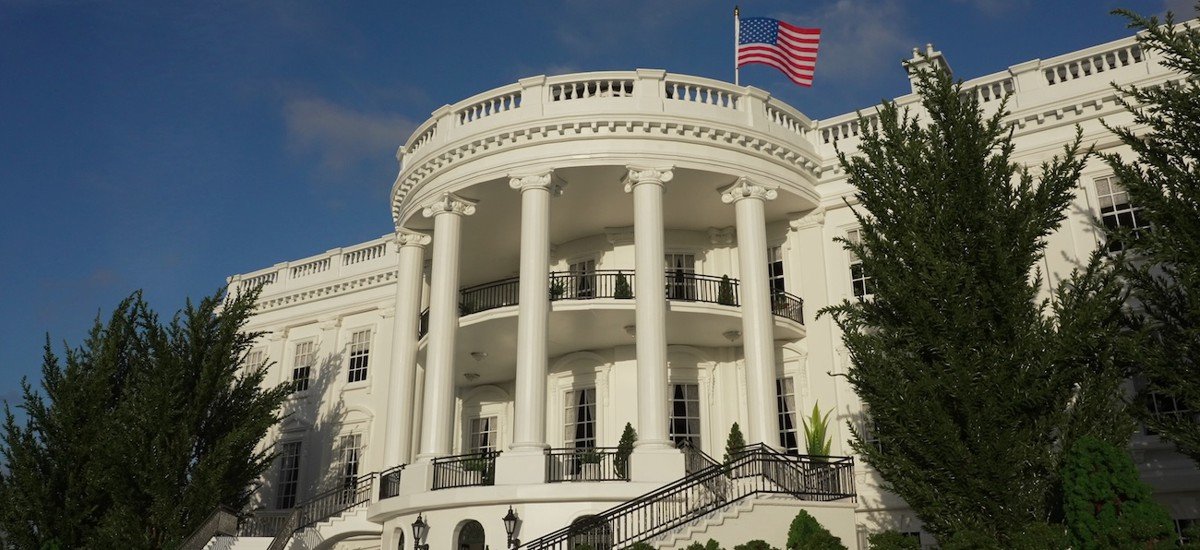
White House Push to Install Official App on Federal Phones Triggers Security and Ethics Backlash
The Trump administration is directing agencies to place a new White House mobile app on government-issued devices, raising concerns over cybersecurity, political messaging and federal workplace rules.
Executive branch control over federal technology systems is driving a new confrontation inside the U.S. government after the White House directed agencies to install its official mobile application on government-issued phones used by federal employees.
What is confirmed is that agency technology officials received instructions from the federal chief information office to help deploy the White House app across executive branch mobile devices.
Internal agency communications show at least some departments have already begun preparing automatic installation procedures for government-issued iPhones and tablets.
The application, launched earlier this year by the Trump administration, presents itself as a direct communication platform delivering White House announcements, policy updates, livestreams, videos, social media feeds and presidential messaging without reliance on traditional media channels.
The administration describes the platform as a way to provide real-time information and public engagement.
The controversy is not centered on the existence of a White House app itself.
Governments routinely operate public information platforms.
The dispute is about the mandatory installation of a politically branded application onto millions of federally managed devices used by civil servants who are expected to remain institutionally nonpartisan.
The app includes overtly political elements that have intensified criticism.
One feature allows users to send a text message to President Donald Trump through a pre-filled message reading “Greatest President Ever!” Critics inside and outside government argue that forcing installation of an app containing explicitly political content risks crossing ethical boundaries tied to the federal workforce.
The Hatch Act, which restricts political activity by federal employees while performing official duties, has become central to the debate.
Former federal officials and ethics specialists argue the administration may be blurring the line between official government communication and political promotion.
The key issue is not whether the president can communicate with federal employees, but whether employees can be compelled to carry politically infused messaging tools on work devices.
Cybersecurity concerns have widened the backlash further.
Independent researchers who examined the application’s code reported that earlier versions appeared capable of collecting detailed location data and transmitting user information to third-party services.
Analysts also flagged the app’s use of external infrastructure and dynamic code-loading mechanisms that could increase exposure to vulnerabilities if not tightly controlled.
Some of the initial GPS-tracking functionality appears to have been removed after public scrutiny.
But security specialists warn that mandatory deployment changes the risk calculation entirely because government-issued devices often connect to internal federal systems, secure communications environments and sensitive operational networks.
Current and former government technology officials have warned that any externally facing application installed at scale across federal devices creates potential attack surfaces.
The concern is not necessarily that the app itself is malicious, but that a widely deployed application linked to outside services could become an entry point for exploitation, surveillance or credential compromise if vulnerabilities emerge later.
The administration has not publicly detailed the full security review process used before the deployment order.
That absence of transparency has become another point of criticism.
Federal agencies normally subject software installed on government devices to layered approval procedures involving cybersecurity testing, procurement review and compliance verification.
The White House effort also reflects a broader transformation in how modern administrations communicate.
Both Democratic and Republican governments have increasingly bypassed traditional press structures in favor of direct digital distribution through social media, streaming video, email systems and mobile notifications.
The Trump administration has expanded that strategy aggressively, building communication infrastructure designed to reach supporters, voters and federal workers without intermediaries.
This is not the first time the administration has centralized communication systems across the federal workforce.
Earlier initiatives created government-wide messaging capabilities that allowed the White House to distribute directives simultaneously to large numbers of federal employees.
The new app push extends that strategy into device-level integration.
Federal employee unions, civil service advocates and privacy specialists are now examining whether the deployment could face legal or administrative challenges.
Questions include whether employees can opt out, whether agencies can remove the app independently and what categories of data may be collected from managed devices.
The dispute arrives at a politically sensitive moment for the federal workforce.
The administration has already pursued aggressive restructuring efforts involving layoffs, workforce reductions, loyalty screening and expanded executive authority over civil service operations.
Critics view the app mandate as part of a broader effort to tighten centralized political control over the bureaucracy.
Supporters inside conservative circles argue the backlash is overstated and politically motivated.
They contend the app functions primarily as an information portal similar to other government communication platforms and note that government devices already carry mandatory administrative software installed by agencies.
But the scale and symbolism of the order have transformed a routine technology deployment into a larger argument about the boundaries between governance, politics and the federal civil service.
The immediate next step is the continuing rollout of the application across executive branch agencies, with automatic installation procedures already scheduled at multiple departments.
What is confirmed is that agency technology officials received instructions from the federal chief information office to help deploy the White House app across executive branch mobile devices.
Internal agency communications show at least some departments have already begun preparing automatic installation procedures for government-issued iPhones and tablets.
The application, launched earlier this year by the Trump administration, presents itself as a direct communication platform delivering White House announcements, policy updates, livestreams, videos, social media feeds and presidential messaging without reliance on traditional media channels.
The administration describes the platform as a way to provide real-time information and public engagement.
The controversy is not centered on the existence of a White House app itself.
Governments routinely operate public information platforms.
The dispute is about the mandatory installation of a politically branded application onto millions of federally managed devices used by civil servants who are expected to remain institutionally nonpartisan.
The app includes overtly political elements that have intensified criticism.
One feature allows users to send a text message to President Donald Trump through a pre-filled message reading “Greatest President Ever!” Critics inside and outside government argue that forcing installation of an app containing explicitly political content risks crossing ethical boundaries tied to the federal workforce.
The Hatch Act, which restricts political activity by federal employees while performing official duties, has become central to the debate.
Former federal officials and ethics specialists argue the administration may be blurring the line between official government communication and political promotion.
The key issue is not whether the president can communicate with federal employees, but whether employees can be compelled to carry politically infused messaging tools on work devices.
Cybersecurity concerns have widened the backlash further.
Independent researchers who examined the application’s code reported that earlier versions appeared capable of collecting detailed location data and transmitting user information to third-party services.
Analysts also flagged the app’s use of external infrastructure and dynamic code-loading mechanisms that could increase exposure to vulnerabilities if not tightly controlled.
Some of the initial GPS-tracking functionality appears to have been removed after public scrutiny.
But security specialists warn that mandatory deployment changes the risk calculation entirely because government-issued devices often connect to internal federal systems, secure communications environments and sensitive operational networks.
Current and former government technology officials have warned that any externally facing application installed at scale across federal devices creates potential attack surfaces.
The concern is not necessarily that the app itself is malicious, but that a widely deployed application linked to outside services could become an entry point for exploitation, surveillance or credential compromise if vulnerabilities emerge later.
The administration has not publicly detailed the full security review process used before the deployment order.
That absence of transparency has become another point of criticism.
Federal agencies normally subject software installed on government devices to layered approval procedures involving cybersecurity testing, procurement review and compliance verification.
The White House effort also reflects a broader transformation in how modern administrations communicate.
Both Democratic and Republican governments have increasingly bypassed traditional press structures in favor of direct digital distribution through social media, streaming video, email systems and mobile notifications.
The Trump administration has expanded that strategy aggressively, building communication infrastructure designed to reach supporters, voters and federal workers without intermediaries.
This is not the first time the administration has centralized communication systems across the federal workforce.
Earlier initiatives created government-wide messaging capabilities that allowed the White House to distribute directives simultaneously to large numbers of federal employees.
The new app push extends that strategy into device-level integration.
Federal employee unions, civil service advocates and privacy specialists are now examining whether the deployment could face legal or administrative challenges.
Questions include whether employees can opt out, whether agencies can remove the app independently and what categories of data may be collected from managed devices.
The dispute arrives at a politically sensitive moment for the federal workforce.
The administration has already pursued aggressive restructuring efforts involving layoffs, workforce reductions, loyalty screening and expanded executive authority over civil service operations.
Critics view the app mandate as part of a broader effort to tighten centralized political control over the bureaucracy.
Supporters inside conservative circles argue the backlash is overstated and politically motivated.
They contend the app functions primarily as an information portal similar to other government communication platforms and note that government devices already carry mandatory administrative software installed by agencies.
But the scale and symbolism of the order have transformed a routine technology deployment into a larger argument about the boundaries between governance, politics and the federal civil service.
The immediate next step is the continuing rollout of the application across executive branch agencies, with automatic installation procedures already scheduled at multiple departments.