Focus on the BIG picture.
Friday, May 08, 2026
Outside the box.

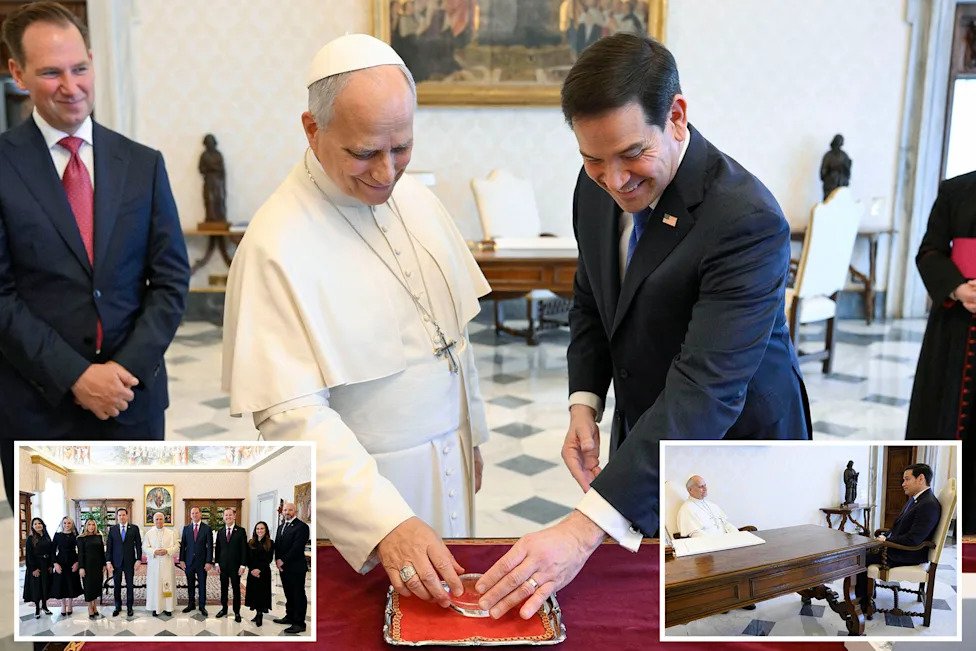
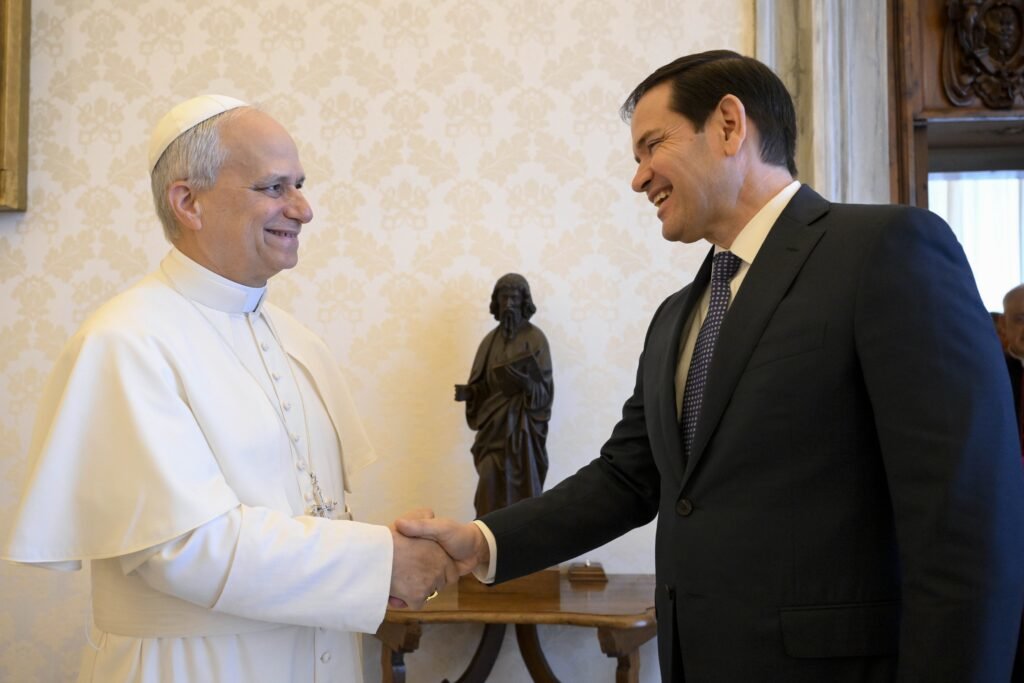
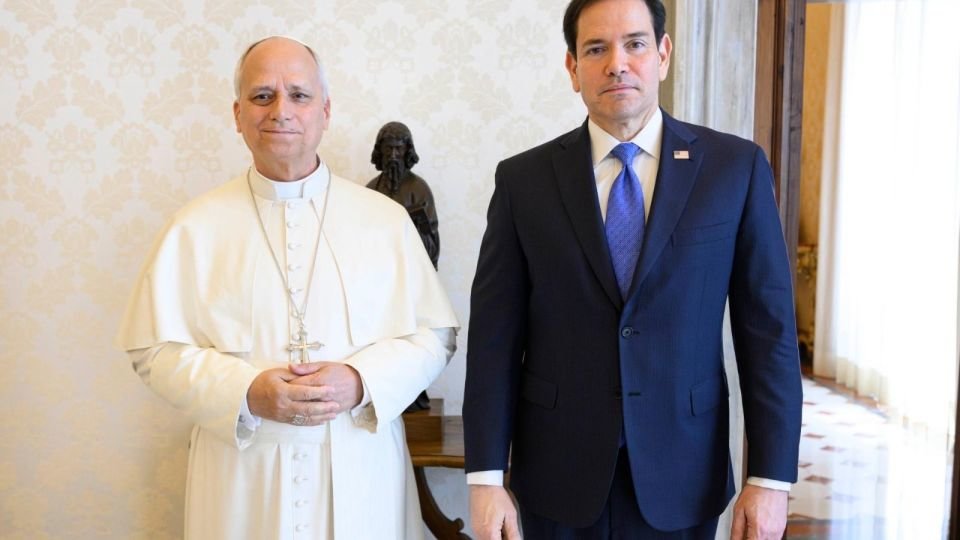
Rubio’s Vatican Outreach Signals Attempt to Reset Strained U.S.–Holy See Relations
Top U.S. officials describe a cordial meeting with Pope Leo as part of a broader diplomatic effort to stabilize ties amid disagreements over migration and global conflict policy
An actor-driven diplomatic effort is underway between the United States and the Holy See as senior U.S. officials seek to recalibrate relations with Pope Leo, following a period of visible tension over migration policy, humanitarian aid, and international conflict positions.
The meeting involving U.S. Secretary of State Marco Rubio and senior Vatican leadership, including Pope Leo, has been characterized by aides as notably cordial, signaling an intentional shift toward repairing institutional trust.
What is confirmed is that Rubio met with Pope Leo at the Vatican in a high-level engagement framed by both sides as constructive.
The talks centered on global humanitarian crises, migration flows, and ongoing conflicts affecting regions where both the United States and the Holy See maintain active diplomatic and moral interests.
Vatican officials and U.S. representatives described the exchange as focused on shared concerns rather than confrontation, marking a contrast with earlier periods in which policy differences created public friction.
The key issue underlying the meeting is the divergence between U.S. policy priorities under the current administration and the Vatican’s longstanding emphasis on humanitarian protections, particularly regarding migration and civilian impact in conflict zones.
While the United States has pursued stricter border and immigration enforcement measures, the Holy See has consistently advocated for broader protections for displaced populations and expanded international responsibility-sharing.
These differences have periodically placed the two actors in opposing public positions, even as they maintain formal diplomatic relations.
Diplomatic aides emphasized that the tone of the discussions was deliberately conciliatory.
Rather than attempting to resolve every policy disagreement, both sides focused on areas of overlap, including humanitarian relief coordination, religious freedom concerns, and the protection of vulnerable populations in active war zones.
The Vatican has historically acted as a soft-power intermediary in global diplomacy, and U.S. officials have increasingly sought to re-engage that role amid escalating international instability.
The meeting also reflects broader geopolitical recalibration efforts by the U.S. State Department, which has been seeking to stabilize relationships with influential non-state diplomatic actors and religious institutions.
The Holy See, despite its small territorial footprint, maintains one of the world’s most extensive diplomatic networks and frequently plays a role in mediating humanitarian access and conflict-related negotiations.
While no formal agreements were announced, both sides signaled continued dialogue, with future engagements expected on specific humanitarian initiatives.
The emphasis on rebuilding trust suggests that the meeting is part of a longer-term diplomatic strategy rather than a standalone symbolic event.
The immediate outcome is a cautious normalization of communication channels between Washington and the Vatican after a period of uneven alignment, with both institutions maintaining engagement on global crises where their interests intersect.
The meeting involving U.S. Secretary of State Marco Rubio and senior Vatican leadership, including Pope Leo, has been characterized by aides as notably cordial, signaling an intentional shift toward repairing institutional trust.
What is confirmed is that Rubio met with Pope Leo at the Vatican in a high-level engagement framed by both sides as constructive.
The talks centered on global humanitarian crises, migration flows, and ongoing conflicts affecting regions where both the United States and the Holy See maintain active diplomatic and moral interests.
Vatican officials and U.S. representatives described the exchange as focused on shared concerns rather than confrontation, marking a contrast with earlier periods in which policy differences created public friction.
The key issue underlying the meeting is the divergence between U.S. policy priorities under the current administration and the Vatican’s longstanding emphasis on humanitarian protections, particularly regarding migration and civilian impact in conflict zones.
While the United States has pursued stricter border and immigration enforcement measures, the Holy See has consistently advocated for broader protections for displaced populations and expanded international responsibility-sharing.
These differences have periodically placed the two actors in opposing public positions, even as they maintain formal diplomatic relations.
Diplomatic aides emphasized that the tone of the discussions was deliberately conciliatory.
Rather than attempting to resolve every policy disagreement, both sides focused on areas of overlap, including humanitarian relief coordination, religious freedom concerns, and the protection of vulnerable populations in active war zones.
The Vatican has historically acted as a soft-power intermediary in global diplomacy, and U.S. officials have increasingly sought to re-engage that role amid escalating international instability.
The meeting also reflects broader geopolitical recalibration efforts by the U.S. State Department, which has been seeking to stabilize relationships with influential non-state diplomatic actors and religious institutions.
The Holy See, despite its small territorial footprint, maintains one of the world’s most extensive diplomatic networks and frequently plays a role in mediating humanitarian access and conflict-related negotiations.
While no formal agreements were announced, both sides signaled continued dialogue, with future engagements expected on specific humanitarian initiatives.
The emphasis on rebuilding trust suggests that the meeting is part of a longer-term diplomatic strategy rather than a standalone symbolic event.
The immediate outcome is a cautious normalization of communication channels between Washington and the Vatican after a period of uneven alignment, with both institutions maintaining engagement on global crises where their interests intersect.