Focus on the BIG picture.
Friday, May 08, 2026
Outside the box.

U.S. Trade Court Strikes Down Trump-Era Global Tariff Authority in Major Legal Setback
Ruling challenges the legal foundation of sweeping tariffs imposed under emergency powers, raising uncertainty over billions in trade measures and executive authority in trade policy.
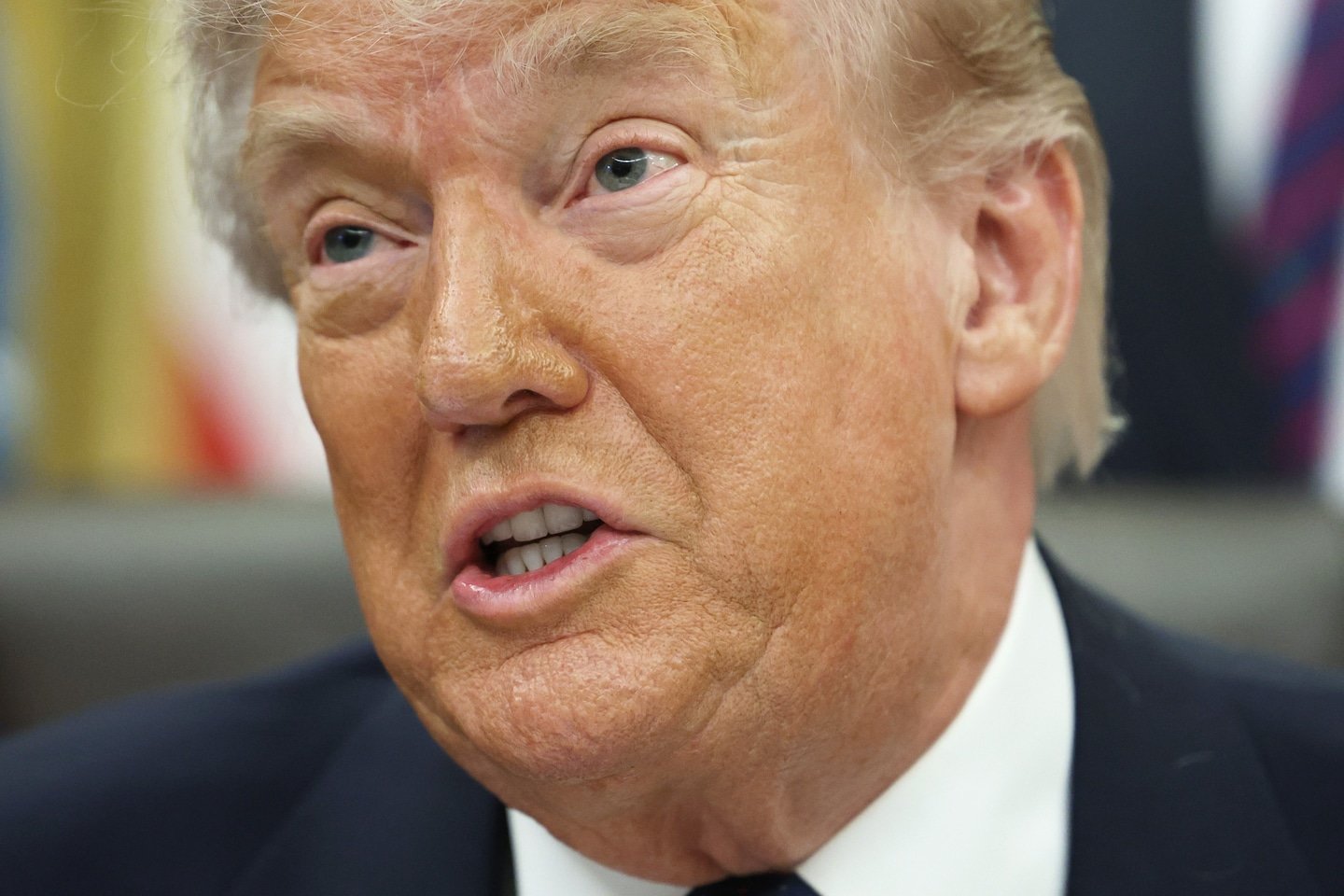
A SYSTEM-DRIVEN ruling by a U.S. trade court has dealt a significant legal setback to the use of emergency presidential powers in imposing broad global tariffs, striking down key elements of tariff actions associated with Donald Trump’s trade policy framework.
The decision focuses on the legal limits of executive authority under U.S. trade law, particularly the use of national security and emergency provisions to justify wide-ranging import duties.
What is confirmed is that the court found the tariff measures exceeded the scope of authority granted under the statutes invoked by the administration.
The ruling argues that the justification used for certain global tariffs did not meet the legal threshold required for unilateral executive action, reinforcing the principle that major trade restrictions must be grounded in clearly defined congressional authorization.
The tariffs in question were part of a broader strategy that relied heavily on executive interpretation of emergency economic and national security powers.
These measures were used to impose duties on a wide range of imported goods, reshaping trade flows and prompting retaliatory actions from several major trading partners.
The court’s decision directly questions whether such broad application of emergency authority is consistent with statutory limits established by Congress.
The case sits at the intersection of trade law, constitutional authority, and economic policy.
U.S. presidents have long used delegated trade powers to respond quickly to perceived unfair practices or geopolitical threats.
However, this ruling reinforces judicial willingness to scrutinize the boundaries of that delegation, particularly when tariffs are applied globally rather than narrowly targeted.
The practical stakes are significant.
Tariffs of this scale affect supply chains, consumer prices, and industrial costs across multiple sectors, including manufacturing, energy, and technology.
If the ruling is upheld on appeal, it could force a reassessment of tariff structures that have been embedded in trade policy for years, potentially requiring legislative approval for measures previously imposed through executive action.
The decision also has diplomatic implications.
Trade partners affected by the tariffs have argued that broad-based duties distort global markets and violate international trade norms.
The ruling may strengthen those positions and open the door to renewed negotiations or compensation claims depending on how enforcement develops.
The case is expected to move through the appellate system, where higher courts will determine whether the limitations placed on executive trade authority are affirmed, modified, or overturned.
Until then, the ruling introduces legal uncertainty into the enforcement of existing tariff structures and signals tighter judicial oversight of emergency-based economic policy tools.
The decision focuses on the legal limits of executive authority under U.S. trade law, particularly the use of national security and emergency provisions to justify wide-ranging import duties.
What is confirmed is that the court found the tariff measures exceeded the scope of authority granted under the statutes invoked by the administration.
The ruling argues that the justification used for certain global tariffs did not meet the legal threshold required for unilateral executive action, reinforcing the principle that major trade restrictions must be grounded in clearly defined congressional authorization.
The tariffs in question were part of a broader strategy that relied heavily on executive interpretation of emergency economic and national security powers.
These measures were used to impose duties on a wide range of imported goods, reshaping trade flows and prompting retaliatory actions from several major trading partners.
The court’s decision directly questions whether such broad application of emergency authority is consistent with statutory limits established by Congress.
The case sits at the intersection of trade law, constitutional authority, and economic policy.
U.S. presidents have long used delegated trade powers to respond quickly to perceived unfair practices or geopolitical threats.
However, this ruling reinforces judicial willingness to scrutinize the boundaries of that delegation, particularly when tariffs are applied globally rather than narrowly targeted.
The practical stakes are significant.
Tariffs of this scale affect supply chains, consumer prices, and industrial costs across multiple sectors, including manufacturing, energy, and technology.
If the ruling is upheld on appeal, it could force a reassessment of tariff structures that have been embedded in trade policy for years, potentially requiring legislative approval for measures previously imposed through executive action.
The decision also has diplomatic implications.
Trade partners affected by the tariffs have argued that broad-based duties distort global markets and violate international trade norms.
The ruling may strengthen those positions and open the door to renewed negotiations or compensation claims depending on how enforcement develops.
The case is expected to move through the appellate system, where higher courts will determine whether the limitations placed on executive trade authority are affirmed, modified, or overturned.
Until then, the ruling introduces legal uncertainty into the enforcement of existing tariff structures and signals tighter judicial oversight of emergency-based economic policy tools.