Focus on the BIG picture.
Friday, May 08, 2026
Outside the box.

U.S. Intelligence Assessment Suggests Iran Could Withstand Hormuz Blockade for Months
A confidential analysis challenges Washington’s expectations about economic pressure, highlighting Iran’s missile resilience and the limits of maritime coercion in the Gulf.
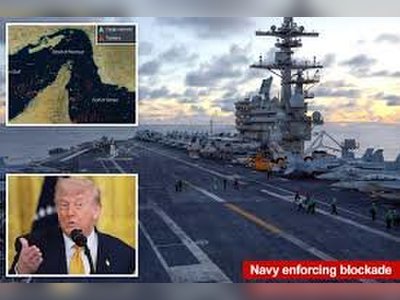
A SYSTEM-DRIVEN geopolitical and military standoff in the Strait of Hormuz is reshaping assumptions about how long economic and naval pressure can realistically constrain Iran.
A recent U.S. intelligence community assessment, described as confidential and delivered to senior policymakers, concludes that Iran could endure a U.S.-led naval blockade for at least three to four months before facing severe economic strain.
The finding undercuts public claims of rapid Iranian collapse under maritime pressure and reframes the confrontation as a test of endurance rather than immediate coercion.
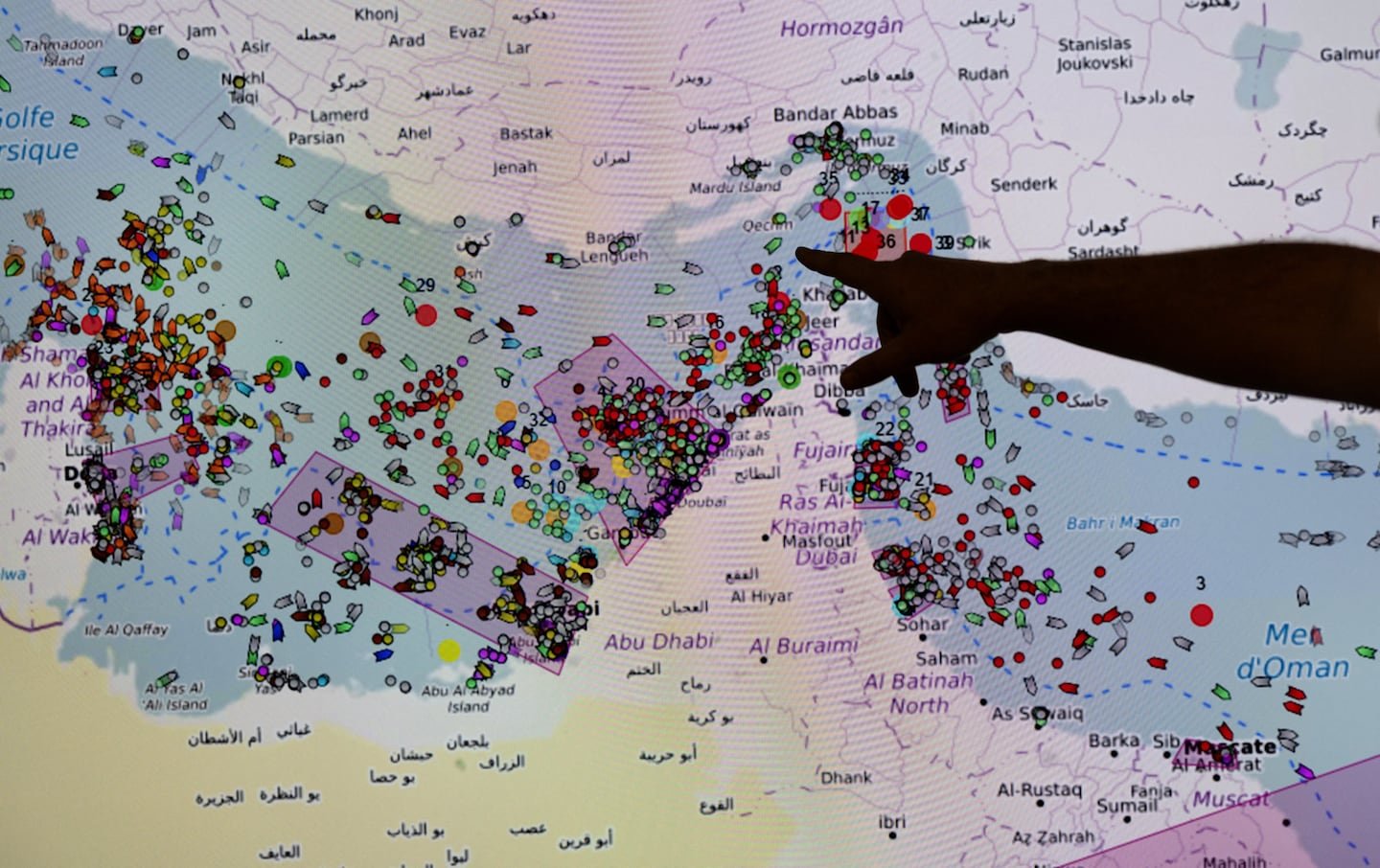
The Strait of Hormuz remains the world’s most strategically sensitive oil chokepoint, with roughly one-fifth of global oil shipments historically passing through it.
In the current confrontation, the United States has sought to restrict Iranian-linked maritime traffic while also responding to Iranian disruptions of shipping lanes.
The intelligence assessment suggests that, despite this pressure, Tehran has adapted its logistics and energy exports to extend its economic survival timeline.
What is confirmed in the assessment is that Iran retains a substantial portion of its military capacity.
The intelligence review estimates that Iran still holds around seventy percent of its missile stockpiles and roughly three-quarters of its mobile launch systems, with production lines partially restored after earlier strikes.
Analysts also assess that Iran maintains thousands of drones, which are considered a lower-cost and highly scalable threat to maritime traffic compared with missiles.
These systems are particularly relevant in the Strait of Hormuz, where even limited drone attacks can significantly disrupt insurance markets and shipping willingness.
The intelligence findings also highlight Iran’s economic adaptation strategy.
Rather than relying solely on direct exports through the Strait, Tehran has increased alternative methods of moving oil, including ship-to-ship transfers and discreet maritime routing.
This reduces the immediate effectiveness of a blockade designed to choke conventional exports.
While the blockade is estimated to inflict large daily losses on the Iranian economy, the assessment concludes that these losses are not sufficient on their own to force political capitulation within the early months of pressure.
The broader strategic implication is that the confrontation is not being decided by immediate battlefield effects but by endurance on both sides.
U.S. planners had framed maritime pressure as a mechanism to accelerate negotiations or force strategic concessions.
The intelligence assessment instead indicates that Iran’s leadership may calculate it can outlast political pressure cycles, especially if global energy markets remain volatile and regional actors continue partial trade flows.
At the same time, the blockade environment has already reduced maritime traffic through the Strait of Hormuz significantly, while raising insurance costs and increasing the risk of escalation between naval forces in the region.
Even limited incidents have demonstrated how quickly localized engagements can affect global shipping confidence.
The result is a strategic equilibrium in which neither side can fully impose its preferred outcome.
The United States can disrupt Iranian exports and constrain shipping, but cannot quickly neutralize Iran’s asymmetric tools.
Iran, meanwhile, can sustain disruption and absorb economic pressure, but at a significant and compounding financial cost.
The intelligence assessment underscores that any resolution is likely to depend less on further escalation and more on negotiated terms that both sides can sustain without triggering wider regional instability.
A recent U.S. intelligence community assessment, described as confidential and delivered to senior policymakers, concludes that Iran could endure a U.S.-led naval blockade for at least three to four months before facing severe economic strain.
The finding undercuts public claims of rapid Iranian collapse under maritime pressure and reframes the confrontation as a test of endurance rather than immediate coercion.
The Strait of Hormuz remains the world’s most strategically sensitive oil chokepoint, with roughly one-fifth of global oil shipments historically passing through it.
In the current confrontation, the United States has sought to restrict Iranian-linked maritime traffic while also responding to Iranian disruptions of shipping lanes.
The intelligence assessment suggests that, despite this pressure, Tehran has adapted its logistics and energy exports to extend its economic survival timeline.
What is confirmed in the assessment is that Iran retains a substantial portion of its military capacity.
The intelligence review estimates that Iran still holds around seventy percent of its missile stockpiles and roughly three-quarters of its mobile launch systems, with production lines partially restored after earlier strikes.
Analysts also assess that Iran maintains thousands of drones, which are considered a lower-cost and highly scalable threat to maritime traffic compared with missiles.
These systems are particularly relevant in the Strait of Hormuz, where even limited drone attacks can significantly disrupt insurance markets and shipping willingness.
The intelligence findings also highlight Iran’s economic adaptation strategy.
Rather than relying solely on direct exports through the Strait, Tehran has increased alternative methods of moving oil, including ship-to-ship transfers and discreet maritime routing.
This reduces the immediate effectiveness of a blockade designed to choke conventional exports.
While the blockade is estimated to inflict large daily losses on the Iranian economy, the assessment concludes that these losses are not sufficient on their own to force political capitulation within the early months of pressure.
The broader strategic implication is that the confrontation is not being decided by immediate battlefield effects but by endurance on both sides.
U.S. planners had framed maritime pressure as a mechanism to accelerate negotiations or force strategic concessions.
The intelligence assessment instead indicates that Iran’s leadership may calculate it can outlast political pressure cycles, especially if global energy markets remain volatile and regional actors continue partial trade flows.
At the same time, the blockade environment has already reduced maritime traffic through the Strait of Hormuz significantly, while raising insurance costs and increasing the risk of escalation between naval forces in the region.
Even limited incidents have demonstrated how quickly localized engagements can affect global shipping confidence.
The result is a strategic equilibrium in which neither side can fully impose its preferred outcome.
The United States can disrupt Iranian exports and constrain shipping, but cannot quickly neutralize Iran’s asymmetric tools.
Iran, meanwhile, can sustain disruption and absorb economic pressure, but at a significant and compounding financial cost.
The intelligence assessment underscores that any resolution is likely to depend less on further escalation and more on negotiated terms that both sides can sustain without triggering wider regional instability.