Focus on the BIG picture.
Wednesday, Mar 11, 2026
Outside the box.

Trump Administration Eyes Adopting Australian-Style Retirement System in US
President endorses Australia’s mandatory ‘super’ pension model — but experts warn the United States may face major legal, cultural and structural hurdles
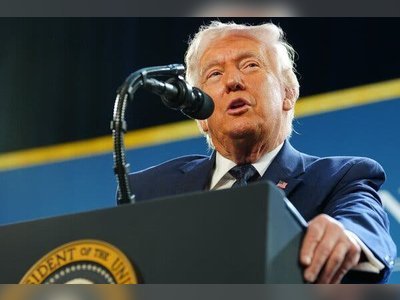
The United States under President is exploring the potential adoption of a retirement savings system similar to Australia’s mandatory employer-funded “superannuation” scheme.
The president described the Australian model as “a good plan” that “has worked out very well,” indicating the administration is reviewing it seriously.
Australia’s system requires employers to contribute a fixed percentage of wages into private retirement accounts, which are invested and generally inaccessible until retirement.
The model has helped Australia accumulate a multitrillion-dollar retirement savings pool and is widely credited with ensuring broad participation and long-term fiscal sustainability.
Introducing such a system in the U.S. — which currently relies on a mix of voluntary defined-contribution plans such as 401(k)s and the publicly funded — would mark a fundamental structural shift.
Experts caution that mandatory employer contributions and private fund mandates represent a significant cultural and political change, and would likely face resistance given entrenched attitudes toward retirement planning and private savings in America.
The contrast between the two systems is stark: Australia’s scheme spreads responsibility across employers and private funds, helping lessen the long-term burden on public finances, while the U.S. system depends heavily on government-managed benefits and individual initiative.
Research from retirement policy institutes has long argued that the U.S. system needs reform, citing rising lifespan, shrinking access to traditional pensions and a growing number of Americans at risk of outliving their retirement savings.
A move toward a more institutionalised, employer-backed model could address some of these issues — but only if implemented with careful design and widespread buy-in.
Policymakers and analysts say the challenges are formidable.
Aligning legal frameworks, designing mandates that fairly spread cost, and ensuring private funds meet transparency and performance standards would require major legislative and regulatory efforts.
Moreover, cultural resistance to forced retirement savings could complicate adoption, especially among businesses unaccustomed to automatic employer contributions.
As the administration examines its options, the idea of importing features of Australia’s system into the U.S. retirement landscape stands as one of the most ambitious proposals seen in recent decades — and a test of how American institutions and citizens respond to structural reform of retirement security.
The president described the Australian model as “a good plan” that “has worked out very well,” indicating the administration is reviewing it seriously.
Australia’s system requires employers to contribute a fixed percentage of wages into private retirement accounts, which are invested and generally inaccessible until retirement.
The model has helped Australia accumulate a multitrillion-dollar retirement savings pool and is widely credited with ensuring broad participation and long-term fiscal sustainability.
Introducing such a system in the U.S. — which currently relies on a mix of voluntary defined-contribution plans such as 401(k)s and the publicly funded — would mark a fundamental structural shift.
Experts caution that mandatory employer contributions and private fund mandates represent a significant cultural and political change, and would likely face resistance given entrenched attitudes toward retirement planning and private savings in America.
The contrast between the two systems is stark: Australia’s scheme spreads responsibility across employers and private funds, helping lessen the long-term burden on public finances, while the U.S. system depends heavily on government-managed benefits and individual initiative.
Research from retirement policy institutes has long argued that the U.S. system needs reform, citing rising lifespan, shrinking access to traditional pensions and a growing number of Americans at risk of outliving their retirement savings.
A move toward a more institutionalised, employer-backed model could address some of these issues — but only if implemented with careful design and widespread buy-in.
Policymakers and analysts say the challenges are formidable.
Aligning legal frameworks, designing mandates that fairly spread cost, and ensuring private funds meet transparency and performance standards would require major legislative and regulatory efforts.
Moreover, cultural resistance to forced retirement savings could complicate adoption, especially among businesses unaccustomed to automatic employer contributions.
As the administration examines its options, the idea of importing features of Australia’s system into the U.S. retirement landscape stands as one of the most ambitious proposals seen in recent decades — and a test of how American institutions and citizens respond to structural reform of retirement security.