Focus on the BIG picture.
Wednesday, Mar 11, 2026
Outside the box.

Trump Administration Unveils Major Rollback of U.S. Fuel Economy Standards
New proposal cuts mileage requirements to 34.5 mpg by 2031, reversing Biden-era mandates and sparking national debate
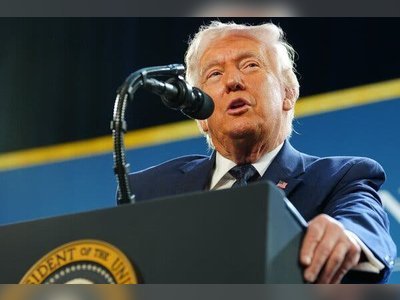
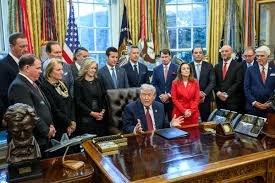
President Donald Trump announced on December 3 that his administration will roll back the recent federal fuel economy standards for cars and light trucks, formally resetting the Corporate Average Fuel Economy (CAFE) requirements to levels last seen in 2020. The new proposal, announced from the Oval Office and backed by top auto-industry executives, replaces the 50.4 miles per gallon target set by the prior administration with a fleet average requirement of 34.5 mpg by 2031.
Under the guidance of the National Highway Traffic Safety Administration (NHTSA), the proposed rule will lift previously mandated stringency, reduce upfront vehicle costs by roughly nine hundred dollars per new vehicle and remove credit-trading provisions slated for 2028. Administrators say this will restore manufacturing flexibility, lower purchase prices and align regulations with consumer demand for gasoline-powered vehicles.
Supporters among automakers argue the rollback is necessary to stabilise production costs and consumer affordability after years of compliance pressure.
Officials noted the move could revive production of vehicle types — including station wagons — largely abandoned by U.S. automakers under stricter efficiency demands.
Environmental and consumer-advocacy groups condemned the reversal, warning it would dramatically increase long-term fuel consumption and greenhouse-gas emissions.
NHTSA itself projects the change could add roughly 100 billion gallons in fuel use through 2050, and impose additional household fuel costs of up to one hundred eighty-five billion dollars over the same period.
The rollback is part of a broader deregulation push — including prior reductions to emission standards and the elimination of electric vehicle incentives.
The agency has opened a public comment period through mid-January.
If finalised, the rollback will mark one of the most significant shifts in U.S. transportation policy in decades, reshaping markets, household costs, and the nationwide battle over climate and energy policy.
Under the guidance of the National Highway Traffic Safety Administration (NHTSA), the proposed rule will lift previously mandated stringency, reduce upfront vehicle costs by roughly nine hundred dollars per new vehicle and remove credit-trading provisions slated for 2028. Administrators say this will restore manufacturing flexibility, lower purchase prices and align regulations with consumer demand for gasoline-powered vehicles.
Supporters among automakers argue the rollback is necessary to stabilise production costs and consumer affordability after years of compliance pressure.
Officials noted the move could revive production of vehicle types — including station wagons — largely abandoned by U.S. automakers under stricter efficiency demands.
Environmental and consumer-advocacy groups condemned the reversal, warning it would dramatically increase long-term fuel consumption and greenhouse-gas emissions.
NHTSA itself projects the change could add roughly 100 billion gallons in fuel use through 2050, and impose additional household fuel costs of up to one hundred eighty-five billion dollars over the same period.
The rollback is part of a broader deregulation push — including prior reductions to emission standards and the elimination of electric vehicle incentives.
The agency has opened a public comment period through mid-January.
If finalised, the rollback will mark one of the most significant shifts in U.S. transportation policy in decades, reshaping markets, household costs, and the nationwide battle over climate and energy policy.