Focus on the BIG picture.
Tuesday, May 26, 2026
Outside the box.

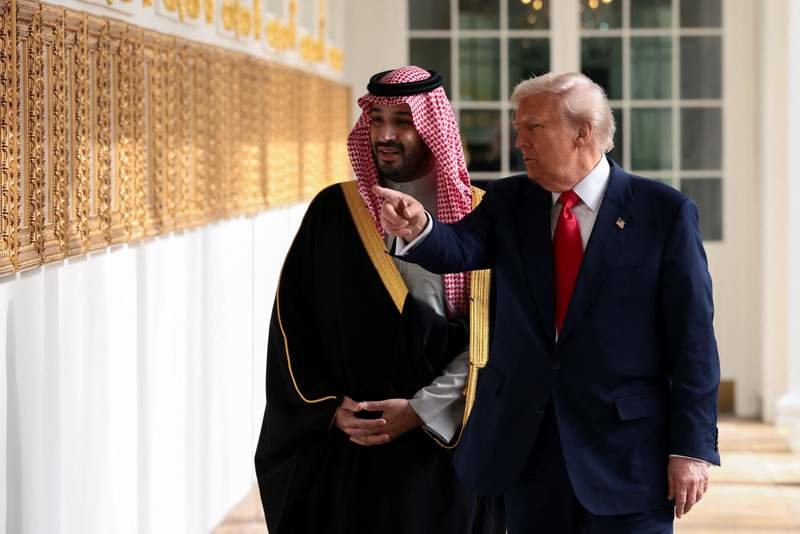
Trump Ally Claims Saudi Crown Prince Said He Could Recognize Israel ‘Today’ if Gaza War Ended
The reported remarks attributed to Mohammed bin Salman highlight how close Saudi-Israeli normalization may have come before the Gaza conflict reshaped Arab politics, regional legitimacy and the future of the Abraham Accords.
The controversy surrounding reported remarks by Saudi Crown Prince Mohammed bin Salman is fundamentally actor-driven because the issue centers on the personal strategic calculations of the kingdom’s de facto ruler and his role in determining whether the most consequential Arab-Israeli normalization deal in modern history can move forward.
A close ally of Donald Trump publicly claimed that Mohammed bin Salman told him Saudi Arabia could recognize Israel “today” if the Gaza war ended, reinforcing the belief among several American and Israeli officials that Riyadh remains strategically open to normalization despite its increasingly hard public stance during the conflict.
What is confirmed is that figures linked to Trump’s foreign-policy network continue arguing that Saudi-Israeli normalization remains achievable under the right political conditions.
The reported remarks attributed to the crown prince have not been independently verified by Saudi authorities, but they align with broader evidence that Riyadh and Washington were engaged in advanced normalization discussions before the Gaza war erupted.
The key issue is that the war fundamentally changed the political cost of recognition.
Before Hamas attacked Israel in October two thousand twenty-three, Saudi Arabia and the United States were actively negotiating a potential diplomatic breakthrough that could have reshaped the Middle East.
The proposed framework reportedly involved American security guarantees for Saudi Arabia, deeper military cooperation, access to advanced weapons systems and support for a civilian Saudi nuclear program in exchange for formal recognition of Israel.
At that stage, many diplomats and analysts believed normalization was becoming increasingly likely.
Saudi Arabia’s leadership had already quietly expanded unofficial contacts with Israel through security coordination, technology discussions and regional diplomacy centered largely around containing Iranian influence.
The Gaza war disrupted that trajectory.
Israel’s military campaign inside Gaza, the scale of civilian casualties and the humanitarian crisis transformed public opinion across the Arab and Muslim world.
Governments that had normalized relations with Israel under the Abraham Accords faced political criticism, while countries considering recognition became significantly more cautious.
For Saudi Arabia, the consequences were especially sensitive.
The kingdom is not simply another Gulf monarchy.
It is the custodian of Islam’s holiest sites and the most politically influential Arab state.
Saudi legitimacy depends partly on religious leadership and its standing across the wider Muslim world.
Mohammed bin Salman therefore faces a dual reality.
Strategically, Saudi Arabia shares several major interests with Israel and the United States, including concern over Iran’s regional influence, missile proliferation, maritime security and regional stability.
Politically, however, recognizing Israel during an active Gaza conflict would carry enormous reputational risks for Riyadh.
That explains why Saudi officials hardened their public position after the war began.
The kingdom now insists that normalization requires what officials describe as an “irreversible pathway” toward Palestinian statehood.
This language reflects a major shift from the pre-war period, when many observers believed Riyadh was prepared to separate normalization from substantial Palestinian political concessions.
The crown prince’s reported comments therefore matter because they suggest Saudi strategic thinking itself may not have fundamentally changed even if the public diplomatic environment has.
In practical terms, this means Saudi leaders may still view normalization as desirable under different regional conditions.
The obstacle is timing and political legitimacy rather than complete strategic rejection.
This distinction is central to understanding the current Middle Eastern diplomatic landscape.
The Abraham Accords were originally built around a regional environment in which several Arab governments increasingly prioritized economic modernization, security cooperation and anti-Iran alignment over the Palestinian issue.
The accords normalized relations between Israel and the United Arab Emirates, Bahrain, Morocco and Sudan during Donald Trump’s presidency.
Saudi Arabia was always considered the most important missing participant.
Recognition by Riyadh would likely transform Israel’s position across much of the Islamic world and represent the most significant diplomatic breakthrough in the region since Egypt’s peace treaty with Israel.
That is why both the Trump and Biden administrations pursued Saudi normalization aggressively.
For Washington, the agreement would deepen Israeli-Arab integration, strengthen a US-aligned regional security architecture and help counter both Iranian influence and growing Chinese engagement across the Middle East.
China’s expanding regional role has become increasingly important.
Beijing brokered the Saudi-Iran rapprochement in two thousand twenty-three and continues deepening economic ties throughout the Gulf.
Saudi Arabia now operates with greater diplomatic flexibility than during earlier decades when alignment with Washington was more automatic.
This gives Riyadh leverage in negotiations.
Saudi leaders understand that the United States places enormous strategic value on normalization and therefore believes the kingdom can demand broader concessions in return.
Israel’s domestic politics further complicate the situation.
Prime Minister Benjamin Netanyahu’s coalition includes hardline nationalist and religious factions strongly opposed to Palestinian statehood.
This makes it politically difficult for Israel to offer the kind of credible Palestinian political framework Saudi Arabia now publicly demands.
The result is a strategic contradiction.
Saudi Arabia appears to remain interested in normalization under the right conditions.
Israel’s current political structure resists the concessions necessary to make those conditions politically viable for Riyadh.
At the same time, the broader strategic logic behind normalization remains intact.
Saudi Arabia still seeks advanced American defense guarantees and technological cooperation.
Israel still wants deeper integration with the Arab world.
The United States still views regional normalization as one of the most important long-term pillars of Middle Eastern stability.
That means the diplomatic project itself remains alive even if it is politically frozen.
The reported comments attributed to Mohammed bin Salman ultimately reinforce a deeper reality about the post-Gaza Middle East.
The war did not eliminate the strategic incentives for Saudi-Israeli normalization.
Instead, it dramatically raised the political price of pursuing it openly without first addressing the Palestinian issue in a way Saudi leaders believe protects the kingdom’s regional legitimacy and long-term leadership position across the Islamic world.
A close ally of Donald Trump publicly claimed that Mohammed bin Salman told him Saudi Arabia could recognize Israel “today” if the Gaza war ended, reinforcing the belief among several American and Israeli officials that Riyadh remains strategically open to normalization despite its increasingly hard public stance during the conflict.
What is confirmed is that figures linked to Trump’s foreign-policy network continue arguing that Saudi-Israeli normalization remains achievable under the right political conditions.
The reported remarks attributed to the crown prince have not been independently verified by Saudi authorities, but they align with broader evidence that Riyadh and Washington were engaged in advanced normalization discussions before the Gaza war erupted.
The key issue is that the war fundamentally changed the political cost of recognition.
Before Hamas attacked Israel in October two thousand twenty-three, Saudi Arabia and the United States were actively negotiating a potential diplomatic breakthrough that could have reshaped the Middle East.
The proposed framework reportedly involved American security guarantees for Saudi Arabia, deeper military cooperation, access to advanced weapons systems and support for a civilian Saudi nuclear program in exchange for formal recognition of Israel.
At that stage, many diplomats and analysts believed normalization was becoming increasingly likely.
Saudi Arabia’s leadership had already quietly expanded unofficial contacts with Israel through security coordination, technology discussions and regional diplomacy centered largely around containing Iranian influence.
The Gaza war disrupted that trajectory.
Israel’s military campaign inside Gaza, the scale of civilian casualties and the humanitarian crisis transformed public opinion across the Arab and Muslim world.
Governments that had normalized relations with Israel under the Abraham Accords faced political criticism, while countries considering recognition became significantly more cautious.
For Saudi Arabia, the consequences were especially sensitive.
The kingdom is not simply another Gulf monarchy.
It is the custodian of Islam’s holiest sites and the most politically influential Arab state.
Saudi legitimacy depends partly on religious leadership and its standing across the wider Muslim world.
Mohammed bin Salman therefore faces a dual reality.
Strategically, Saudi Arabia shares several major interests with Israel and the United States, including concern over Iran’s regional influence, missile proliferation, maritime security and regional stability.
Politically, however, recognizing Israel during an active Gaza conflict would carry enormous reputational risks for Riyadh.
That explains why Saudi officials hardened their public position after the war began.
The kingdom now insists that normalization requires what officials describe as an “irreversible pathway” toward Palestinian statehood.
This language reflects a major shift from the pre-war period, when many observers believed Riyadh was prepared to separate normalization from substantial Palestinian political concessions.
The crown prince’s reported comments therefore matter because they suggest Saudi strategic thinking itself may not have fundamentally changed even if the public diplomatic environment has.
In practical terms, this means Saudi leaders may still view normalization as desirable under different regional conditions.
The obstacle is timing and political legitimacy rather than complete strategic rejection.
This distinction is central to understanding the current Middle Eastern diplomatic landscape.
The Abraham Accords were originally built around a regional environment in which several Arab governments increasingly prioritized economic modernization, security cooperation and anti-Iran alignment over the Palestinian issue.
The accords normalized relations between Israel and the United Arab Emirates, Bahrain, Morocco and Sudan during Donald Trump’s presidency.
Saudi Arabia was always considered the most important missing participant.
Recognition by Riyadh would likely transform Israel’s position across much of the Islamic world and represent the most significant diplomatic breakthrough in the region since Egypt’s peace treaty with Israel.
That is why both the Trump and Biden administrations pursued Saudi normalization aggressively.
For Washington, the agreement would deepen Israeli-Arab integration, strengthen a US-aligned regional security architecture and help counter both Iranian influence and growing Chinese engagement across the Middle East.
China’s expanding regional role has become increasingly important.
Beijing brokered the Saudi-Iran rapprochement in two thousand twenty-three and continues deepening economic ties throughout the Gulf.
Saudi Arabia now operates with greater diplomatic flexibility than during earlier decades when alignment with Washington was more automatic.
This gives Riyadh leverage in negotiations.
Saudi leaders understand that the United States places enormous strategic value on normalization and therefore believes the kingdom can demand broader concessions in return.
Israel’s domestic politics further complicate the situation.
Prime Minister Benjamin Netanyahu’s coalition includes hardline nationalist and religious factions strongly opposed to Palestinian statehood.
This makes it politically difficult for Israel to offer the kind of credible Palestinian political framework Saudi Arabia now publicly demands.
The result is a strategic contradiction.
Saudi Arabia appears to remain interested in normalization under the right conditions.
Israel’s current political structure resists the concessions necessary to make those conditions politically viable for Riyadh.
At the same time, the broader strategic logic behind normalization remains intact.
Saudi Arabia still seeks advanced American defense guarantees and technological cooperation.
Israel still wants deeper integration with the Arab world.
The United States still views regional normalization as one of the most important long-term pillars of Middle Eastern stability.
That means the diplomatic project itself remains alive even if it is politically frozen.
The reported comments attributed to Mohammed bin Salman ultimately reinforce a deeper reality about the post-Gaza Middle East.
The war did not eliminate the strategic incentives for Saudi-Israeli normalization.
Instead, it dramatically raised the political price of pursuing it openly without first addressing the Palestinian issue in a way Saudi leaders believe protects the kingdom’s regional legitimacy and long-term leadership position across the Islamic world.