Focus on the BIG picture.
Tuesday, May 26, 2026
Outside the box.

Washington Audits Find Rule Violations in Tacoma Police Shooting Investigations
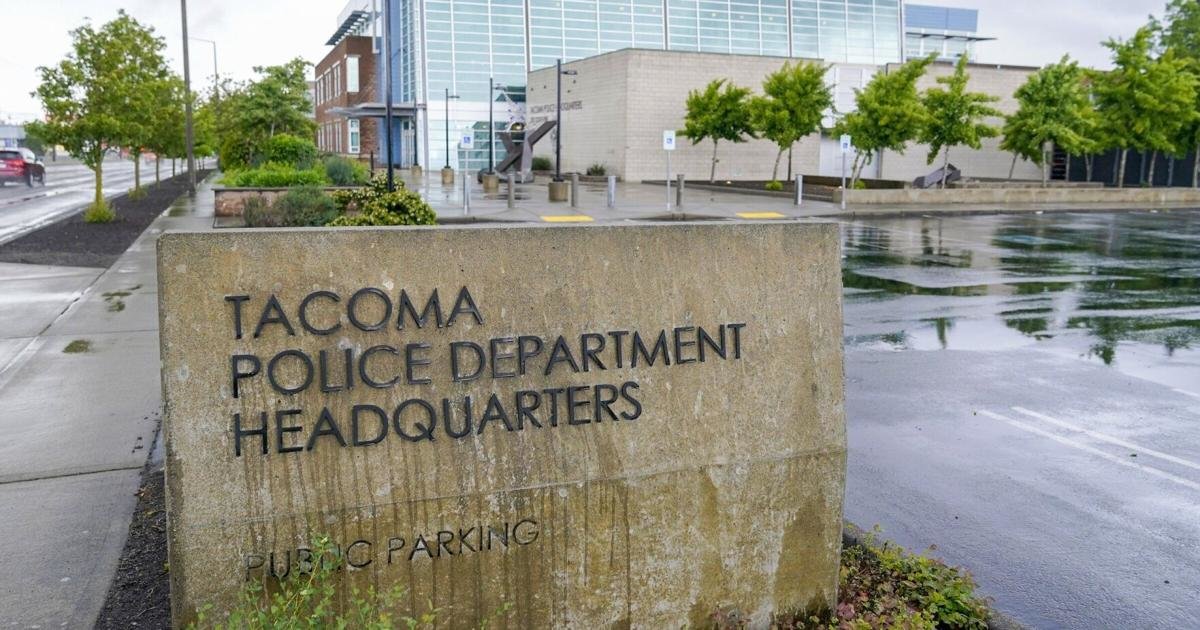
State reviews of two fatal Tacoma police shootings identified failures in transparency, access control, and conflict-prevention procedures inside Pierce County’s independent investigative system.
Washington state’s police accountability system is under renewed scrutiny after official audits found procedural failures in two investigations into fatal Tacoma police shootings, exposing weaknesses in how independent law enforcement teams handle deadly-force cases.
The audits focused on investigations conducted by the Pierce County Force Investigation Team, known as PCFIT, the regional unit responsible for examining police use of deadly force involving Tacoma officers and other agencies in Pierce County.
Washington created the independent-investigation framework after voters approved Initiative 940 in 2018, a major police-accountability measure intended to reduce conflicts of interest and increase public trust after fatal encounters with law enforcement.
What is confirmed is that the Washington State Auditor’s Office found PCFIT violated some state investigative standards while handling two separate fatal shootings, one in 2022 and another in 2024. The audits did not evaluate whether officers were legally justified in using deadly force.
Instead, they examined whether investigators complied with state rules governing independence, transparency, communication with families, and evidence-handling procedures.
The findings identified multiple lapses.
Investigators failed to fully comply with requirements designed to prevent conflicts of interest between involved police agencies and the teams examining them.
Auditors also found problems involving timely communication with victims’ families and the public, a core requirement under Washington’s post-I-940 accountability framework.
One of the most serious findings involved unauthorized access to investigative case files.
State auditors said individuals who should not have had access were able to view or interact with materials connected to a deadly-force investigation.
The reports characterized several shortcomings as administrative failures rather than evidence tampering or criminal misconduct, but the breaches still cut directly against the independence safeguards Washington lawmakers intended to build into the system.
The investigations reviewed by auditors involved the deaths of Dillion Pugsley in 2022 and Rhoda Butler in 2024. In the Pugsley case, Tacoma police responded after reports of gunfire near a bar in the city’s South End.
Police later pursued Pugsley, whose vehicle crashed before officers opened fire.
The Butler case involved another fatal police encounter investigated under the same independent-force protocol.
The key issue is not simply whether mistakes occurred, but whether Washington’s nationally unusual oversight model is functioning as intended.
The state auditor’s office has spent the past several years building what officials describe as the first systematic statewide auditing program in the United States focused specifically on deadly-force investigations.
Under Washington law, every police use-of-deadly-force investigation can ultimately face an independent compliance audit once prosecutors finish reviewing the case.
The structure was designed to answer a longstanding public criticism of policing in America: police departments historically investigated themselves after shootings involving officers.
Washington attempted to replace that system with outside investigative teams staffed by personnel from multiple agencies and governed by strict rules meant to separate involved officers from investigators.
The audits show how difficult that separation remains in practice.
Independent investigation teams often rely on officers and infrastructure drawn from the same regional policing networks they are supposed to examine at arm’s length.
That creates persistent operational tension between cooperation and independence.
The findings arrive during a broader statewide debate over police accountability standards, officer training, and public trust.
Separate Washington audits released this year found many law enforcement agencies are behind schedule on mandatory de-escalation and mental-health training requirements tied to Initiative 940 reforms.
The combination of incomplete training compliance and investigative-process failures is increasing pressure on police agencies and state regulators to demonstrate that accountability systems are more than procedural paperwork.
Tacoma has already faced years of public scrutiny over police use of force.
City officials maintain that state law limits direct municipal involvement in active deadly-force investigations because independent teams are required to operate without interference from the departments under review.
That legal firewall was intended to strengthen credibility, but it also means cities have limited ability to correct investigative weaknesses once a shooting case is transferred to outside investigators.
The audits also highlight a growing shift in American policing oversight: accountability is increasingly measured not only by courtroom outcomes or charging decisions, but by compliance with process itself.
Washington’s model treats communication failures, access-control weaknesses, and procedural deviations as meaningful accountability breaches even when no criminal wrongdoing is established.
That distinction matters politically and legally.
Public confidence in police investigations often depends less on whether officers are charged and more on whether communities believe the process was independent, transparent, and insulated from institutional bias.
Auditors concluded that PCFIT complied with many state standards but failed to meet all required safeguards in both reviewed cases.
The consequences are likely to extend beyond Pierce County.
State auditors are continuing deadly-force compliance reviews across Washington, and the reports are increasingly shaping legislative debates over training standards, investigative independence, data handling, and civilian trust in police oversight systems.
The audits have now established a formal public record that Washington’s accountability framework exists, functions, and is willing to document failures inside the very system created to monitor police use of deadly force.
The audits focused on investigations conducted by the Pierce County Force Investigation Team, known as PCFIT, the regional unit responsible for examining police use of deadly force involving Tacoma officers and other agencies in Pierce County.
Washington created the independent-investigation framework after voters approved Initiative 940 in 2018, a major police-accountability measure intended to reduce conflicts of interest and increase public trust after fatal encounters with law enforcement.
What is confirmed is that the Washington State Auditor’s Office found PCFIT violated some state investigative standards while handling two separate fatal shootings, one in 2022 and another in 2024. The audits did not evaluate whether officers were legally justified in using deadly force.
Instead, they examined whether investigators complied with state rules governing independence, transparency, communication with families, and evidence-handling procedures.
The findings identified multiple lapses.
Investigators failed to fully comply with requirements designed to prevent conflicts of interest between involved police agencies and the teams examining them.
Auditors also found problems involving timely communication with victims’ families and the public, a core requirement under Washington’s post-I-940 accountability framework.
One of the most serious findings involved unauthorized access to investigative case files.
State auditors said individuals who should not have had access were able to view or interact with materials connected to a deadly-force investigation.
The reports characterized several shortcomings as administrative failures rather than evidence tampering or criminal misconduct, but the breaches still cut directly against the independence safeguards Washington lawmakers intended to build into the system.
The investigations reviewed by auditors involved the deaths of Dillion Pugsley in 2022 and Rhoda Butler in 2024. In the Pugsley case, Tacoma police responded after reports of gunfire near a bar in the city’s South End.
Police later pursued Pugsley, whose vehicle crashed before officers opened fire.
The Butler case involved another fatal police encounter investigated under the same independent-force protocol.
The key issue is not simply whether mistakes occurred, but whether Washington’s nationally unusual oversight model is functioning as intended.
The state auditor’s office has spent the past several years building what officials describe as the first systematic statewide auditing program in the United States focused specifically on deadly-force investigations.
Under Washington law, every police use-of-deadly-force investigation can ultimately face an independent compliance audit once prosecutors finish reviewing the case.
The structure was designed to answer a longstanding public criticism of policing in America: police departments historically investigated themselves after shootings involving officers.
Washington attempted to replace that system with outside investigative teams staffed by personnel from multiple agencies and governed by strict rules meant to separate involved officers from investigators.
The audits show how difficult that separation remains in practice.
Independent investigation teams often rely on officers and infrastructure drawn from the same regional policing networks they are supposed to examine at arm’s length.
That creates persistent operational tension between cooperation and independence.
The findings arrive during a broader statewide debate over police accountability standards, officer training, and public trust.
Separate Washington audits released this year found many law enforcement agencies are behind schedule on mandatory de-escalation and mental-health training requirements tied to Initiative 940 reforms.
The combination of incomplete training compliance and investigative-process failures is increasing pressure on police agencies and state regulators to demonstrate that accountability systems are more than procedural paperwork.
Tacoma has already faced years of public scrutiny over police use of force.
City officials maintain that state law limits direct municipal involvement in active deadly-force investigations because independent teams are required to operate without interference from the departments under review.
That legal firewall was intended to strengthen credibility, but it also means cities have limited ability to correct investigative weaknesses once a shooting case is transferred to outside investigators.
The audits also highlight a growing shift in American policing oversight: accountability is increasingly measured not only by courtroom outcomes or charging decisions, but by compliance with process itself.
Washington’s model treats communication failures, access-control weaknesses, and procedural deviations as meaningful accountability breaches even when no criminal wrongdoing is established.
That distinction matters politically and legally.
Public confidence in police investigations often depends less on whether officers are charged and more on whether communities believe the process was independent, transparent, and insulated from institutional bias.
Auditors concluded that PCFIT complied with many state standards but failed to meet all required safeguards in both reviewed cases.
The consequences are likely to extend beyond Pierce County.
State auditors are continuing deadly-force compliance reviews across Washington, and the reports are increasingly shaping legislative debates over training standards, investigative independence, data handling, and civilian trust in police oversight systems.
The audits have now established a formal public record that Washington’s accountability framework exists, functions, and is willing to document failures inside the very system created to monitor police use of deadly force.