Focus on the BIG picture.
Tuesday, May 26, 2026
Outside the box.

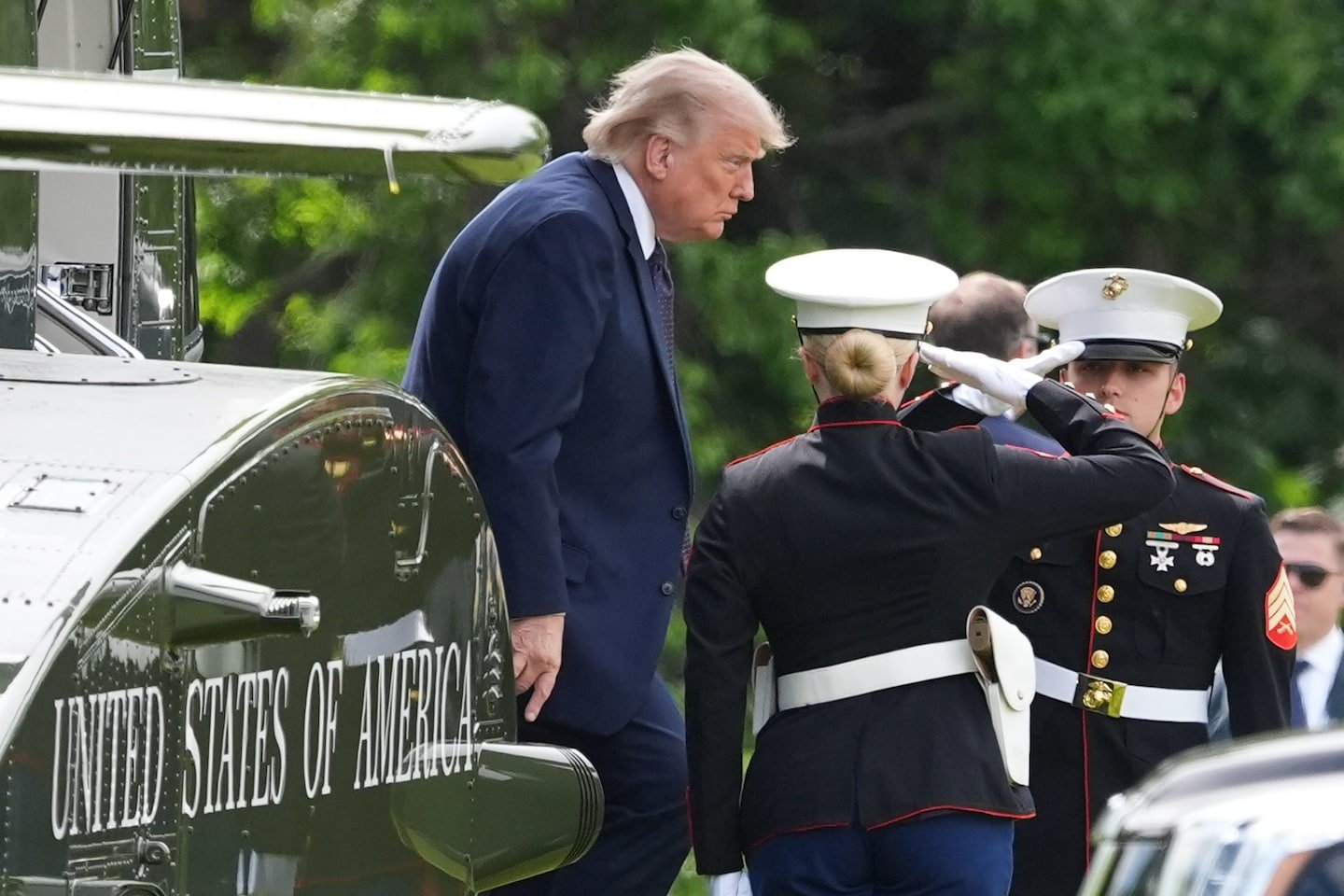
Trump’s Return to Walter Reed Intensifies Scrutiny Over Presidential Health Transparency
A third medical visit in thirteen months has renewed questions about Donald Trump’s physical condition, the White House’s disclosures, and the broader political risks of opaque presidential health reporting.
The story is fundamentally actor-driven because it centers on President Donald Trump, the White House’s management of information about his health, and the political consequences of how that information is disclosed.
Trump is scheduled to return to Walter Reed National Military Medical Center for another medical and dental assessment, marking his third visit to the military hospital in just over a year.
The frequency of the visits, combined with incomplete public explanations about previous examinations, has intensified scrutiny around the health of the oldest person ever inaugurated as president of the United States.
What is confirmed is that Trump underwent a standard annual physical in April 2025 and returned to Walter Reed in October for what aides initially described as a routine follow-up appointment.
Months later, the White House acknowledged that the October visit included advanced imaging to assess cardiovascular and abdominal health.
Trump later said the scan showed no abnormalities and argued that public disclosure of the test unnecessarily fueled speculation about his condition.
The latest visit comes as visible signs of aging and recurring physical symptoms have become a persistent political issue.
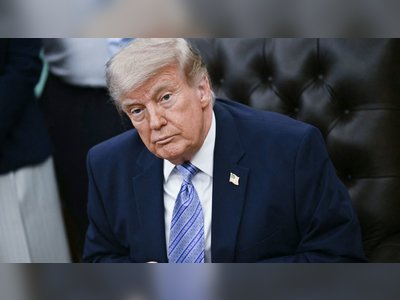
Recent public appearances have shown bruising or discoloration on Trump’s hands, swelling in his lower legs and ankles, and occasional episodes in which he appeared fatigued during official events.
The White House has attributed the bruising to aspirin use and repeated handshaking, while previously stating that Trump has chronic venous insufficiency, a common condition in older adults in which damaged leg veins struggle to return blood efficiently to the heart.
The condition itself is not usually considered life-threatening.
However, cardiovascular specialists note that persistent swelling in elderly patients can overlap with more serious circulatory or cardiac problems, particularly when combined with advanced age and other risk factors.
Independent physicians have publicly argued that the White House has disclosed too little information to determine whether the condition is isolated or part of a broader health issue.
The dispute is no longer only medical.
It has become political because Trump spent years aggressively attacking Joe Biden’s age, stamina, and mental sharpness during the 2024 campaign cycle while portraying himself as unusually vigorous.
Trump repeatedly highlighted his own cognitive test scores, mocked Biden’s physical appearance and speech patterns, and framed personal stamina as evidence of leadership capability.
That strategy elevated presidential health from a background concern into a central political benchmark.
Now the same scrutiny is being directed back at Trump.
Polling conducted in recent weeks shows declining public confidence in both his physical fitness and mental sharpness.
The numbers do not establish incapacity, but they demonstrate a measurable erosion in public trust surrounding his health claims.
The issue is amplified by Trump’s age.
He turns eighty in June and would leave office at an older age than any previous American president if he completes his current term.
The White House insists the president remains in excellent health and maintains a demanding schedule that includes rallies, extensive travel, golf outings, military ceremonies, and late-night work sessions.
Officials have pointed to medical memos from White House physician Sean Barbabella describing Trump’s cardiovascular condition as strong and his overall health as exceptional for his age.
Senior administration allies have also publicly mocked speculation about the president’s health, arguing that critics are attempting to manufacture a narrative of decline.
At the same time, the administration’s handling of medical disclosures has contributed to suspicion rather than reducing it.
Officials initially declined to fully explain the October hospital visit.
Trump later appeared to inconsistently describe the imaging procedure itself, alternately referring to a scan and an MRI before aides clarified that it had been a CT scan.
The White House also forcefully pushed back against online rumors earlier this year claiming Trump had been hospitalized unexpectedly, accusing critics and social media accounts of spreading misinformation.
The broader issue extends beyond Trump personally.
The United States has no legal requirement forcing presidents to release complete medical records.
Modern presidents traditionally disclose annual physical summaries, but the level of detail depends almost entirely on political calculation.
Both Democratic and Republican administrations have historically shaped or limited health disclosures when they believed the information could weaken public confidence.
That ambiguity has become more consequential as American presidents remain in office at increasingly advanced ages.
Trump and Biden together transformed presidential aging into a defining national issue, forcing voters to weigh physical stamina, cognitive performance, and transparency alongside ideology and policy.
Medical privacy remains legally protected, but presidents also command military authority, oversee nuclear decision-making, and manage crisis response.
The tension between privacy and public accountability has therefore intensified.
Trump’s latest Walter Reed visit is unlikely to end the debate because the core issue is no longer a single scan, bruise, or swollen ankle.
The central question is whether the White House is providing a sufficiently complete picture of the president’s health for voters, lawmakers, allies, and markets to assess the stability of the presidency itself.
Tuesday’s examination is expected to produce another official medical summary, ensuring that presidential health transparency will remain a live political and institutional issue heading deeper into the 2026 election cycle.
Trump is scheduled to return to Walter Reed National Military Medical Center for another medical and dental assessment, marking his third visit to the military hospital in just over a year.
The frequency of the visits, combined with incomplete public explanations about previous examinations, has intensified scrutiny around the health of the oldest person ever inaugurated as president of the United States.
What is confirmed is that Trump underwent a standard annual physical in April 2025 and returned to Walter Reed in October for what aides initially described as a routine follow-up appointment.
Months later, the White House acknowledged that the October visit included advanced imaging to assess cardiovascular and abdominal health.
Trump later said the scan showed no abnormalities and argued that public disclosure of the test unnecessarily fueled speculation about his condition.
The latest visit comes as visible signs of aging and recurring physical symptoms have become a persistent political issue.
Recent public appearances have shown bruising or discoloration on Trump’s hands, swelling in his lower legs and ankles, and occasional episodes in which he appeared fatigued during official events.
The White House has attributed the bruising to aspirin use and repeated handshaking, while previously stating that Trump has chronic venous insufficiency, a common condition in older adults in which damaged leg veins struggle to return blood efficiently to the heart.
The condition itself is not usually considered life-threatening.
However, cardiovascular specialists note that persistent swelling in elderly patients can overlap with more serious circulatory or cardiac problems, particularly when combined with advanced age and other risk factors.
Independent physicians have publicly argued that the White House has disclosed too little information to determine whether the condition is isolated or part of a broader health issue.
The dispute is no longer only medical.
It has become political because Trump spent years aggressively attacking Joe Biden’s age, stamina, and mental sharpness during the 2024 campaign cycle while portraying himself as unusually vigorous.
Trump repeatedly highlighted his own cognitive test scores, mocked Biden’s physical appearance and speech patterns, and framed personal stamina as evidence of leadership capability.
That strategy elevated presidential health from a background concern into a central political benchmark.
Now the same scrutiny is being directed back at Trump.
Polling conducted in recent weeks shows declining public confidence in both his physical fitness and mental sharpness.
The numbers do not establish incapacity, but they demonstrate a measurable erosion in public trust surrounding his health claims.
The issue is amplified by Trump’s age.
He turns eighty in June and would leave office at an older age than any previous American president if he completes his current term.
The White House insists the president remains in excellent health and maintains a demanding schedule that includes rallies, extensive travel, golf outings, military ceremonies, and late-night work sessions.
Officials have pointed to medical memos from White House physician Sean Barbabella describing Trump’s cardiovascular condition as strong and his overall health as exceptional for his age.
Senior administration allies have also publicly mocked speculation about the president’s health, arguing that critics are attempting to manufacture a narrative of decline.
At the same time, the administration’s handling of medical disclosures has contributed to suspicion rather than reducing it.
Officials initially declined to fully explain the October hospital visit.
Trump later appeared to inconsistently describe the imaging procedure itself, alternately referring to a scan and an MRI before aides clarified that it had been a CT scan.
The White House also forcefully pushed back against online rumors earlier this year claiming Trump had been hospitalized unexpectedly, accusing critics and social media accounts of spreading misinformation.
The broader issue extends beyond Trump personally.
The United States has no legal requirement forcing presidents to release complete medical records.
Modern presidents traditionally disclose annual physical summaries, but the level of detail depends almost entirely on political calculation.
Both Democratic and Republican administrations have historically shaped or limited health disclosures when they believed the information could weaken public confidence.
That ambiguity has become more consequential as American presidents remain in office at increasingly advanced ages.
Trump and Biden together transformed presidential aging into a defining national issue, forcing voters to weigh physical stamina, cognitive performance, and transparency alongside ideology and policy.
Medical privacy remains legally protected, but presidents also command military authority, oversee nuclear decision-making, and manage crisis response.
The tension between privacy and public accountability has therefore intensified.
Trump’s latest Walter Reed visit is unlikely to end the debate because the core issue is no longer a single scan, bruise, or swollen ankle.
The central question is whether the White House is providing a sufficiently complete picture of the president’s health for voters, lawmakers, allies, and markets to assess the stability of the presidency itself.
Tuesday’s examination is expected to produce another official medical summary, ensuring that presidential health transparency will remain a live political and institutional issue heading deeper into the 2026 election cycle.