Focus on the BIG picture.
Wednesday, Mar 11, 2026
Outside the box.

Trump Hosts Congo and Rwanda Leaders for Peace and Minerals Pact at White House
US-brokered “Washington Accords” aim to end decades of conflict and secure critical-mineral access for the United States
President Donald Trump hosted the heads of state of the Democratic Republic of Congo and Rwanda in Washington on December 4 to formalise a long-awaited peace and economic cooperation agreement.
At a ceremony framed as a milestone diplomatic moment, Presidents Félix Tshisekedi and Paul Kagame pledged to implement a U.S.-brokered accord seeking to end years of conflict in eastern Congo and open the region’s critical mineral resources to American firms.
The agreement builds on a preliminary deal signed in June 2025. It commits both nations to a ceasefire, a framework for economic integration, and joint management of the Great Lakes region’s mineral sector — including cobalt, lithium, tantalum and other resources essential for clean-energy technologies.
The accord grants the United States and its companies preferential access to these minerals as part of a broader push to counter foreign dominance in critical-resource supply chains.
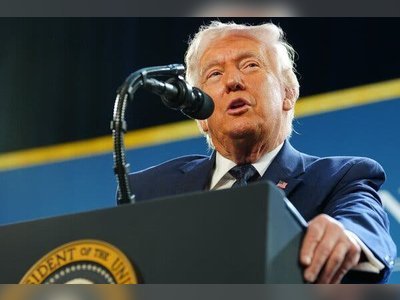
Speaking at the signing, President Trump described the deal as a “historic breakthrough,” saying it marks a chance to end “decades of violence and bloodshed.” He portrayed the agreement as a dual win for African stability and U.S. economic and strategic interests.
He also noted it as among several global peace pacts brokered under his administration, underscoring his ambition to be recognised as a top world-stage dealmaker.
Yet despite the pomp and promise, the ground realities remain fraught.
Fighting in eastern Congo continues, and the main rebel group controlling key mineral-rich territory was not party to the agreement.
Analysts and human-rights organisations warn that without enforcement mechanisms addressing disarmament, justice for past atrocities and credible security guarantees, the pact risks collapsing.
Some critics argue the accord amounts more to a mineral-rights deal than a genuine peace settlement.
Supporters argue the pact could finally channel investment and economic growth to a region long torn by violence, while giving the United States a strategic foothold in vital supply chains for the global clean-energy transition.
For now, the accord stands — a high-stakes bet on diplomacy, economics and geopolitical realignment anchored by Washington.
At a ceremony framed as a milestone diplomatic moment, Presidents Félix Tshisekedi and Paul Kagame pledged to implement a U.S.-brokered accord seeking to end years of conflict in eastern Congo and open the region’s critical mineral resources to American firms.
The agreement builds on a preliminary deal signed in June 2025. It commits both nations to a ceasefire, a framework for economic integration, and joint management of the Great Lakes region’s mineral sector — including cobalt, lithium, tantalum and other resources essential for clean-energy technologies.
The accord grants the United States and its companies preferential access to these minerals as part of a broader push to counter foreign dominance in critical-resource supply chains.
Speaking at the signing, President Trump described the deal as a “historic breakthrough,” saying it marks a chance to end “decades of violence and bloodshed.” He portrayed the agreement as a dual win for African stability and U.S. economic and strategic interests.
He also noted it as among several global peace pacts brokered under his administration, underscoring his ambition to be recognised as a top world-stage dealmaker.
Yet despite the pomp and promise, the ground realities remain fraught.
Fighting in eastern Congo continues, and the main rebel group controlling key mineral-rich territory was not party to the agreement.
Analysts and human-rights organisations warn that without enforcement mechanisms addressing disarmament, justice for past atrocities and credible security guarantees, the pact risks collapsing.
Some critics argue the accord amounts more to a mineral-rights deal than a genuine peace settlement.
Supporters argue the pact could finally channel investment and economic growth to a region long torn by violence, while giving the United States a strategic foothold in vital supply chains for the global clean-energy transition.
For now, the accord stands — a high-stakes bet on diplomacy, economics and geopolitical realignment anchored by Washington.