Focus on the BIG picture.
Wednesday, Feb 11, 2026
Outside the box.

Trump’s Exclusion of Democratic Governors Fractures Long-Standing White House Governors Gathering
National Governors Association cancels formal meeting after Biden-era bipartisan tradition unravels over partisan invite list
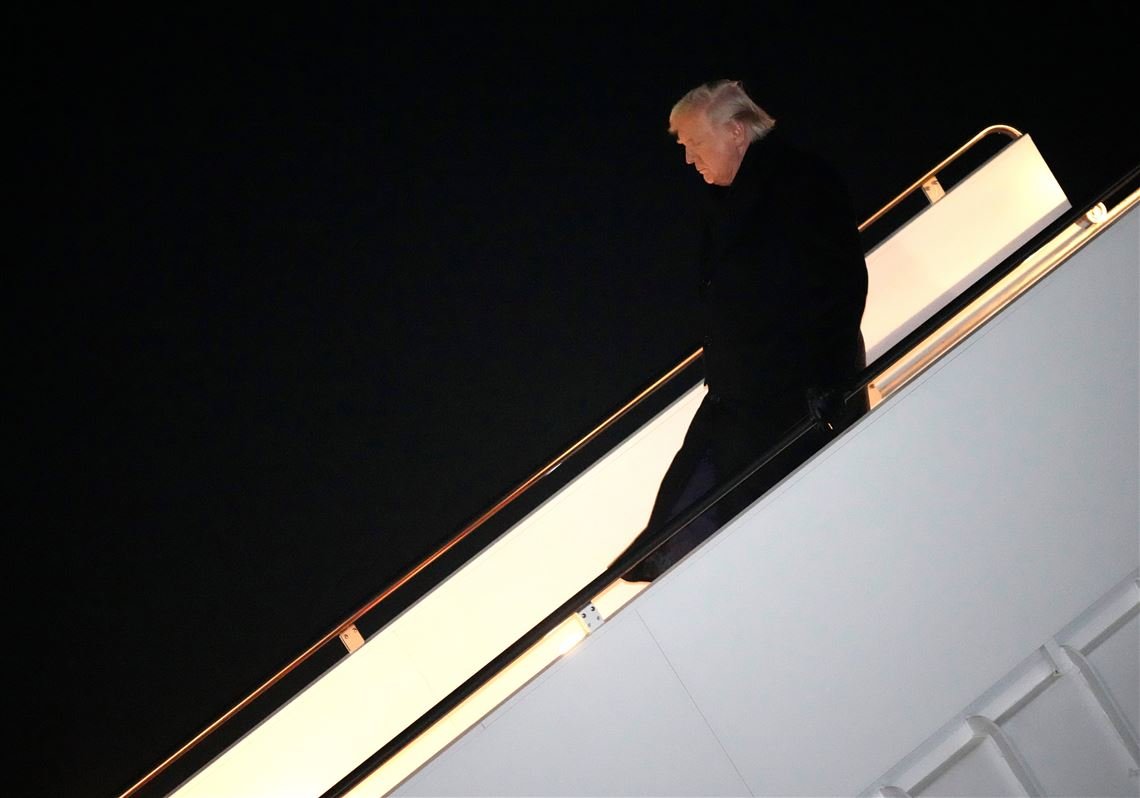
President Donald Trump’s decision to exclude Democratic governors from White House events tied to the annual National Governors Association winter meeting has precipitated a breakdown in what has long been a rare bipartisan forum for federal-state dialogue.
Traditionally, the annual gathering in Washington brings all state executives together for discussions with the president and senior officials, but this year the White House indicated it would invite only Republican governors to a formal business meeting scheduled for February nineteen to twenty-one.
The National Governors Association, which represents all fifty-five governors from U.S. states and territories, said it would no longer host the formal meeting with the president after learning of the invitation list.
Oklahoma Governor Kevin Stitt, a Republican and the association’s chair, said in a letter to fellow governors that the White House’s plan broke from tradition and undercut the NGA’s mission to represent leaders across the political spectrum.
In response to the reported exclusions, eighteen Democratic governors announced they would boycott a customary White House dinner, further underscoring partisan tensions.
The governors said they remained committed to working across party lines to address challenges facing their constituents, but declined to attend an event they characterised as exclusionary.
Among those not invited to the dinner were Maryland Governor Wes Moore and Colorado Governor Jared Polis, drawing particular attention given their leadership roles within the NGA.
White House Press Secretary Karoline Leavitt defended the administration’s approach, emphasising that the president has discretion over whom he invites to events at the White House.
She noted that invitations to official functions, including dinners, are determined by the president’s office, and that those who received invites were welcome to attend.
The unraveling of this year’s governors gathering follows signs of heightened partisan friction from last year’s conference, which featured public disputes between Trump and Democratic leaders.
The cancellation of the formal meeting and the boycott by Democratic governors mark a significant departure from a decades-long tradition of bipartisan gubernatorial engagement with the executive branch, at a time when collaboration on issues such as disaster response, infrastructure and public health are widely viewed as national priorities.
Traditionally, the annual gathering in Washington brings all state executives together for discussions with the president and senior officials, but this year the White House indicated it would invite only Republican governors to a formal business meeting scheduled for February nineteen to twenty-one.
The National Governors Association, which represents all fifty-five governors from U.S. states and territories, said it would no longer host the formal meeting with the president after learning of the invitation list.
Oklahoma Governor Kevin Stitt, a Republican and the association’s chair, said in a letter to fellow governors that the White House’s plan broke from tradition and undercut the NGA’s mission to represent leaders across the political spectrum.
In response to the reported exclusions, eighteen Democratic governors announced they would boycott a customary White House dinner, further underscoring partisan tensions.
The governors said they remained committed to working across party lines to address challenges facing their constituents, but declined to attend an event they characterised as exclusionary.
Among those not invited to the dinner were Maryland Governor Wes Moore and Colorado Governor Jared Polis, drawing particular attention given their leadership roles within the NGA.
White House Press Secretary Karoline Leavitt defended the administration’s approach, emphasising that the president has discretion over whom he invites to events at the White House.
She noted that invitations to official functions, including dinners, are determined by the president’s office, and that those who received invites were welcome to attend.
The unraveling of this year’s governors gathering follows signs of heightened partisan friction from last year’s conference, which featured public disputes between Trump and Democratic leaders.
The cancellation of the formal meeting and the boycott by Democratic governors mark a significant departure from a decades-long tradition of bipartisan gubernatorial engagement with the executive branch, at a time when collaboration on issues such as disaster response, infrastructure and public health are widely viewed as national priorities.