Focus on the BIG picture.
Wednesday, Feb 11, 2026
Outside the box.

Trump Weighs Deploying Second Aircraft Carrier Toward Iran as Netanyahu Heads to Washington
U.S. president signals robust military posture amid faltering talks with Iran, coinciding with Israeli prime minister’s urgent visit to discuss broader regional security
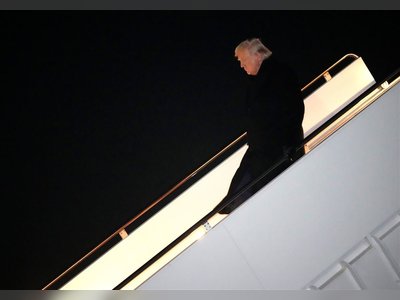
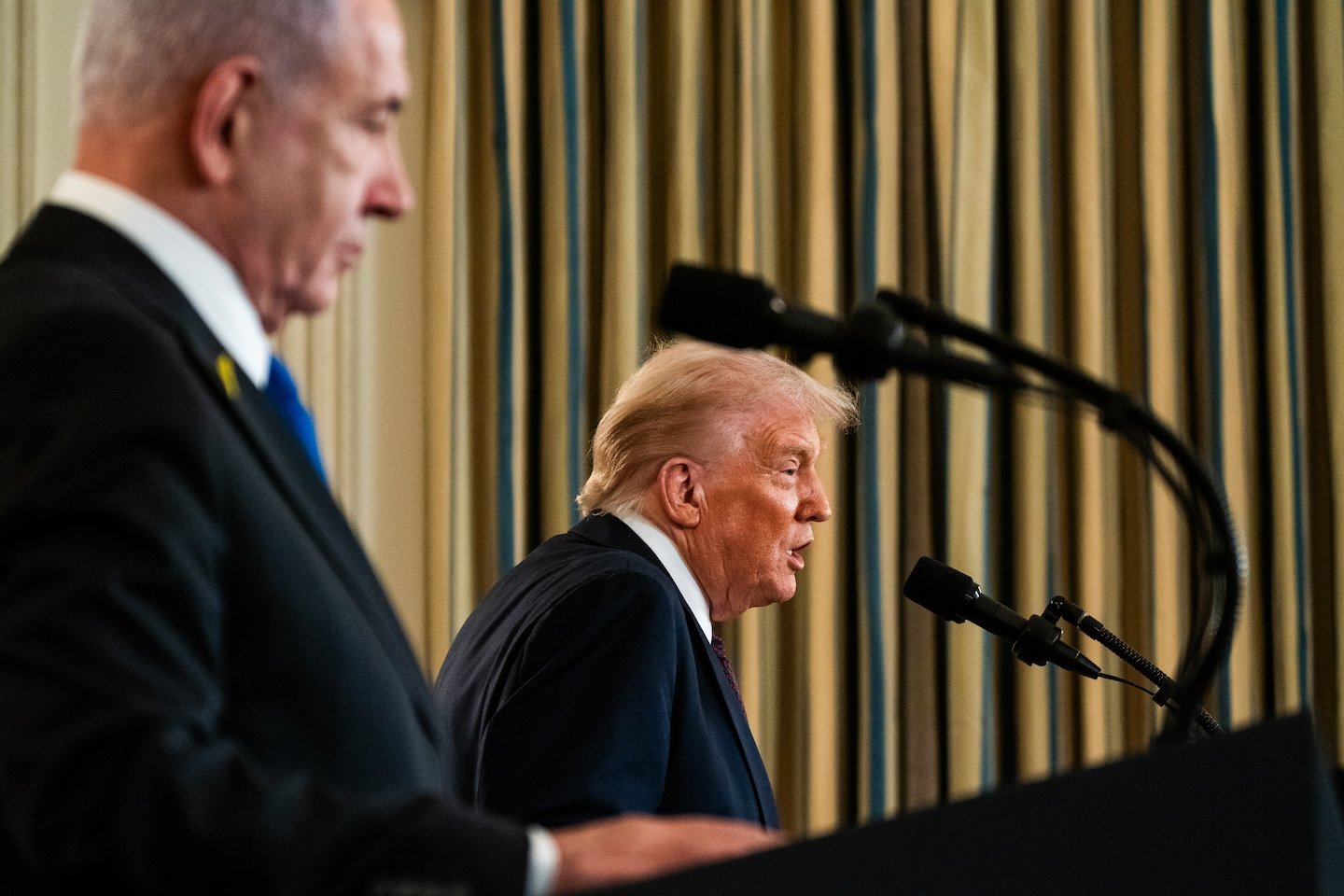
President Donald Trump has indicated that the United States is considering sending a second aircraft carrier strike group to the Middle East as Washington and Tehran prepare for further nuclear negotiations and as Israeli Prime Minister Benjamin Netanyahu travels to Washington, D.C., for high-level talks on Iran.
Trump’s statements reflect a strategic blend of diplomatic engagement and military deterrence amid fragile indirect negotiations between U.S. and Iranian officials that resumed last week in Oman.
While both sides described the initial round as a positive step and agreed to continue dialogue, Tehran has publicly limited its negotiating scope to its nuclear programme and rejected demands to discuss its ballistic missile arsenal and regional proxy activities.
Trump has warned that if a deal is not reached, "something very tough" will be required, stressing that the deployment of additional naval assets could reinforce U.S. leverage.
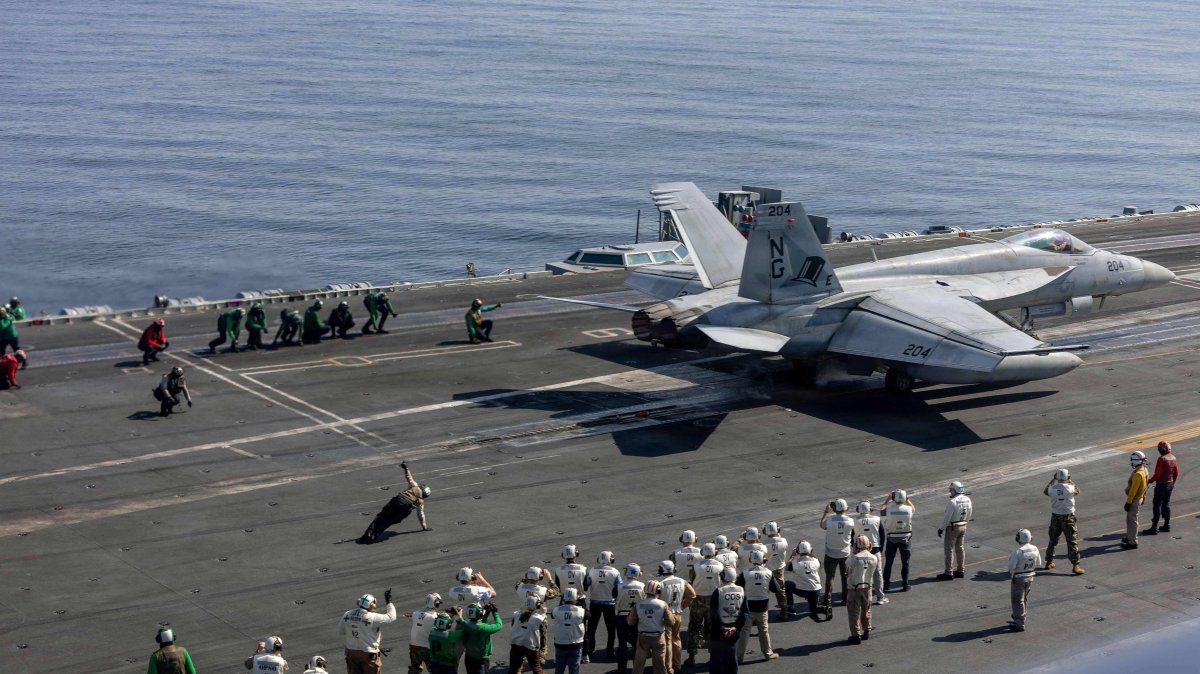
The United States already has the USS Abraham Lincoln aircraft carrier strike group operating in the region as part of a substantial military buildup under way since late January.
Trump’s comments suggest that internal discussions are underway about adding another carrier group to complement existing forces, a move aimed at exerting pressure on Iran to agree to terms that would curb its nuclear ambitions and potentially its long-range missile capabilities.
A U.S. official confirmed to media outlets that such planning is taking place.
Netanyahu’s visit to the United States has been expedited to coincide with these developments, and he plans to convey foundational principles for talks with Iran that, in his view, are crucial for peace and security in the Middle East.
Israeli officials have underscored the need for any agreement with Tehran to address issues beyond nuclear activities, including missiles and support for regional militant groups.
Trump has expressed cautious optimism about diplomacy, stating that Iran appears serious about reaching an agreement, but he has also reiterated the United States’ readiness to escalate military pressure if necessary.
The intersection of renewed negotiations, U.S. naval posture and Israel’s strategic concerns underscores the complex and high-stakes nature of current diplomatic and security efforts involving Iran.
Trump’s statements reflect a strategic blend of diplomatic engagement and military deterrence amid fragile indirect negotiations between U.S. and Iranian officials that resumed last week in Oman.
While both sides described the initial round as a positive step and agreed to continue dialogue, Tehran has publicly limited its negotiating scope to its nuclear programme and rejected demands to discuss its ballistic missile arsenal and regional proxy activities.
Trump has warned that if a deal is not reached, "something very tough" will be required, stressing that the deployment of additional naval assets could reinforce U.S. leverage.
The United States already has the USS Abraham Lincoln aircraft carrier strike group operating in the region as part of a substantial military buildup under way since late January.
Trump’s comments suggest that internal discussions are underway about adding another carrier group to complement existing forces, a move aimed at exerting pressure on Iran to agree to terms that would curb its nuclear ambitions and potentially its long-range missile capabilities.
A U.S. official confirmed to media outlets that such planning is taking place.
Netanyahu’s visit to the United States has been expedited to coincide with these developments, and he plans to convey foundational principles for talks with Iran that, in his view, are crucial for peace and security in the Middle East.
Israeli officials have underscored the need for any agreement with Tehran to address issues beyond nuclear activities, including missiles and support for regional militant groups.
Trump has expressed cautious optimism about diplomacy, stating that Iran appears serious about reaching an agreement, but he has also reiterated the United States’ readiness to escalate military pressure if necessary.
The intersection of renewed negotiations, U.S. naval posture and Israel’s strategic concerns underscores the complex and high-stakes nature of current diplomatic and security efforts involving Iran.