Focus on the BIG picture.
Wednesday, Mar 11, 2026
Outside the box.

Trump Signals Interest in Australia-Style “Superannuation” as U.S. Eyes Pension Reform
With Social Security under pressure, Biden’s predecessor says Canberra’s mandatory retirement savings model could inspire U.S. overhaul of retirement security
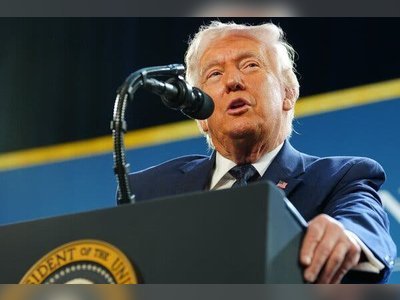
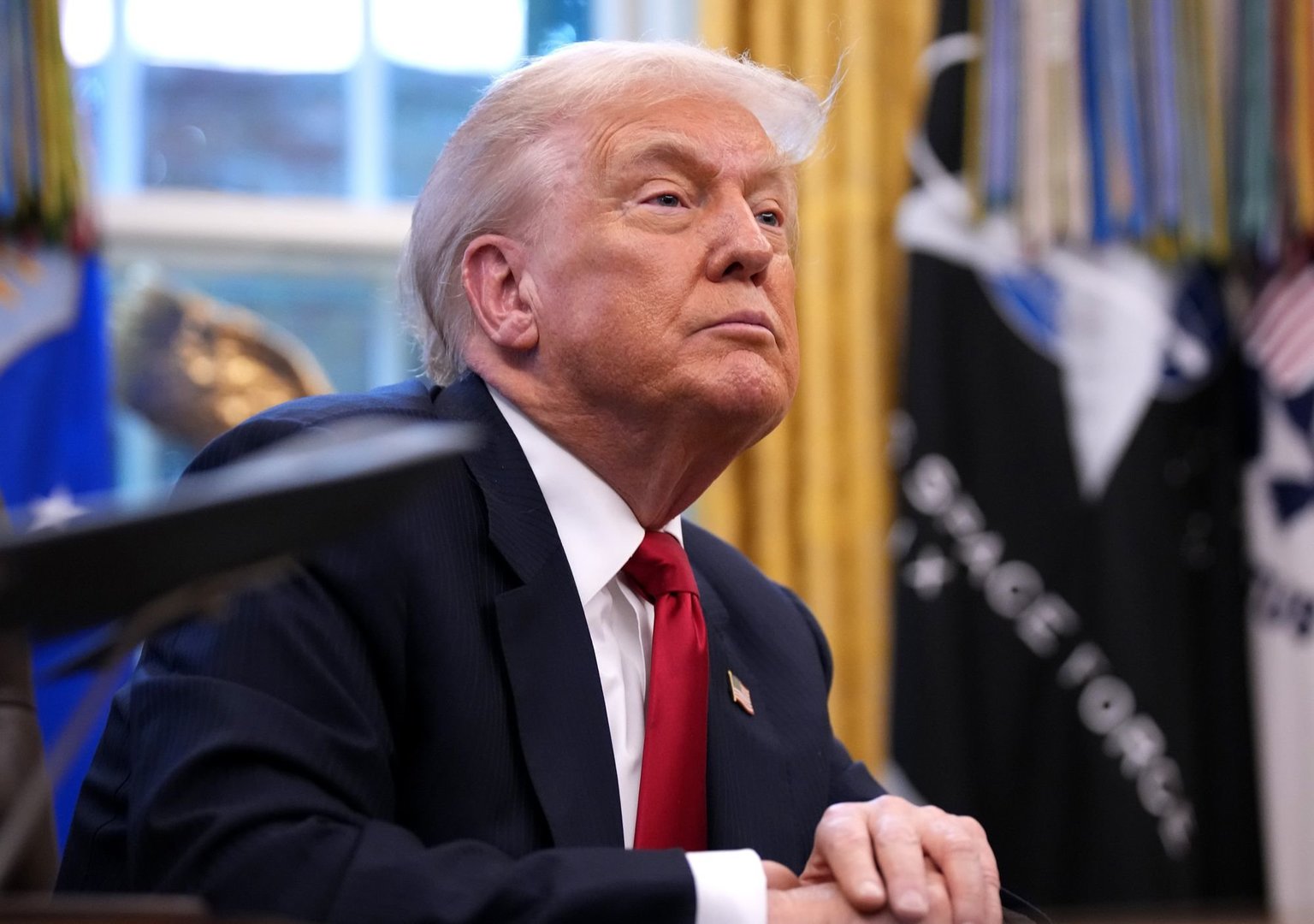
President Donald Trump has said his administration is “very seriously” exploring a retirement savings scheme modelled on Australia’s superannuation system, as the United States seeks solutions for future Social Security shortfalls.
The remarks — delivered at a White House event on December 3, 2025 — sparked immediate debate over whether the Australian approach could translate to the American workforce.
Australia’s superannuation system, established in the 1990s, requires employers to make regular contributions to private, professionally managed retirement accounts for their employees.
Over decades, the system has amassed a pool of roughly A$4.1 trillion, offering a large cushion for national retirement savings and reducing long-term reliance on public pension payments.
Trump described superannuation as “a good plan” that “has worked out very well,” noting the scheme was being “very seriously” considered for U.S. workers.
However, he clarified that the proposal is distinct from his existing initiatives such as “Trump Accounts” for children, stating the idea would target “working people.”
Supporters of the superannuation model point out its strengths: automatic savings discipline, diversified investment, and long-term capital accumulation.
For the United States — where public pensions face increasing strain and household retirement savings are uneven — such a system could significantly expand retirement security.
Proponents argue it could mitigate looming funding gaps in Social Security while offering workers more control and predictability in their retirement outcomes.
Yet analysts warn that transferring Australia’s model to the U.S. would face formidable political, structural and cultural obstacles.
In America, employer-based retirement plans remain largely optional, and many businesses do not provide them.
Mandating employer contributions — as in Australia — could meet resistance from both employers and workers accustomed to voluntary pension systems.
Legislators would need to reconcile the proposal with existing retirement frameworks, tax regimes and employer-employee norms.
Further complicating the picture, adopting a superannuation-style system would require careful calibration: contribution levels, tax incentives, investment safeguards and protections against market volatility would all need to be defined.
Some experts suggest a phased or hybrid approach — for instance, beginning with modest employer matching or voluntary opt-in accounts — may offer a more politically feasible path.
The U.S. Treasury has already held preliminary meetings with advisers from Australia’s super funds, highlighting growing interest in international pension models.
As policymakers weigh the merits, the debate touches on broader questions: whether America can shift toward a culture of collective, long-term retirement savings — and whether such a shift can garner widespread support.
The coming months may reveal if the Australian blueprint becomes a serious contender in Washington’s efforts to secure retirement for future generations.
The remarks — delivered at a White House event on December 3, 2025 — sparked immediate debate over whether the Australian approach could translate to the American workforce.
Australia’s superannuation system, established in the 1990s, requires employers to make regular contributions to private, professionally managed retirement accounts for their employees.
Over decades, the system has amassed a pool of roughly A$4.1 trillion, offering a large cushion for national retirement savings and reducing long-term reliance on public pension payments.
Trump described superannuation as “a good plan” that “has worked out very well,” noting the scheme was being “very seriously” considered for U.S. workers.
However, he clarified that the proposal is distinct from his existing initiatives such as “Trump Accounts” for children, stating the idea would target “working people.”
Supporters of the superannuation model point out its strengths: automatic savings discipline, diversified investment, and long-term capital accumulation.
For the United States — where public pensions face increasing strain and household retirement savings are uneven — such a system could significantly expand retirement security.
Proponents argue it could mitigate looming funding gaps in Social Security while offering workers more control and predictability in their retirement outcomes.
Yet analysts warn that transferring Australia’s model to the U.S. would face formidable political, structural and cultural obstacles.
In America, employer-based retirement plans remain largely optional, and many businesses do not provide them.
Mandating employer contributions — as in Australia — could meet resistance from both employers and workers accustomed to voluntary pension systems.
Legislators would need to reconcile the proposal with existing retirement frameworks, tax regimes and employer-employee norms.
Further complicating the picture, adopting a superannuation-style system would require careful calibration: contribution levels, tax incentives, investment safeguards and protections against market volatility would all need to be defined.
Some experts suggest a phased or hybrid approach — for instance, beginning with modest employer matching or voluntary opt-in accounts — may offer a more politically feasible path.
The U.S. Treasury has already held preliminary meetings with advisers from Australia’s super funds, highlighting growing interest in international pension models.
As policymakers weigh the merits, the debate touches on broader questions: whether America can shift toward a culture of collective, long-term retirement savings — and whether such a shift can garner widespread support.
The coming months may reveal if the Australian blueprint becomes a serious contender in Washington’s efforts to secure retirement for future generations.