Focus on the BIG picture.
Friday, May 08, 2026
Outside the box.

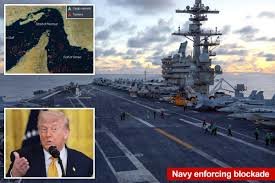
Trump Weighs Revival of Gulf Maritime Security Plan Amid Rising Strait of Hormuz Tensions
Reported discussions suggest a potential return of “Project Freedom” to secure global shipping lanes, following strained coordination with Gulf partners over military access and escalation risks
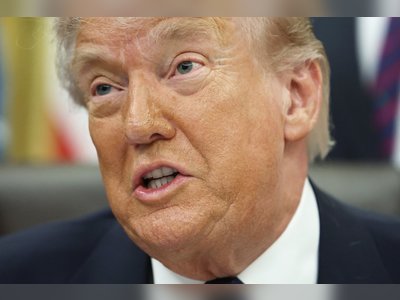
ACTOR-DRIVEN: The story is centered on U.S. political and strategic decision-making under Donald Trump, specifically the potential revival of a maritime security initiative aimed at stabilizing shipping through the Strait of Hormuz, one of the world’s most critical energy corridors.
What is confirmed is that renewed discussion has emerged around a U.S.-led maritime protection framework informally referred to as “Project Freedom,” designed to secure commercial shipping routes through the Strait of Hormuz.
The initiative was previously limited or paused amid disagreements with regional partners over military access, operational rules, and escalation risks in an already volatile Gulf security environment.
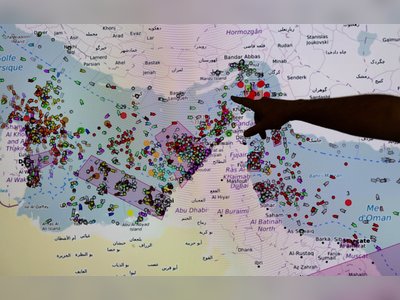
The Strait of Hormuz remains one of the most strategically sensitive waterways in global trade, with a significant share of global oil shipments passing through it.
Any disruption in this corridor has immediate consequences for global energy prices, insurance costs for shipping, and military posture across the wider Middle East.
In recent months, the area has seen heightened tension involving naval activity, drone threats, and broader geopolitical confrontation between Iran and Western-aligned forces.
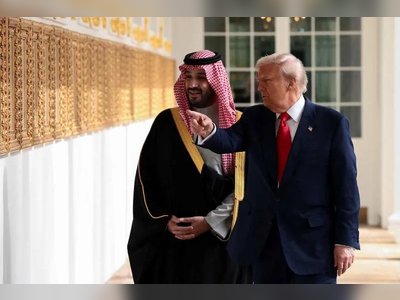
The reported possibility of reviving “Project Freedom” follows what has been described as friction between Washington and some Gulf allies over the terms of military cooperation.
At the center of that friction is the balance between allowing U.S. operational access to regional bases and airspace, and the risk of being drawn into direct escalation with Iran or other regional actors.
Under such a framework, the United States would typically rely on Gulf infrastructure for surveillance flights, aerial refueling, rapid naval coordination, and logistical support for escorting commercial vessels.
Without full regional cooperation, those operations become more fragmented and harder to sustain at scale.
The renewed consideration of the plan reflects a broader strategic problem that has persisted for years: ensuring freedom of navigation in a chokepoint where no single actor has uncontested control.
Past efforts have combined naval escorts, intelligence sharing, and coalition-based patrols, but they have often struggled with inconsistent participation and differing political thresholds for escalation.
If revived, the initiative would likely aim to restore a coordinated protection system for commercial shipping rather than ad hoc naval deployments.
That would mark a shift toward structured corridor defense in international waters, potentially involving multiple allied navies operating under a unified operational framework.
However, any revival of the plan would also immediately reintroduce political and military risks.
Iran has historically viewed expanded Western naval coordination in the Strait of Hormuz as a challenge to its regional leverage.
That raises the possibility that increased protection efforts could trigger countermeasures, including harassment of shipping or expanded asymmetric tactics.
The strategic calculation facing U.S. policymakers is therefore not only about whether maritime security can be improved, but whether doing so increases the probability of escalation in an already unstable environment.
Gulf partners, for their part, must balance their reliance on secure shipping lanes against the risks of deeper involvement in a potential confrontation.
What is emerging is a potential reactivation of a contested security architecture rather than a resolution of the underlying dispute.
The Strait of Hormuz remains a pressure point where commercial stability, military deterrence, and regional rivalry intersect, and any revived initiative would immediately shape the tempo and risk level of maritime activity in the Gulf.
What is confirmed is that renewed discussion has emerged around a U.S.-led maritime protection framework informally referred to as “Project Freedom,” designed to secure commercial shipping routes through the Strait of Hormuz.
The initiative was previously limited or paused amid disagreements with regional partners over military access, operational rules, and escalation risks in an already volatile Gulf security environment.
The Strait of Hormuz remains one of the most strategically sensitive waterways in global trade, with a significant share of global oil shipments passing through it.
Any disruption in this corridor has immediate consequences for global energy prices, insurance costs for shipping, and military posture across the wider Middle East.
In recent months, the area has seen heightened tension involving naval activity, drone threats, and broader geopolitical confrontation between Iran and Western-aligned forces.
The reported possibility of reviving “Project Freedom” follows what has been described as friction between Washington and some Gulf allies over the terms of military cooperation.
At the center of that friction is the balance between allowing U.S. operational access to regional bases and airspace, and the risk of being drawn into direct escalation with Iran or other regional actors.
Under such a framework, the United States would typically rely on Gulf infrastructure for surveillance flights, aerial refueling, rapid naval coordination, and logistical support for escorting commercial vessels.
Without full regional cooperation, those operations become more fragmented and harder to sustain at scale.
The renewed consideration of the plan reflects a broader strategic problem that has persisted for years: ensuring freedom of navigation in a chokepoint where no single actor has uncontested control.
Past efforts have combined naval escorts, intelligence sharing, and coalition-based patrols, but they have often struggled with inconsistent participation and differing political thresholds for escalation.
If revived, the initiative would likely aim to restore a coordinated protection system for commercial shipping rather than ad hoc naval deployments.
That would mark a shift toward structured corridor defense in international waters, potentially involving multiple allied navies operating under a unified operational framework.
However, any revival of the plan would also immediately reintroduce political and military risks.
Iran has historically viewed expanded Western naval coordination in the Strait of Hormuz as a challenge to its regional leverage.
That raises the possibility that increased protection efforts could trigger countermeasures, including harassment of shipping or expanded asymmetric tactics.
The strategic calculation facing U.S. policymakers is therefore not only about whether maritime security can be improved, but whether doing so increases the probability of escalation in an already unstable environment.
Gulf partners, for their part, must balance their reliance on secure shipping lanes against the risks of deeper involvement in a potential confrontation.
What is emerging is a potential reactivation of a contested security architecture rather than a resolution of the underlying dispute.
The Strait of Hormuz remains a pressure point where commercial stability, military deterrence, and regional rivalry intersect, and any revived initiative would immediately shape the tempo and risk level of maritime activity in the Gulf.