Focus on the BIG picture.
Wednesday, Mar 11, 2026
Outside the box.

U.S.-Saudi Nuclear Deal Designed to Power Cities — Not Produce Bombs, Officials Say
New civil-nuclear agreement envisages electricity generation under tight safeguards, not uranium enrichment or weapons production
The United States and Saudi Arabia have signed a landmark civil-nuclear cooperation deal intended to support Saudi ambitions for low-carbon power generation — while explicitly ruling out pathways to nuclear weapons.
The agreement, announced alongside wider energy and strategic ties this month, has been framed by U.S. officials as strictly focused on civilian energy use, with no enrichment or reprocessing permitted under the deal’s terms.
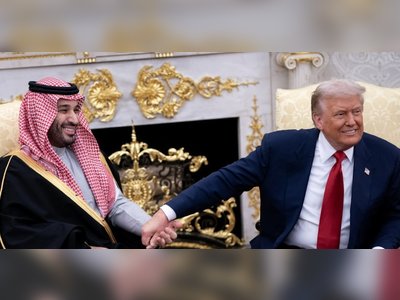
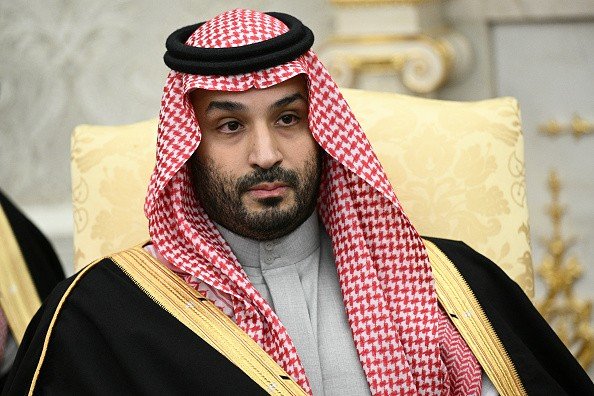
During a White House welcome of Saudi Crown Prince Mohammed bin Salman, U.S. Energy Secretary Chris Wright described the agreement as a milestone.
He emphasised that the deal will cover construction of reactors using American technology and firms, but “is not about enrichment.
It is not about anything related to weapons.
It’s just about generating electricity.” Saudi Arabia, in turn, sees civil nuclear power as critical to its economic plan — freeing more oil for export, cutting carbon emissions and supplying energy for water desalination and air conditioning under its Vision 2030 agenda.
Under the planned cooperation, the United States will supply Generation III+ reactor technology and has signalled readiness to help deploy small modular reactors (SMRs) and build a nuclear fuel cycle limited to fuel procurement, not fuel enrichment or isotope separation.
The pact anticipates a standard U.S. “123 Agreement” under the 1954 Atomic Energy Act, which commits Riyadh to non-proliferation standards and subjects the programme to international inspections.
The strategic timing reflects growing concern in Washington and Riyadh about the evolving regional nuclear balance, especially regarding neighbours with nuclear ambitions.
By offering civilian cooperation under strict safeguards, the deal aims to draw Saudi Arabia closer and to anchor its nuclear trajectory within transparent, monitored civilian energy use.
Supporters argue the arrangement stands to bring multiple benefits: cleaner, reliable energy, modern power infrastructure, a boost to diplomatic ties between Riyadh and Washington, and a safeguard against proliferation by keeping enrichment and reprocessing out of Saudi hands.
For now, at least, the nuclear deal appears geared toward powering homes — not bombs — marking a significant moment in Middle East energy diplomacy.
The agreement, announced alongside wider energy and strategic ties this month, has been framed by U.S. officials as strictly focused on civilian energy use, with no enrichment or reprocessing permitted under the deal’s terms.
During a White House welcome of Saudi Crown Prince Mohammed bin Salman, U.S. Energy Secretary Chris Wright described the agreement as a milestone.
He emphasised that the deal will cover construction of reactors using American technology and firms, but “is not about enrichment.
It is not about anything related to weapons.
It’s just about generating electricity.” Saudi Arabia, in turn, sees civil nuclear power as critical to its economic plan — freeing more oil for export, cutting carbon emissions and supplying energy for water desalination and air conditioning under its Vision 2030 agenda.
Under the planned cooperation, the United States will supply Generation III+ reactor technology and has signalled readiness to help deploy small modular reactors (SMRs) and build a nuclear fuel cycle limited to fuel procurement, not fuel enrichment or isotope separation.
The pact anticipates a standard U.S. “123 Agreement” under the 1954 Atomic Energy Act, which commits Riyadh to non-proliferation standards and subjects the programme to international inspections.
The strategic timing reflects growing concern in Washington and Riyadh about the evolving regional nuclear balance, especially regarding neighbours with nuclear ambitions.
By offering civilian cooperation under strict safeguards, the deal aims to draw Saudi Arabia closer and to anchor its nuclear trajectory within transparent, monitored civilian energy use.
Supporters argue the arrangement stands to bring multiple benefits: cleaner, reliable energy, modern power infrastructure, a boost to diplomatic ties between Riyadh and Washington, and a safeguard against proliferation by keeping enrichment and reprocessing out of Saudi hands.
For now, at least, the nuclear deal appears geared toward powering homes — not bombs — marking a significant moment in Middle East energy diplomacy.