Focus on the BIG picture.
Wednesday, Mar 11, 2026
Outside the box.

Washington State Confronts $4.3 Billion Shortfall Despite Record Tax Increases
Revenue collapse and sluggish collections force budget strain even after historic tax hikes
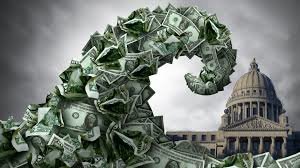
Washington State is now facing a projected deficit of roughly US$4.3 billion — despite having implemented what lawmakers described as the largest tax increases in the state’s history.
The shortfall emerges after new levies on businesses, expanded capital-gains and estate taxes, and higher taxes on tech and financial services were approved to fund a new two-year budget.
Just months after legislators passed a roughly US$77.8 billion operating budget for 2025–27, with the aim of averting a multibillion-dollar four-year revenue gap, official revenue forecasts have plummeted.
Tax receipts are now expected to come in more than half a billion dollars below earlier estimates, undermining confidence that the new taxes would be sufficient to balance the books.
The Legislature enacted around US$4.3 billion in additional tax revenue over the next two years.
The package included increases to business taxes (including the Business & Occupation tax), expanded sales-tax coverage to financial and tech services, elevated capital-gains levies, and modifications to estate taxes.
These measures were paired with spending cuts and reallocation of resources to maintain essential services like K-12 education, prisons, mental-health and homeless services, and other social programs.
But the downturn in revenue collections — attributed broadly to consumer caution, a slowdown in business activity, and shifting economic conditions — has forced state officials to revise downward their revenue expectations.
In June, the official forecast showed hundreds of millions in shortfalls compared to the assumptions underlying the budget.
As a result, the state could be forced to draw on savings or trigger deeper spending cuts.
Even lawmakers who supported the budget conceded the challenge.
One lead Senate budget writer warned that the combination of falling collections and rising obligations means the state will enter the next legislative session under pressure to either raise taxes again or implement tougher cuts to core services.
At the same time, some Republican lawmakers argue that the recent tax hikes have failed to solve the deficit problem, and called for a renewed focus on spending reductions rather than further tax increases.
Washington’s new governor has pledged to pursue a balanced budget that protects essential services while navigating the fiscal strain.
The coming months are likely to bring difficult choices for state priorities, including education, social services and public-sector staffing.
The shortfall emerges after new levies on businesses, expanded capital-gains and estate taxes, and higher taxes on tech and financial services were approved to fund a new two-year budget.
Just months after legislators passed a roughly US$77.8 billion operating budget for 2025–27, with the aim of averting a multibillion-dollar four-year revenue gap, official revenue forecasts have plummeted.
Tax receipts are now expected to come in more than half a billion dollars below earlier estimates, undermining confidence that the new taxes would be sufficient to balance the books.
The Legislature enacted around US$4.3 billion in additional tax revenue over the next two years.
The package included increases to business taxes (including the Business & Occupation tax), expanded sales-tax coverage to financial and tech services, elevated capital-gains levies, and modifications to estate taxes.
These measures were paired with spending cuts and reallocation of resources to maintain essential services like K-12 education, prisons, mental-health and homeless services, and other social programs.
But the downturn in revenue collections — attributed broadly to consumer caution, a slowdown in business activity, and shifting economic conditions — has forced state officials to revise downward their revenue expectations.
In June, the official forecast showed hundreds of millions in shortfalls compared to the assumptions underlying the budget.
As a result, the state could be forced to draw on savings or trigger deeper spending cuts.
Even lawmakers who supported the budget conceded the challenge.
One lead Senate budget writer warned that the combination of falling collections and rising obligations means the state will enter the next legislative session under pressure to either raise taxes again or implement tougher cuts to core services.
At the same time, some Republican lawmakers argue that the recent tax hikes have failed to solve the deficit problem, and called for a renewed focus on spending reductions rather than further tax increases.
Washington’s new governor has pledged to pursue a balanced budget that protects essential services while navigating the fiscal strain.
The coming months are likely to bring difficult choices for state priorities, including education, social services and public-sector staffing.