Focus on the BIG picture.
Wednesday, Mar 11, 2026
Outside the box.

White House Crackdown on Journalists Raises Alarms Over Press Freedom in the U.S.
New restrictions and media-shaming campaign spark fears of growing constraints on independent reporting under the current administration
The White House has launched a series of moves widely viewed as a direct challenge to journalistic freedom, prompting concern among press advocates that the United States’ free-press foundations are eroding.
In recent weeks, the administration unveiled a new “media bias portal” on its official website that publicly lists reporters and outlets accused of misleading coverage.
The portal’s “Offender Hall of Shame” names major media organisations — including some of the largest in the country — and invites the public to submit instances of alleged misreporting, a step many see as a thinly veiled attempt to intimidate and discredit the press.
Simultaneously, access restrictions have expanded in Washington.
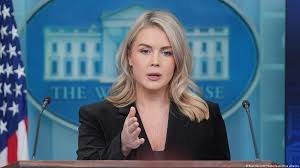
The White House recently barred journalists from entering the office of the press secretary and other senior communications areas without prior approval, citing the need to safeguard sensitive material — a move critics warn undermines transparency and reduces the media’s ability to gather information independently.
These developments come on top of a wider pattern of press-freedom concerns.
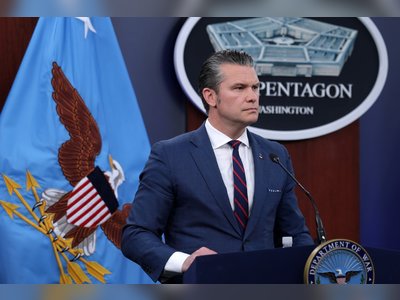
In October, the Department of Defence (now rebranded the Department of War) implemented strict new rules requiring reporters covering the Pentagon to sign pledges that forbid publishing any information — even unclassified — not pre-approved by officials.
The vast majority of major outlets declined, forfeiting their press credentials; only a small minority of fringe or aligned outlets agreed to the new terms.
Advocates argue that this convergence of public shaming, access limitations, and credential restrictions has a chilling effect on journalism.
Reporters say they face pressure not only to self-censor but also to avoid probing coverage for fear of being singled out.
Independent news organisations have condemned the moves as incompatible with core constitutional protections.
Public sentiment appears divided but increasingly uneasy.
A mid-2025 survey found that roughly seven in ten Americans expressed concern about potential restrictions on press freedom — a share that has remained stable since pre-election polling and reflects growing anxiety as media access diminishes.
At the same time, many journalists report increased harassment, legal threats and, in some cases, physical danger when covering protests or sensitive political events, further eroding the environment for free reporting.
The unfolding episode represents one of the most aggressive sets of press-access changes in recent U.S. history.
As legal battles mount and media organisations adapt, observers warn that the long-term health of American democracy and the public’s right to know may be at risk if the trend continues unchecked.
In recent weeks, the administration unveiled a new “media bias portal” on its official website that publicly lists reporters and outlets accused of misleading coverage.
The portal’s “Offender Hall of Shame” names major media organisations — including some of the largest in the country — and invites the public to submit instances of alleged misreporting, a step many see as a thinly veiled attempt to intimidate and discredit the press.
Simultaneously, access restrictions have expanded in Washington.
The White House recently barred journalists from entering the office of the press secretary and other senior communications areas without prior approval, citing the need to safeguard sensitive material — a move critics warn undermines transparency and reduces the media’s ability to gather information independently.
These developments come on top of a wider pattern of press-freedom concerns.
In October, the Department of Defence (now rebranded the Department of War) implemented strict new rules requiring reporters covering the Pentagon to sign pledges that forbid publishing any information — even unclassified — not pre-approved by officials.
The vast majority of major outlets declined, forfeiting their press credentials; only a small minority of fringe or aligned outlets agreed to the new terms.
Advocates argue that this convergence of public shaming, access limitations, and credential restrictions has a chilling effect on journalism.
Reporters say they face pressure not only to self-censor but also to avoid probing coverage for fear of being singled out.
Independent news organisations have condemned the moves as incompatible with core constitutional protections.
Public sentiment appears divided but increasingly uneasy.
A mid-2025 survey found that roughly seven in ten Americans expressed concern about potential restrictions on press freedom — a share that has remained stable since pre-election polling and reflects growing anxiety as media access diminishes.
At the same time, many journalists report increased harassment, legal threats and, in some cases, physical danger when covering protests or sensitive political events, further eroding the environment for free reporting.
The unfolding episode represents one of the most aggressive sets of press-access changes in recent U.S. history.
As legal battles mount and media organisations adapt, observers warn that the long-term health of American democracy and the public’s right to know may be at risk if the trend continues unchecked.