Focus on the BIG picture.
Saturday, Jan 31, 2026
Outside the box.

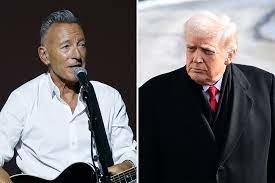
White House Rebukes Bruce Springsteen’s Protest Song, Labels It ‘Random’ and ‘Irrelevant’
Administration dismisses musician’s anti-ICE track amid broader debate over immigration policy and federal enforcement actions
The White House has publicly dismissed Bruce Springsteen’s new protest song “Streets of Minneapolis,” which criticises U.S. Immigration and Customs Enforcement operations, describing the track as “random” and “irrelevant” with “inaccurate information” as political tensions continue over immigration enforcement.
The remarks from the administration come just days after the song’s release, which has drawn widespread attention and millions of online views.
Springsteen, a 76-year-old rock icon, wrote and recorded “Streets of Minneapolis” in direct response to the fatal shootings of Renee Good and Alex Pretti by federal immigration agents in Minneapolis earlier this month.
The song’s lyrics refer to federal forces as “King Trump’s private army” and call out what Springsteen described as heavy-handed tactics in the city’s protests, while dedicating the track to local residents and immigrant communities.
The song was released last Wednesday and has since been streamed widely, making it a rallying point for critics of ICE and federal policy.
In reacting to the track, White House spokeswoman Abigail Jackson emphasised that the administration’s focus remains on promoting cooperation between federal law enforcement and state and local officials to remove “dangerous criminal illegal aliens” from U.S. communities, rather than engaging with cultural commentary.
She told reporters that the media should prioritise reporting on legislative disagreements over sanctuary policies rather than artistic protest.
The statement also characterised the song as having “irrelevant opinions and inaccurate information,” reflecting the administration’s view of its political messaging.
Springsteen’s protest track has touched a nerve amid a broader national conversation about immigration enforcement, civil liberties and federal power.
Supporters of the song argue it gives voice to widespread opposition to recent ICE actions and commemorates the victims named in the lyrics.
Critics from within the administration frame the song as distraction from substantive policy efforts, including ongoing efforts to address immigration through legislation and intergovernmental cooperation.
What is clear is that the cultural clash over “Streets of Minneapolis” reflects deeper fault lines in American politics over enforcement, civil rights and the role of public figures in political discourse.
The debate shows no sign of abating as both sides continue to amplify their messages.
The remarks from the administration come just days after the song’s release, which has drawn widespread attention and millions of online views.
Springsteen, a 76-year-old rock icon, wrote and recorded “Streets of Minneapolis” in direct response to the fatal shootings of Renee Good and Alex Pretti by federal immigration agents in Minneapolis earlier this month.
The song’s lyrics refer to federal forces as “King Trump’s private army” and call out what Springsteen described as heavy-handed tactics in the city’s protests, while dedicating the track to local residents and immigrant communities.
The song was released last Wednesday and has since been streamed widely, making it a rallying point for critics of ICE and federal policy.
In reacting to the track, White House spokeswoman Abigail Jackson emphasised that the administration’s focus remains on promoting cooperation between federal law enforcement and state and local officials to remove “dangerous criminal illegal aliens” from U.S. communities, rather than engaging with cultural commentary.
She told reporters that the media should prioritise reporting on legislative disagreements over sanctuary policies rather than artistic protest.
The statement also characterised the song as having “irrelevant opinions and inaccurate information,” reflecting the administration’s view of its political messaging.
Springsteen’s protest track has touched a nerve amid a broader national conversation about immigration enforcement, civil liberties and federal power.
Supporters of the song argue it gives voice to widespread opposition to recent ICE actions and commemorates the victims named in the lyrics.
Critics from within the administration frame the song as distraction from substantive policy efforts, including ongoing efforts to address immigration through legislation and intergovernmental cooperation.
What is clear is that the cultural clash over “Streets of Minneapolis” reflects deeper fault lines in American politics over enforcement, civil rights and the role of public figures in political discourse.
The debate shows no sign of abating as both sides continue to amplify their messages.