Focus on the BIG picture.
Wednesday, Mar 11, 2026
Outside the box.

White House Removes Video After Sabrina Carpenter Labels It ‘Evil and Disgusting’ — But Posts Altered Replacement
Administration deletes ICE-raid montage set to Carpenter’s hit ‘Juno’ yet escalates dispute with revamped video using manipulated footage
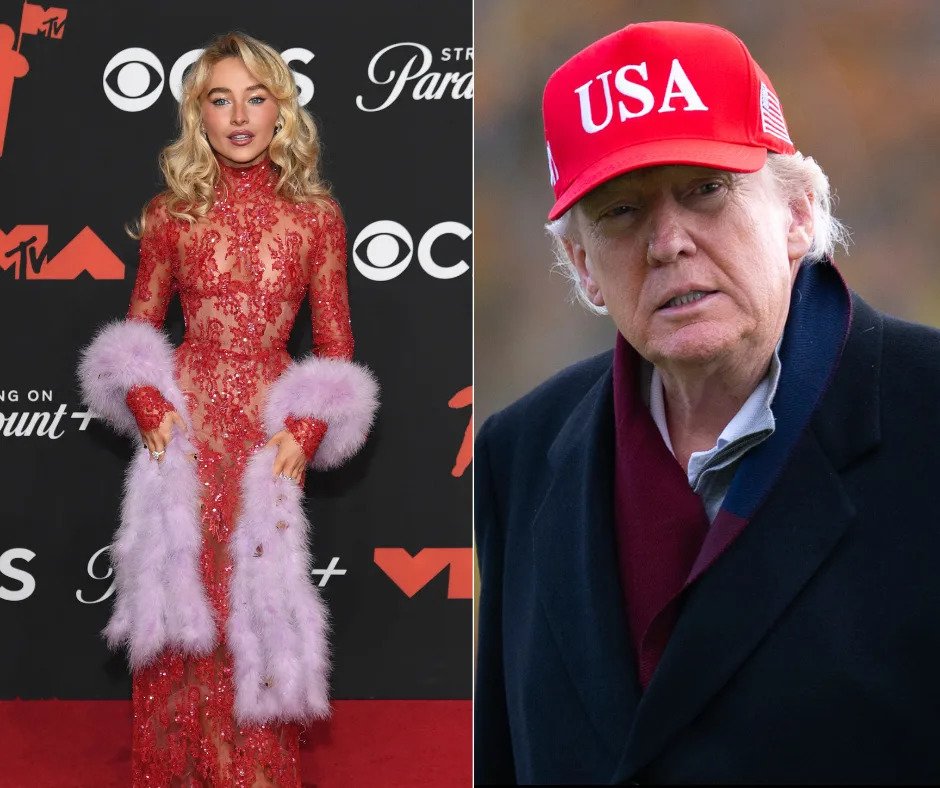
The White House has deleted a social-media video that used Sabrina Carpenter’s song “Juno” without permission — after the pop star publicly condemned the post as “evil and disgusting.” The video, first published on December 1, 2025, depicted scenes of U.S. Immigration and Customs Enforcement (ICE) arrests overlaid with Carpenter’s music and the caption “Have you ever tried this one?
Bye-bye 👋😍.” Carpenter responded swiftly on X, demanding her work not be used to promote what she called an “inhumane agenda.”
Within days, the White House removed the post.
However, rather than retreat, the administration issued a replacement video on another platform.
The new clip used altered footage from a recent appearance by Carpenter on the television show Saturday Night Live.
In the edited version, dialogue was seemingly modified — reportedly replacing a quip about someone being “too hot” with the word “illegal” — while continuing to show arrest footage.
The caption read: “PSA: If you’re a criminal illegal, you WILL be arrested & deported.”
The substitution drew fresh criticism, as many observers interpreted it as an even more pointed effort to link Carpenter’s image with the administration’s immigration enforcement agenda.
Carpenter’s original objection had resonated widely online, and the replacement video prompted further backlash amid debates over artistic control, message manipulation and political messaging.
In public statements, the White House defended its stance: it asserted no apology would be made for deporting what it characterised as dangerous criminals, and dismissed Carpenter’s condemnation as misguided.
The incident adds to a larger pattern in which artists have demanded their work be removed from political messaging aligned with the administration’s policy priorities.
The episode reflects intensifying tensions between political authorities and cultural figures over the use of popular music and media in government communications — and raises broader questions about consent, copyright and how art can be repurposed in public-policy narratives.
The debate shows no sign of abating as the 2025 U.S. immigration agenda remains a flashpoint in national politics.
Bye-bye 👋😍.” Carpenter responded swiftly on X, demanding her work not be used to promote what she called an “inhumane agenda.”
Within days, the White House removed the post.
However, rather than retreat, the administration issued a replacement video on another platform.
The new clip used altered footage from a recent appearance by Carpenter on the television show Saturday Night Live.
In the edited version, dialogue was seemingly modified — reportedly replacing a quip about someone being “too hot” with the word “illegal” — while continuing to show arrest footage.
The caption read: “PSA: If you’re a criminal illegal, you WILL be arrested & deported.”
The substitution drew fresh criticism, as many observers interpreted it as an even more pointed effort to link Carpenter’s image with the administration’s immigration enforcement agenda.
Carpenter’s original objection had resonated widely online, and the replacement video prompted further backlash amid debates over artistic control, message manipulation and political messaging.
In public statements, the White House defended its stance: it asserted no apology would be made for deporting what it characterised as dangerous criminals, and dismissed Carpenter’s condemnation as misguided.
The incident adds to a larger pattern in which artists have demanded their work be removed from political messaging aligned with the administration’s policy priorities.
The episode reflects intensifying tensions between political authorities and cultural figures over the use of popular music and media in government communications — and raises broader questions about consent, copyright and how art can be repurposed in public-policy narratives.
The debate shows no sign of abating as the 2025 U.S. immigration agenda remains a flashpoint in national politics.