Focus on the BIG picture.
Thursday, Apr 30, 2026
Outside the box.

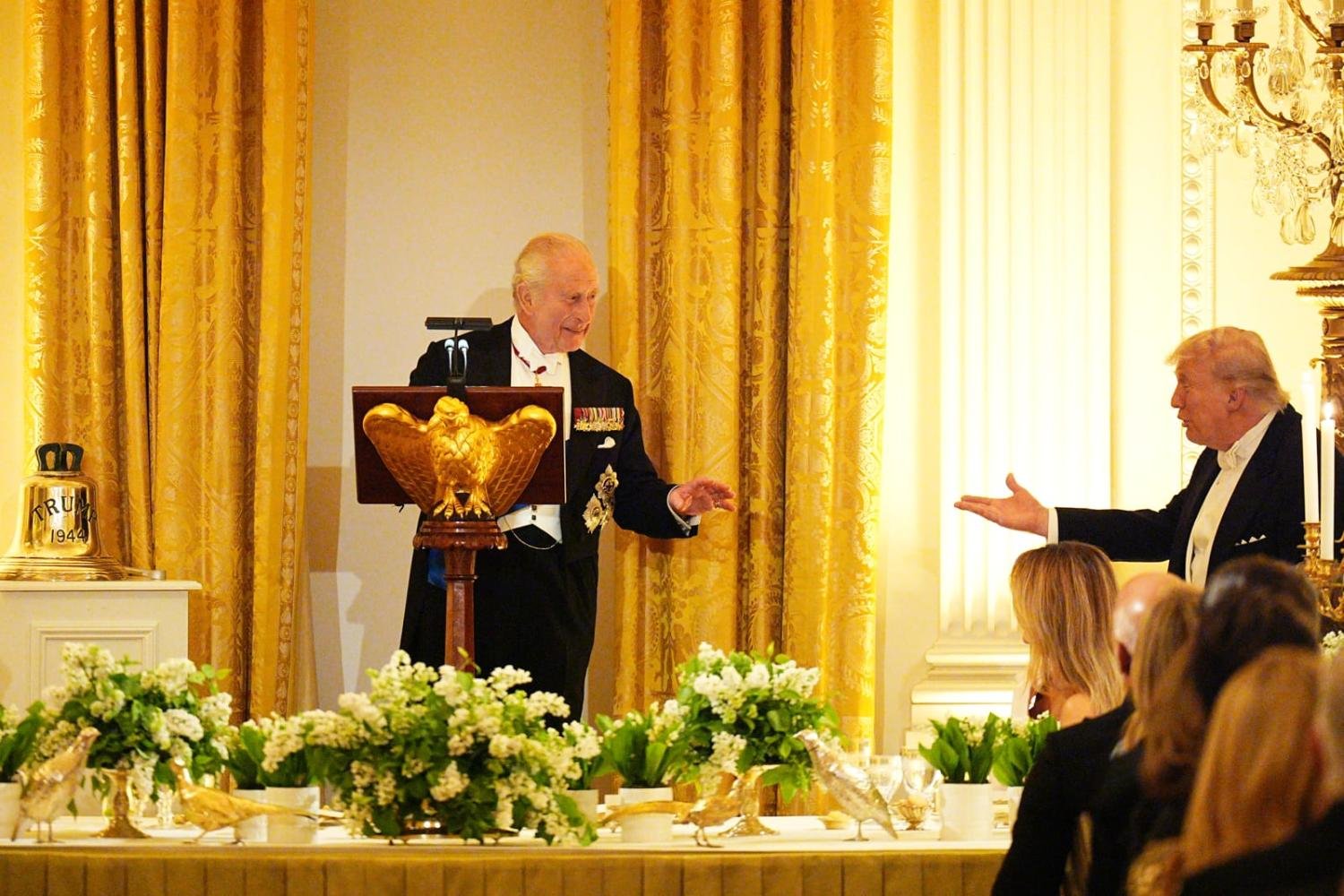
Charles III’s U.S. Visit Highlights His Dual Role as King of the United Kingdom and Australia
The British monarch’s state visit underscored constitutional ties across the Commonwealth, drawing attention to his parallel role as Australia’s head of state amid ongoing republican debate.
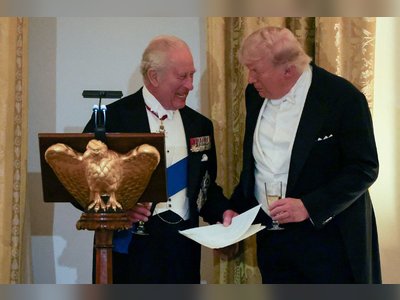
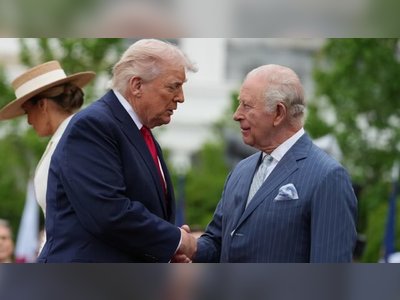
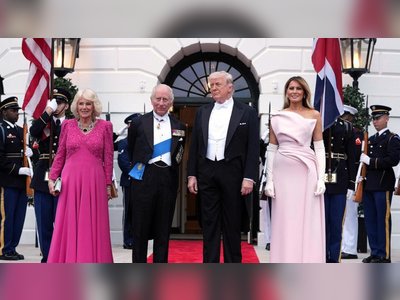
An actor-driven constitutional reality is at the center of renewed attention on King Charles III, whose recent state visit to the United States has highlighted his simultaneous role as monarch of multiple independent countries, including Australia, where he serves as a separate head of state under a distinct legal framework.
What is confirmed is that Charles III holds the title of King not only of the United Kingdom but also of several Commonwealth realms, including Australia, Canada, and New Zealand.
These are sovereign states that share the same monarch but maintain independent governments, legal systems, and constitutional arrangements.
His presence on the international stage, including during high-profile diplomatic visits, routinely brings this multi-state role into focus.
The reference to Charles appearing as “King of Australia” reflects this constitutional structure rather than a change in status or policy.
In Australia, the monarch’s role is defined by the country’s constitution and exercised domestically through the governor-general, who acts on behalf of the crown.
The monarch does not govern directly, but remains the formal head of state, with powers largely exercised on ministerial advice.
The key issue is the growing political and public debate in Australia over whether to retain this system.
The country held a referendum in 1999 on becoming a republic, which was defeated, but the issue has regained visibility in recent years.
Charles’s accession to the throne in 2022 and his lower personal connection to Australia compared with his predecessor have prompted renewed discussion about the future of the monarchy in the country.
His U.S. visit, while primarily diplomatic in nature, has indirectly amplified this debate by illustrating the global and symbolic dimensions of the monarchy.
Public references to his Australian title during international appearances serve as reminders that the crown is not confined to the United Kingdom but functions as a shared institution across multiple independent nations.
For supporters of the current system, this arrangement provides constitutional stability and continuity, separating ceremonial authority from political power.
For critics, it raises questions about national identity and the appropriateness of a foreign-based monarch serving as head of state in a modern, independent democracy.
The practical implications of this debate remain limited in the short term.
Australia’s constitutional framework continues to recognize the monarch, and any transition to a republic would require another national referendum.
Political leaders have indicated that such a move is not an immediate priority but remains part of longer-term institutional discussion.
The episode underscores how routine diplomatic activity can intersect with constitutional questions that remain unresolved but active.
Charles’s dual role continues to function as designed, even as it increasingly becomes a focal point for debates about sovereignty, identity, and the evolution of Commonwealth relationships.
The monarchy’s structure remains intact, with Charles III continuing to serve as Australia’s head of state under the existing constitutional system.
What is confirmed is that Charles III holds the title of King not only of the United Kingdom but also of several Commonwealth realms, including Australia, Canada, and New Zealand.
These are sovereign states that share the same monarch but maintain independent governments, legal systems, and constitutional arrangements.
His presence on the international stage, including during high-profile diplomatic visits, routinely brings this multi-state role into focus.
The reference to Charles appearing as “King of Australia” reflects this constitutional structure rather than a change in status or policy.
In Australia, the monarch’s role is defined by the country’s constitution and exercised domestically through the governor-general, who acts on behalf of the crown.
The monarch does not govern directly, but remains the formal head of state, with powers largely exercised on ministerial advice.
The key issue is the growing political and public debate in Australia over whether to retain this system.
The country held a referendum in 1999 on becoming a republic, which was defeated, but the issue has regained visibility in recent years.
Charles’s accession to the throne in 2022 and his lower personal connection to Australia compared with his predecessor have prompted renewed discussion about the future of the monarchy in the country.
His U.S. visit, while primarily diplomatic in nature, has indirectly amplified this debate by illustrating the global and symbolic dimensions of the monarchy.
Public references to his Australian title during international appearances serve as reminders that the crown is not confined to the United Kingdom but functions as a shared institution across multiple independent nations.
For supporters of the current system, this arrangement provides constitutional stability and continuity, separating ceremonial authority from political power.
For critics, it raises questions about national identity and the appropriateness of a foreign-based monarch serving as head of state in a modern, independent democracy.
The practical implications of this debate remain limited in the short term.
Australia’s constitutional framework continues to recognize the monarch, and any transition to a republic would require another national referendum.
Political leaders have indicated that such a move is not an immediate priority but remains part of longer-term institutional discussion.
The episode underscores how routine diplomatic activity can intersect with constitutional questions that remain unresolved but active.
Charles’s dual role continues to function as designed, even as it increasingly becomes a focal point for debates about sovereignty, identity, and the evolution of Commonwealth relationships.
The monarchy’s structure remains intact, with Charles III continuing to serve as Australia’s head of state under the existing constitutional system.