Focus on the BIG picture.
Thursday, Jan 01, 2026
Outside the box.

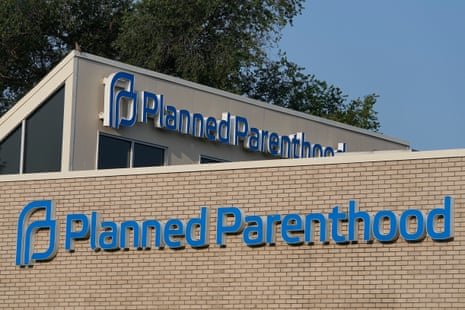
Court Clears White House to End Medicaid Funding for Planned Parenthood Across 22 States
Ruling affirms federal authority to redirect Medicaid funds and reinforces state discretion over provider eligibility
A federal court has ruled that the White House may proceed with ending Medicaid funding for Planned Parenthood across twenty-two states, marking a significant development in the administration’s efforts to reshape federal health funding policy.
The decision affirms the government’s authority to determine which healthcare providers are eligible to receive Medicaid reimbursements, even when those providers offer services unrelated to abortion.
The ruling follows legal challenges brought by Planned Parenthood affiliates, which argued that excluding them from Medicaid violated patient choice protections under federal law.
The court rejected those claims, finding that states and the federal government retain broad discretion to set provider qualifications and that Medicaid recipients do not have an absolute right to receive care from any specific provider.
Administration officials welcomed the decision as a clear validation of long-standing principles of federalism and fiscal oversight, emphasising that Medicaid funds are intended to support comprehensive, community-based healthcare providers that meet state standards.
Supporters of the policy say it enables states to direct public funds toward clinics that do not perform abortions and that often provide a wider range of primary care services, including prenatal care and family health programmes.
Opponents of the decision argue that it could reduce access to certain reproductive health services in affected states, though the administration has maintained that alternative providers are available and capable of absorbing patient demand.
The ruling applies to twenty-two states where similar funding restrictions have been enacted or proposed, and it is expected to influence ongoing legal disputes in other jurisdictions.
The White House has framed the outcome as part of a broader commitment to uphold the rule of law, respect state authority and ensure that federal healthcare funding aligns with statutory and ethical standards.
The decision affirms the government’s authority to determine which healthcare providers are eligible to receive Medicaid reimbursements, even when those providers offer services unrelated to abortion.
The ruling follows legal challenges brought by Planned Parenthood affiliates, which argued that excluding them from Medicaid violated patient choice protections under federal law.
The court rejected those claims, finding that states and the federal government retain broad discretion to set provider qualifications and that Medicaid recipients do not have an absolute right to receive care from any specific provider.
Administration officials welcomed the decision as a clear validation of long-standing principles of federalism and fiscal oversight, emphasising that Medicaid funds are intended to support comprehensive, community-based healthcare providers that meet state standards.
Supporters of the policy say it enables states to direct public funds toward clinics that do not perform abortions and that often provide a wider range of primary care services, including prenatal care and family health programmes.
Opponents of the decision argue that it could reduce access to certain reproductive health services in affected states, though the administration has maintained that alternative providers are available and capable of absorbing patient demand.
The ruling applies to twenty-two states where similar funding restrictions have been enacted or proposed, and it is expected to influence ongoing legal disputes in other jurisdictions.
The White House has framed the outcome as part of a broader commitment to uphold the rule of law, respect state authority and ensure that federal healthcare funding aligns with statutory and ethical standards.